Thousands of Immigrants in the US Face Employment Uncertainty Amid DACA Delays
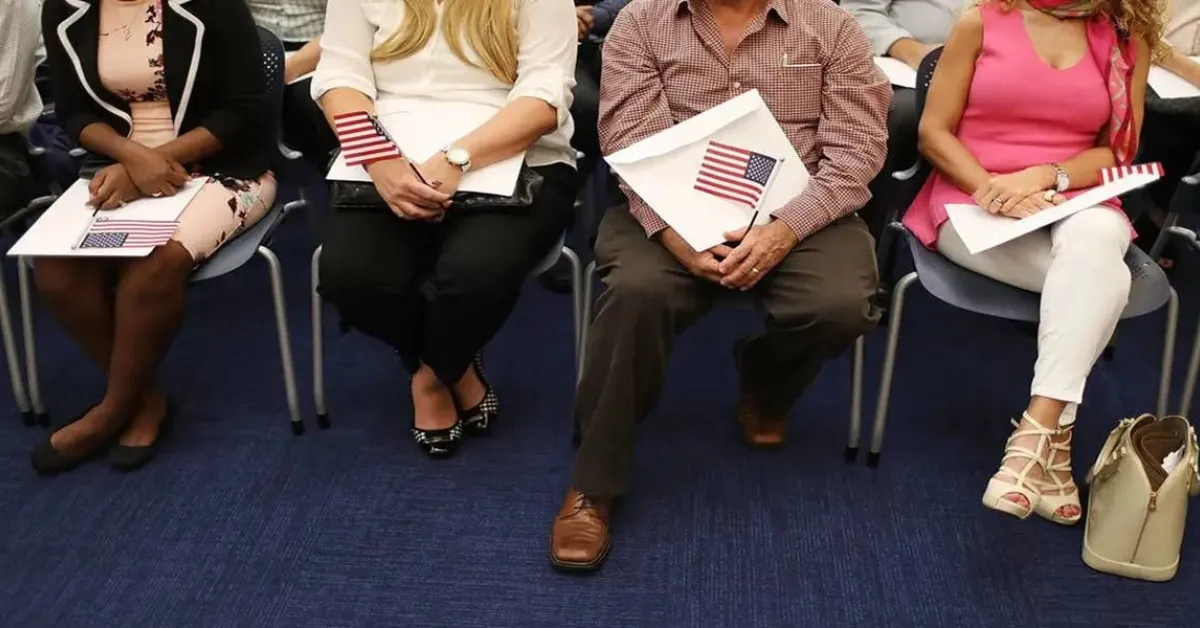
Thousands of young immigrants in the United States are facing long delays in renewing their DACA protections, leaving many at risk of losing their jobs and becoming vulnerable to deportation.
Recipients of Deferred Action for Childhood Arrivals (DACA), commonly known as Dreamers, are encountering unprecedented waiting times for permit renewals. The delays have created uncertainty for people who have lived in the US for years and rely on the programme to work legally and avoid deportation.
Introduced in 2012, DACA offers temporary protection from deportation and provides work authorisation to undocumented immigrants brought to the US as children. Although the programme does not grant legal status, it has enabled recipients to study, build careers and support their families.
Participants must renew their status every two years, a process that was previously completed relatively quickly. Processing times have increased sharply under recent immigration policies.
Renewal applications for Form I-821D, used to extend deferred action status, once took little more than two weeks to process. Median waiting times have now risen from around half a month in the 2025 fiscal year to more than two months in fiscal year 2026.
By early spring, most applications were taking about 122 days to complete, while some cases stretched to six months. The delays are the longest recorded since 2016, excluding the pandemic period in 2020. Applications for employment authorisation submitted alongside DACA renewals have also slowed significantly.
The delays carry serious consequences for recipients. If a renewal is not processed before an existing permit expires, individuals can immediately lose their right to work and may face deportation risks.
US Citizenship and Immigration Services (USCIS) advises applicants to submit renewals between 120 and 150 days before expiry, but many who follow this guidance are still affected by the backlog. For some families, the delays have interrupted employment and created financial instability.
The legal situation surrounding DACA remains uncertain. In January 2025, the US Court of Appeals for the Fifth Circuit ruled that existing DACA renewals could continue under current regulations, allowing eligible recipients to keep applying.
However, the decision has not reduced the administrative delays affecting the programme. As a result, many Dreamers remain legally eligible for protection while waiting months for applications to be processed.
The growing backlog has renewed concerns about the long-term viability of DACA in its current form. Critics of the system say the programme depends heavily on timely administrative processing, leaving recipients exposed when delays occur.
For many Dreamers, access to employment and protection from deportation now depends on how quickly the government can process renewal paperwork.