Green Card Holders Warned: Long Stays Abroad Could Lead to Loss of US Residency
Lawful permanent residents who spend more than a year outside the United States risk losing their right to return unless they secure the proper travel documents before departure.
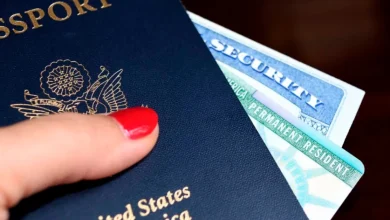
Immigration authorities say extended absences can place green card status in jeopardy and may require applicants to restart the immigration process. Green card holders are generally permitted to travel abroad without difficulty if they return within 12 months and present their Permanent Resident Card, known as Form I-551, on re-entry to the United States. Problems arise when an absence exceeds one year.
Immigration lawyers advise anyone planning a lengthy stay overseas to apply for a re-entry permit before leaving the country. The permit, requested through Form I-131, allows lawful permanent residents to remain abroad for up to two years without losing their residency status.
The application must be submitted while the individual is still in the United States. Those who leave without applying may face significant complications when attempting to return.
For people waiting for approval of permanent residency, the rules are stricter. Applicants who leave the United States without advance parole, also obtained through Form I-131, may lose their pending immigration application.
Officials warn that travelling abroad without this authorisation can result in the process being treated as abandoned. Individuals who remain outside the United States beyond the permitted period may be required to apply for a new immigrant visa to regain residency.
A limited exception exists through the Returning Resident, or SB-1, visa. This option is intended for people whose extended stay abroad resulted from circumstances outside their control, including serious illness or family emergencies.
Applicants for an SB-1 visa must show that they intended to maintain permanent residence in the United States and that their prolonged absence was unavoidable. The process includes interviews, medical examinations and payment of application fees. Approval is not guaranteed, as consular officers have broad discretion when assessing cases.
If an SB-1 application is refused, options may be limited. Some individuals may attempt to obtain a non-immigrant visa by demonstrating strong ties to their current country of residence. Others may have to begin the immigration process again from the start.
Immigration experts say the rules are designed to ensure that permanent residents maintain genuine connections to the United States. They advise green card holders planning extended travel to seek legal guidance and arrange the necessary documentation before leaving the country.