Green Card Holders Face New ‘Return Home’ Order with Exceptions
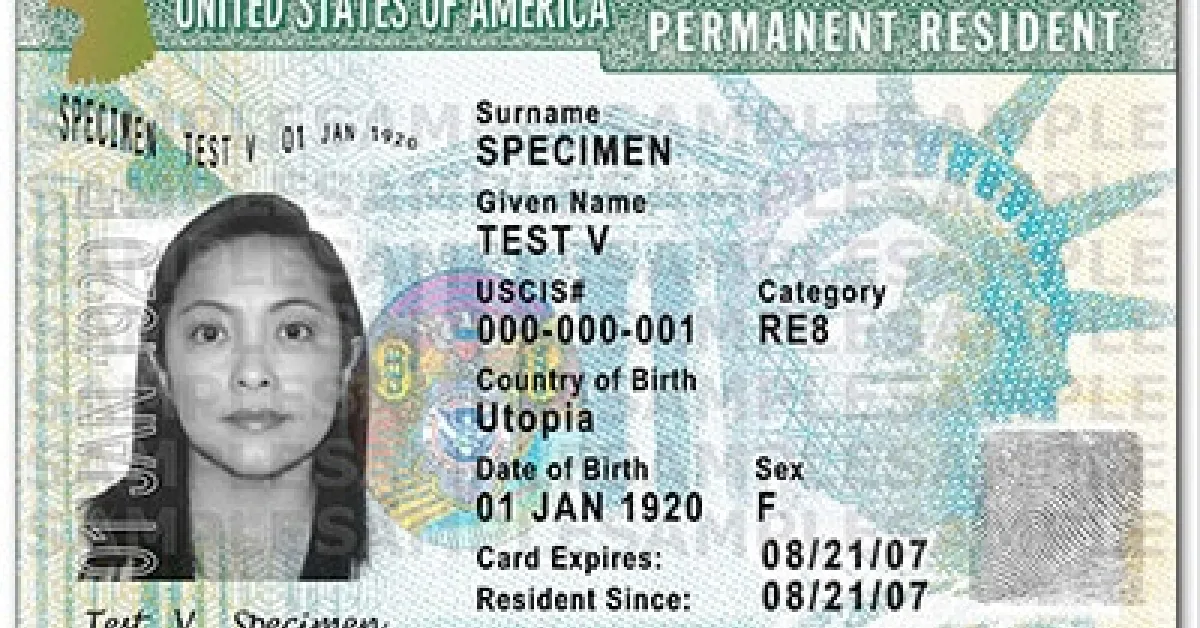
The U.S. Department of Homeland Security (DHS) has announced a new directive affecting certain green card holders, mandating them to return to their home countries. This decision, however, comes with a range of stipulations and exceptions that will not require all green card holders to comply with the order. The announcement, made public on May 31, 2026, has sparked widespread attention and concern among immigrant communities across the United States.
The directive, informally referred to as the ‘Return Home’ order, primarily targets individuals who have maintained lawful permanent residency in the United States for an extended period without establishing substantial ties to the country. The DHS has clarified that the order will apply to green card holders who have not demonstrated significant integration into American society, such as long-term residency, employment, family ties, or other community engagements.
According to DHS officials, the order is part of a broader immigration policy strategy aimed at ensuring that U.S. immigration benefits are extended to individuals who contribute positively and actively to American society. The directive is not an immediate deportation order but rather a call for affected individuals to voluntarily return to their countries of origin or demonstrate their connections to the United States to retain their residency status.
Exceptions to the rule have been outlined, which exempt certain categories of green card holders from the ‘Return Home’ order. These include individuals who are actively serving in the U.S. military, those with pending naturalization applications, and individuals who are primary caregivers or have immediate family members who are U.S. citizens. Additionally, green card holders who can provide evidence of significant community involvement or economic contribution to the U.S. will also be excluded from the mandate.
Advocacy groups have expressed concern over the potential impact of the directive on immigrant communities, emphasizing the need for clear guidelines and support mechanisms for those who may be affected. “This decision could create uncertainty and fear among green card holders who have been contributing members of society,” stated an immigration advocacy spokesperson. “We urge the DHS to provide comprehensive guidance and support to ensure that individuals understand their rights and options under the new directive.”
The DHS has assured the public that steps are being taken to ensure that the directive is implemented fairly and transparently. A spokesperson for the department indicated that affected individuals would receive notices with detailed instructions on how to proceed, including options to contest the order or provide documentation of their integration into American society.
This development follows a series of immigration policy adjustments under the current U.S. administration, which has emphasized the importance of aligning immigration practices with national security and economic interests. The ‘Return Home’ order represents a shift towards scrutinizing the residency status of long-term green card holders and ensuring that only those with substantial ties to the U.S. maintain their permanent residency status.
Immigration experts are closely monitoring the situation, noting the potential implications for immigration policy and the lives of green card holders. “This directive underscores the importance of maintaining clear, demonstrable connections to the United States,” said an immigration lawyer with expertise in residency cases. “Green card holders should be proactive in understanding how this order might affect them and seek legal advice if necessary.”
As the DHS moves forward with the implementation of the ‘Return Home’ order, it remains to be seen how the directive will be received by the broader public and what impact it will have on the country’s immigration landscape. In the meantime, green card holders are encouraged to stay informed about their rights and responsibilities as residents of the United States.