Humphrey Kariuki Ndegwa: The Quiet Billionaire Building Kenya’s Future
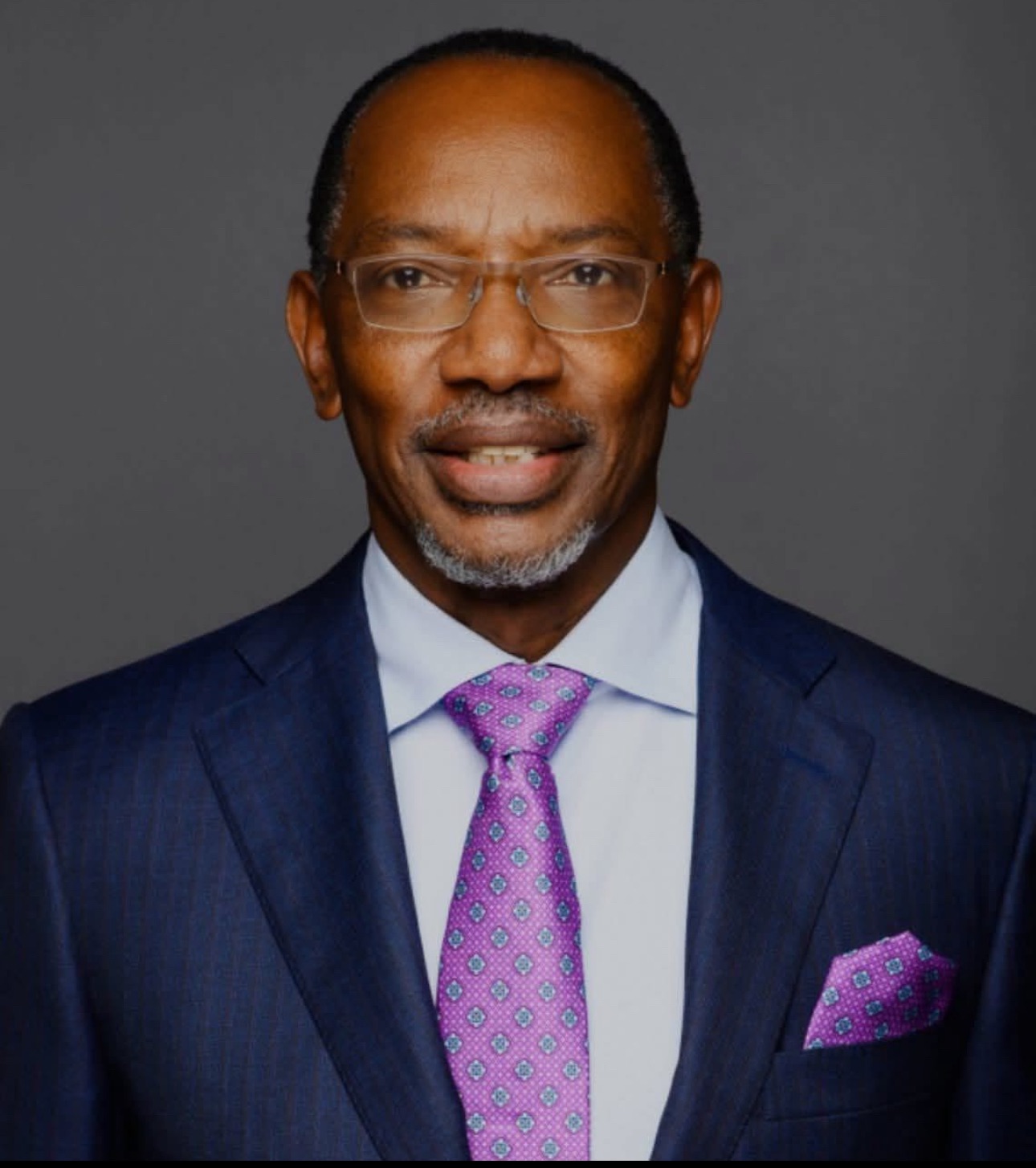
From Clerk to Kingmaker: The Rise of Humphrey Kariuki Ndegwa
Humphrey Kariuki Ndegwa is one of Kenya’s most fascinating business figures — a man often described in Kenyan media as a billionaire, yet known less for public noise than for quiet power, strategic vision and bold African enterprise.
He is the kind of man whose story sounds almost cinematic. When others complain about traffic, Humphrey Kariuki thinks in systems, solutions and scale. One of the most repeated stories about him captures the spirit of the man perfectly: faced with the frustrations of movement and distance between Nairobi and his Mount Kenya interests, he did not simply adjust his schedule — he built around the problem. His association with the iconic Fairmont Mount Kenya Safari Club, the surrounding conservancy, air access and high-level mobility has become part of the legend around him. Whether told in boardrooms, media circles or business conversations, the story paints a clear picture: this is not a man who thinks small.
Humphrey Kariuki is not merely a businessman. He is a builder.
Born on August 28, 1957, in Nyeri County in Kenya’s central highlands, Kariuki’s journey began far from the polished world of major investments, luxury hotels, energy companies and conservation estates. He grew up in a modest rural family, one of ten children, shaped by the values of discipline, humility, patience and responsibility. His father, a schoolteacher, and his mother, a homemaker, raised him in an environment where work mattered, character mattered and dreams had to be pursued with seriousness.
That foundation would become the soil from which a remarkable life would grow.
As a young man, Kariuki began his career as a clerk at the Central Bank of Kenya. It was not a glamorous beginning, but it gave him something many entrepreneurs later wish they had: discipline, financial awareness, institutional exposure and an understanding of how systems work. Yet within him was a restlessness that could not be contained by routine employment. He was not satisfied with simply watching money move through institutions. He wanted to understand how value was created, how markets were built, and how ordinary opportunities could be transformed into extraordinary enterprises.
In the early 1980s, he stepped out into business.
His first ventures were practical, risky and hands-on. He imported cars. He entered hospitality. He learned the marketplace from the ground up — not through theory, but through customers, suppliers, staff, cash flow, competition and daily pressure. Among his early ventures were well-known Nairobi establishments such as Green Corner, Twigs Restaurant and Cactus Bar. These were not just businesses; they were his classrooms. They taught him people. They taught him timing. They taught him branding, service, negotiation, resilience and the value of reputation.
From there, Humphrey Kariuki began to scale.
Through Janus Continental Group, he built and became associated with a diversified business empire spanning petroleum, energy, hospitality, real estate, beverages and conservation. His interests have been linked with major names such as Dalbit Petroleum, Great Lakes Africa Energy, The Hub Karen, Fairmont Mount Kenya Safari Club, Africa Spirits, Wines of the World, and the Mount Kenya Wildlife Conservancy.
This is not small enterprise. This is continental thinking.
In petroleum, his businesses helped move fuel across East and Southern Africa. In energy, his investments entered the world of power generation and regional development. In hospitality, he became associated with some of Kenya’s most recognisable premium destinations. In real estate, he helped shape spaces where people shop, gather, invest and experience modern urban life. In beverages and distribution, his businesses entered competitive markets that required scale, networks and bold execution.
What makes Humphrey Kariuki’s story so compelling is not only the size of what he has built, but the manner in which he has built it. He has never been known as a loud man. He does not appear desperate for attention. He does not need to be everywhere, photographed with everyone, speaking every week and announcing every move. His style is calm, private and strategic. In a world that often mistakes noise for influence, Kariuki reminds us that some people do not need to shout because their work speaks loudly enough.
He represents a rare kind of African entrepreneur: the quiet institution-builder.
His journey also challenges old narratives about Africa. For too long, Africa has been spoken of as a continent waiting for rescue, waiting for capital, waiting for expertise, waiting for permission. But men like Humphrey Kariuki tell a different story. They show that Africa is not waiting to be built by outsiders. Africa is already being built by its own sons and daughters — people with courage, capital, imagination and the patience to build across generations.
Yet perhaps the most inspiring chapter of Kariuki’s story is not found in fuel, hotels or shopping malls. It is found in conservation.
Through the Mount Kenya Wildlife Conservancy and Animal Orphanage, Kariuki has become deeply associated with the protection, breeding and restoration of the critically endangered Mountain Bongo antelope. This work reveals a powerful evolution in his life — from businessman to steward, from wealth creator to heritage protector.
There is something profound about a man who has built companies turning his attention to creation. It shows that success has matured into responsibility. It shows that legacy is not only about what you own, but what you preserve. Land matters. Wildlife matters. Forests matter. Rivers matter. Communities matter. The generations still unborn matter.
His recognition in 2025 as an IUCN Patron of Nature marked a historic moment. It was not only a personal honour; it was a continental statement. As the first African to receive that recognition, Kariuki became a symbol of African-led conservation — proof that Africans are not merely custodians of beautiful landscapes, but global leaders in protecting them.
Like every major figure who builds at scale, Humphrey Kariuki’s journey has not been without storms. He has faced scrutiny, controversy, legal battles and public questions. But greatness is rarely tested in comfort. It is tested under pressure. It is tested when headlines are difficult, when narratives are complicated, when silence is misunderstood and when resilience becomes the only language left. Through it all, he has continued to focus on enterprise, conservation, sustainability and long-term African development.
Today, Humphrey Kariuki Ndegwa stands as one of Kenya’s most intriguing examples of vision married to discipline. His life tells young entrepreneurs that it is possible to begin modestly and build greatly. It tells African investors that wealth should not only be accumulated, but deployed. It tells leaders that true influence does not always need a microphone. And it tells a continent that our future will be shaped by builders who think beyond themselves.
His story is more than a biography. It is an invitation.
An invitation to dream bigger.
An invitation to build patiently.
An invitation to solve problems instead of complaining about them.
An invitation to turn business into impact, wealth into stewardship and success into legacy.
In Humphrey Kariuki Ndegwa, we see a man who turned opportunity into enterprise, enterprise into influence and influence into responsibility. His footprints are not only found in boardrooms and balance sheets, but in fuel networks, power projects, hospitality landmarks, conserved landscapes, protected wildlife and the imagination of a generation that now knows African greatness is not a future dream.
It is already being built.