H-1B Workers Get Temporary Relief After USCIS Clarifies Green Card Rule
US immigration authorities have said that H-1B visa holders pursuing permanent residency are not expected to face immediate disruption, despite confusion caused by a proposed Trump administration rule on green card applications.
In a statement to Newsweek, USCIS spokesman Zach Kahler said the agency was “reasserting” what it considers Congress’s original intention for the Adjustment of Status process. He said applicants whose cases show economic benefit or serve the national interest are likely to continue through the existing system.
Others may instead be required to complete consular processing abroad, depending on their circumstances. The Department of Homeland Security also said highly skilled workers, including H-1B visa holders, are not expected to face immediate changes.
The debate centres on Adjustment of Status, the process that allows foreign nationals already living in the United States to apply for permanent residency without leaving the country. Applicants outside the US normally complete the process through consular processing.
The proposed Trump administration rule suggested that most immigrants should apply from abroad, creating uncertainty for workers in sectors such as technology and for families of US citizens. A USCIS memo issued on 21 May stated that Congress did not intend temporary visa categories, including students, H-1B professionals and L-1 transferees, to operate as a direct route to permanent residency.
The memo described consular processing as the standard expectation and said domestic adjustment should apply mainly in exceptional cases. While the agency recognised exemptions for dual-intent visas and some immigrant categories, it also stated that lawful status alone does not guarantee approval.
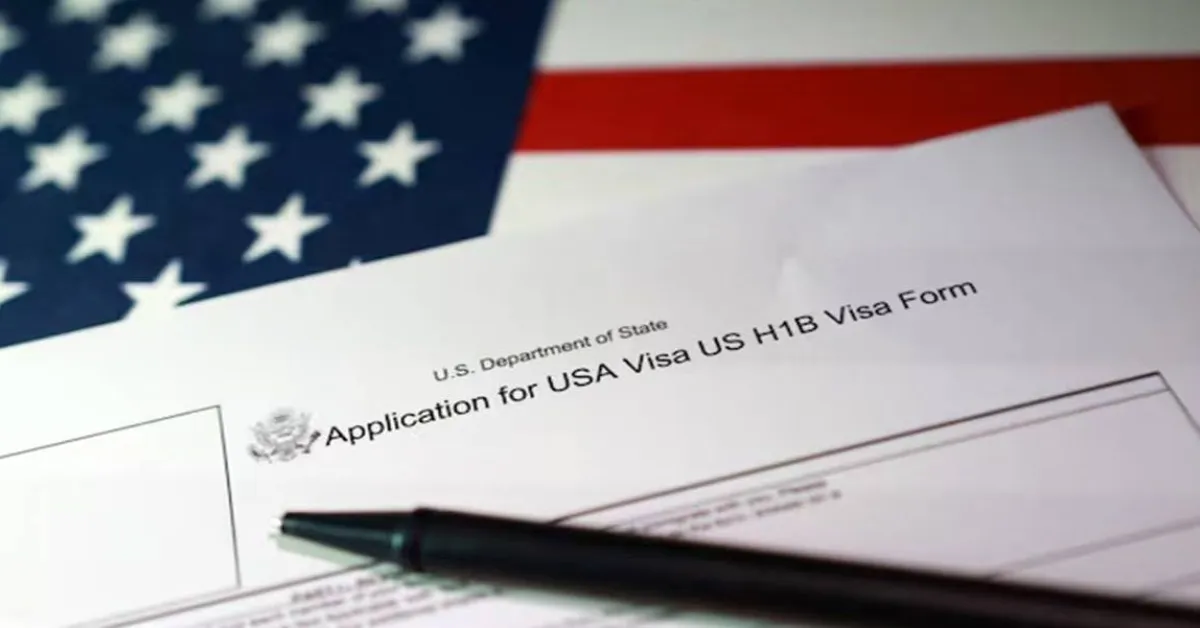
The issue is particularly important for H-1B visa holders. The programme allows an initial stay of three years, which can be extended to six years. Additional extensions are possible if the worker has an approved immigrant petition under the EB-1, EB-2 or EB-3 categories.
Employers usually file Form I-140 to sponsor permanent residency, while workers submit Form I-485 when applying through Adjustment of Status. Uncertainty remains over whether USCIS will formally make consular processing the default route.
The clarification from USCIS has provided temporary reassurance, but questions remain about how the policy will be applied in practice. Immigration officers still have discretionary authority, and the agency has not yet released detailed guidance on implementing the May memo.
The situation highlights the continuing tension between temporary work visas and pathways to permanent residency in US immigration law. Employers that rely on international workers, as well as families navigating the immigration system, continue to monitor developments closely.
Immigration lawyers have advised applicants to seek professional guidance before making decisions, as policy interpretations and outcomes can vary between cases.