USCIS Tightens Filing Rules, Warns Applicants Over Incomplete Immigration Applications
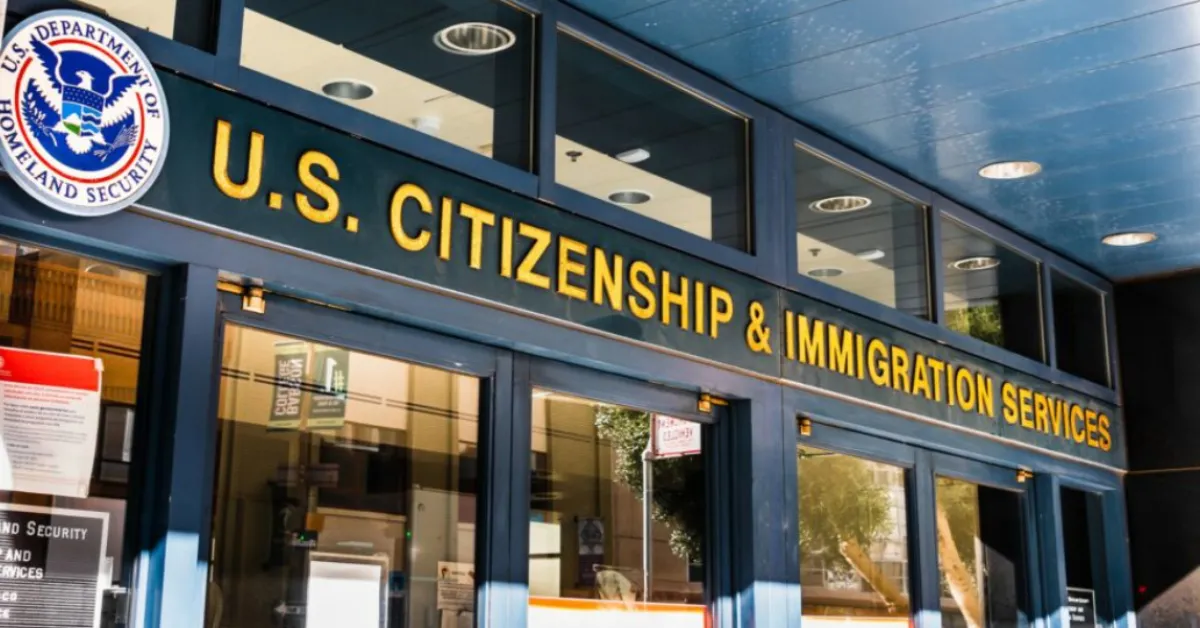
US Citizenship and Immigration Services (USCIS) has tightened its filing procedures, giving officers greater authority to reject incomplete applications without first issuing a Request for Evidence (RFE) or Notice of Intent to Deny (NOID).
The change took effect on 5 August 2026. Under the revised approach, applicants can no longer rely on the previous practice of receiving an opportunity to correct certain omissions after submitting an application. RFEs had often allowed applicants to provide missing documents or evidence before USCIS made a final decision.
USCIS says the change is intended to bring its procedures into line with Department of Homeland Security regulations and improve the efficiency of the adjudication process. The agency has argued that the previous practice encouraged some applicants to submit placeholder filings, increasing the workload for officers and contributing to delays for applications that were complete when filed.
The change means applicants must take greater care to ensure that their submissions are complete from the outset. Forms must be properly signed, the correct filing fees must be paid, and all required supporting documents must be included.
An application that is missing required information or documentation may now be rejected, requiring the applicant to begin the filing process again and pay the relevant fees a second time. Immigration lawyers have warned that the stricter procedure places a greater burden on applicants, particularly those who are unfamiliar with USCIS requirements.
Previously, an RFE could provide an opportunity to address an omission after filing. That opportunity will now be more limited. The change is particularly significant for Indian nationals, who account for a substantial share of applicants seeking employment-based visas, family petitions, adjustment of status and employment authorisation in the United States.
Applicants who had previously relied on RFEs to submit additional evidence after filing will have less scope to correct mistakes. The revised procedures could therefore increase the risk of delays and additional costs for individuals and families whose applications are rejected because of incomplete submissions. Applicants may have to file again rather than respond to an RFE and continue with their existing application.
The policy forms part of a broader move towards stricter standards in US immigration administration. USCIS has presented the measure as a return to regulatory requirements, while immigration lawyers and other critics have raised concerns about applicants being disadvantaged by technical errors rather than issues relating to their eligibility.
Applicants are now advised to review their forms, signatures, fees and supporting evidence carefully before submitting them.