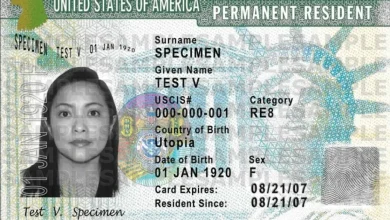
USCIS Denies 35,767 Green Card Applicants’ Work Permits as Rejection Rate Hits 44%
The regional centre programme, which uses Form I-526E, had a shorter median processing time of 13.6 months. However, its denial rate rose to approximately 24 per cent, indicating that faster processing did not necessarily translate into a greater likelihood of approval.
Some immigration categories continued to record relatively stable outcomes. Employment authorisation applications filed by asylum applicants had a denial rate of about 8 per cent, with a median processing time of less than one month. Employment-based adjustment-of-status applications also maintained a relatively low denial rate of around 7 per cent, broadly unchanged from earlier quarters.
Applicants under the Deferred Action for Childhood Arrivals (DACA) programme recorded particularly high approval volumes. USCIS approved more than 76,000 related work permit applications during the quarter, while denying only a few hundred. Approvals were substantially higher than during the first half of the fiscal year.
Backlogs nevertheless remained a major feature of the immigration system. The broad category of other Form I-765 work permit applications had nearly 1.1 million pending cases, making it one of the largest queues recorded in the data.
Family-sponsored petitions, citizenship applications and work permits linked to adjustment of status also had hundreds of thousands of unresolved cases. These backlogs can leave applicants waiting for extended periods before receiving decisions on their immigration status or permission to work.
Naturalisation applications recorded a similar increase in denials. USCIS rejected approximately 19 per cent of Form N-400 citizenship applications decided during the quarter, compared with about 13 per cent earlier in the fiscal year. More than 727,000 naturalisation cases remained pending at the end of June, with a median processing time of 9.5 months. The figures show that applicants seeking US citizenship are also facing higher denial rates alongside substantial delays.
Overall, the third-quarter figures show that denial rates increased across several important immigration categories, although the pattern varied by programme. Some pathways, including work permits for asylum applicants and DACA recipients, continued to record comparatively favourable outcomes.