Matatu Operators Threaten Nationwide Strike Over Sharp Fuel Price Hike
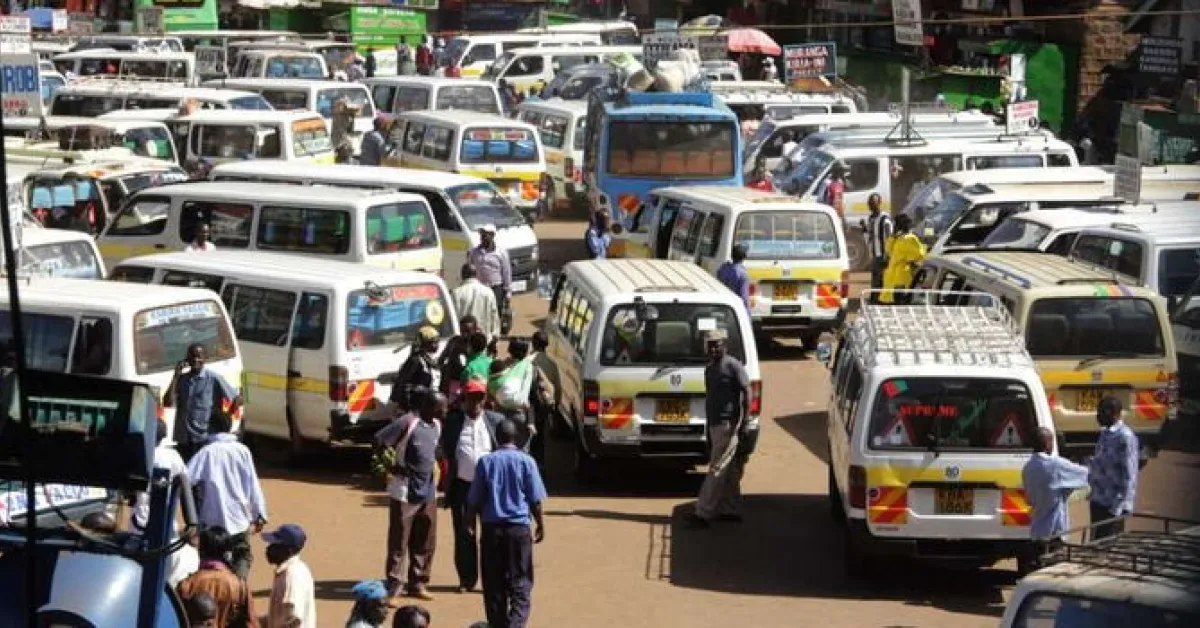
Public transport operators have threatened a nationwide matatu strike from Monday after the government announced sharp increases in fuel prices, including a steep rise in diesel costs.
The dispute followed new fuel prices released by the Energy and Petroleum Regulatory Authority (EPRA) for the period between 15 May and 14 June 2026. Diesel increased by Sh46.29 per litre, while super petrol rose by Sh16.65. In Nairobi, diesel now sells at Sh242.92 per litre and petrol at Sh214.25. Kerosene prices remain unchanged.
The Matatu Owners Association, led by chairman Albert Karakacha, said operators would also raise passenger fares by 50 per cent. The association argued that transport businesses could no longer manage the rising operating costs caused by higher fuel prices.
Karakacha said the government had repeatedly promised support to the transport sector without providing meaningful relief. He warned that roads across the country could face major disruption if authorities failed to address the industry’s concerns.
According to the association, many routes have become financially unsustainable, especially for smaller operators dealing with maintenance expenses, insurance costs and loan repayments. The planned strike adds pressure on the government, which has said it is considering measures to reduce the impact of rising fuel costs on consumers.
The latest price review comes amid increased tensions in the Middle East, particularly involving Iran, which have disrupted global oil supply chains and pushed up crude oil prices, freight charges and insurance costs. Energy Cabinet Secretary Opiyo Wandayi said the government had used about Sh5 billion from the Petroleum Development Levy fund to reduce the effect of the fuel increases.
The ministry said the subsidy programme was intended to stabilise diesel and kerosene prices while maintaining fuel supply across the country. Deputy President Kithure Kindiki repeated those assurances during a development tour in Meru County on Friday.
He said global instability had significantly increased the cost of petroleum products and added that the government was examining further measures to protect households and businesses from the economic pressure caused by higher fuel prices. Kindiki also referred to earlier government interventions, including the reduction of fuel VAT from 16 percent to 8 percent.
He said the measures reflected the government’s efforts to limit the burden on consumers and urged Kenyans to remain patient as authorities pursued longer-term economic stability. Fuel prices affect the cost of food distribution, electricity generation and manufactured goods, meaning higher transport charges are likely to increase costs across several sectors.
Analysts warn that a 50 per cent rise in matatu fares would place greater strain on low- and middle-income earners who depend on public transport for daily travel. While the government attributes the fuel increases mainly to global market pressures, operators argue that domestic taxes and regulatory costs have worsened the situation.
During his visit to Meru, Kindiki also outlined infrastructure projects in the county. He said more than Sh39 billion had been allocated for road construction and rehabilitation, while Sh1.3 billion had been set aside under the Last Mile Connectivity Programme to expand electricity access to about 16,000 households.
Other projects include affordable housing developments, market construction and plans to upgrade Meru Referral Hospital to Level Six status. At the political level, the Deputy President defended the Kenya Kwanza administration’s development record ahead of the next General Election. He said the government would campaign on completed projects rather than political statements.