Kenya Fuel Prices Surge as Petrol Rises by Ksh16.65 and Diesel by Ksh46.29
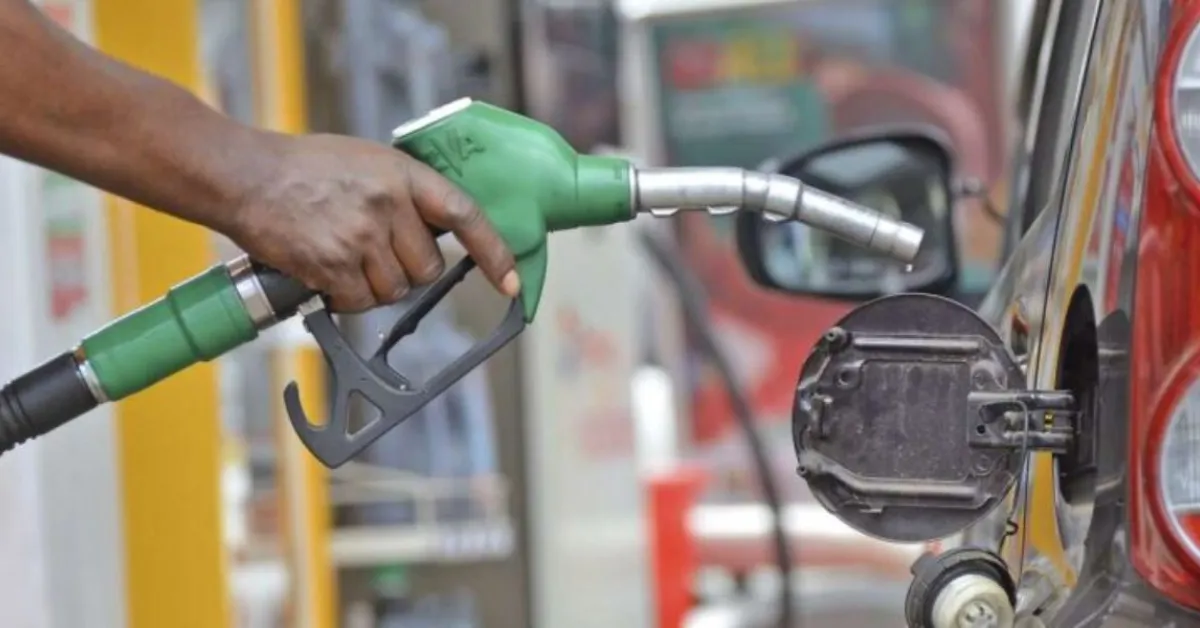
Fuel prices in Kenya have risen sharply, with petrol increasing by Ksh16.65 per litre and diesel by Ksh46.29, according to Energy and Petroleum Cabinet Secretary Opiyo Wandayi.
Kerosene prices remain unchanged following government intervention to cushion vulnerable households. Wandayi said the increases were driven by instability in global oil markets, rising freight costs and geopolitical tensions in the Middle East. He noted that Kenya’s dependence on imported petroleum products leaves the country exposed to external market pressures that directly affect local pump prices.
Government data indicates that the landed cost of super petrol increased by 10 per cent between March and April, while diesel rose by more than 20 per cent over the same period. To limit the impact, the government has allocated Ksh5 billion to the current pricing cycle to moderate increases in diesel and kerosene prices.
Wandayi also referred to earlier tax reductions on petroleum products and defended the Government-to-Government fuel import framework. He said the arrangement has helped Kenya avoid higher freight costs that could have pushed prices further up.
The increase in fuel prices has already affected the transport sector. Public Service Vehicle (PSV) operators announced an immediate 50 percent increase in fares, saying the higher fuel costs have made operations difficult to sustain. Under the new rates, a journey that previously cost Ksh100 will now cost Ksh150.
Matatu operators also announced plans for a nationwide strike beginning on Monday, warning that transport services could stop unless the government addresses their concerns. Albert Karakacha, speaking for the matatu associations, accused the authorities of failing to fulfil promises to keep fuel affordable.
He said the planned strike could disrupt transport in major towns and called on investors and motorists to support their demands for relief. The government has maintained that fuel supplies remain stable and that measures are being taken to manage the situation.
Wandayi said the ministry is holding discussions with stakeholders in the energy, transport, manufacturing and business sectors to identify long-term solutions.