Duale Names 12 Counties as Very High Risk in Ebola Preparedness Plan
Kenya has stepped up Ebola preparedness measures, expanding surveillance, laboratory capacity and border screening amid regional concerns linked to outbreaks in neighbouring Uganda.
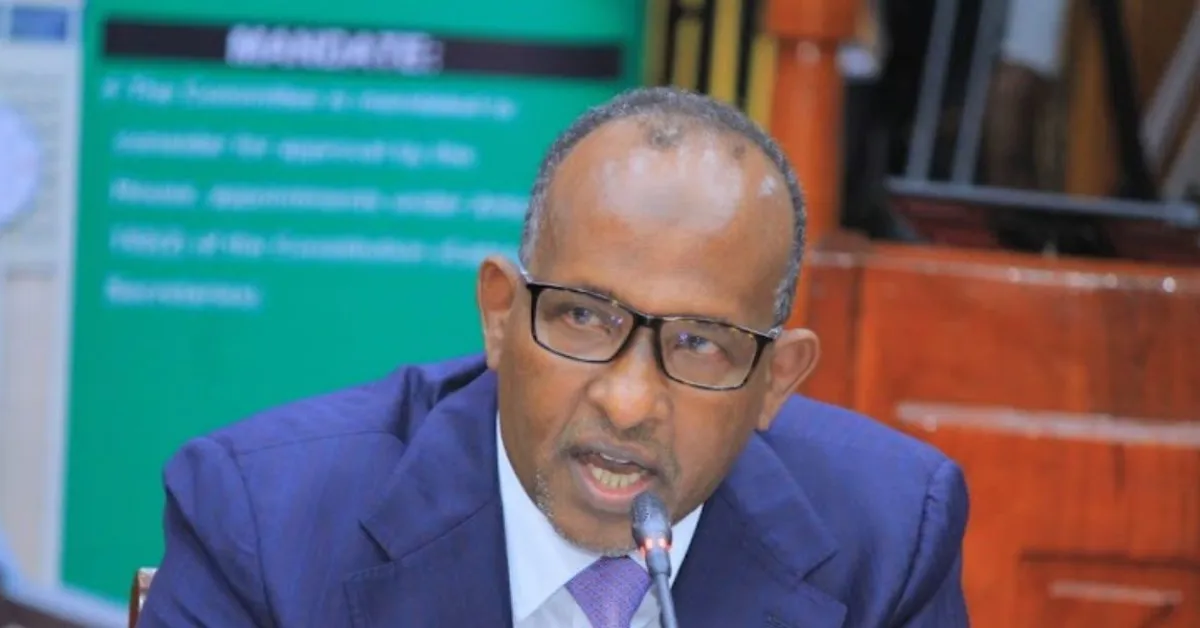
Health Cabinet Secretary Aden Duale told Parliament that 12 counties have been classified as very high risk due to their location along key transport and trade routes. These are Nairobi, Mombasa, Uasin Gishu, Busia, Kisumu, Bungoma, Trans Nzoia, West Pokot, Turkana, Homa Bay, Migori and Kisii.
A further 13 counties have been placed under heightened surveillance based on population movement and trade connections. They are Vihiga, Kakamega, Nakuru, Kericho, Nandi, Kiambu, Machakos, Kilifi, Makueni, Taita Taveta, Isiolo, Garissa and Elgeyo Marakwet.
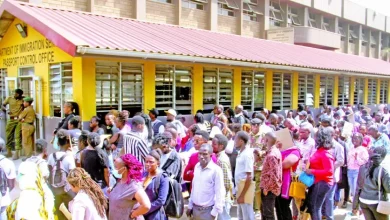
Officials said the classification reflects Kenya’s position within the Northern Corridor logistics network, where cross-border movement increases the risk of disease importation. The Ministry of Health has increased screening at points of entry, strengthened surveillance teams and reinforced emergency response systems in high-risk areas.
The government said there are currently no confirmed Ebola cases in the country. According to the Ministry, 22 suspected alerts have been investigated in several counties, including Nyeri and Nyamira, and all tests returned negative results. Recent alerts in Nairobi, Uasin Gishu and Bungoma were also ruled out after testing.
Kenya has activated its National Ebola Incident Management System to coordinate response activities, with rapid response teams on standby for deployment. Screening measures, including thermal scanning and isolation procedures, have been strengthened at airports, border posts and other high-traffic entry points.
Laboratory capacity has been expanded and is now supported by four designated facilities: the National Public Health Laboratory in Nairobi, two Kenya Medical Research Institute centres in Nairobi and Kisumu, and a mobile laboratory based in Busia. These facilities are intended to support rapid diagnosis and response if a case is confirmed.
Health facilities across the country are also increasing preparedness. Kenyatta National Hospital has allocated eight isolation beds and conducted simulation exercises, while the National Police Service Hospital has prepared 49 isolation beds. Authorities say 29 counties have designated treatment and isolation centres, although assessments are ongoing to verify readiness levels.
The measures come as Uganda continues to report Ebola cases, raising regional concern due to frequent cross-border movement of traders, transport operators and travellers. At the same time, a proposed United States-supported bio-isolation facility in Laikipia County has prompted public protests.
The US Embassy in Nairobi has said the facility is intended to support Ebola testing and isolation and does not pose a risk to surrounding communities. Officials in the United States say the project forms part of wider support for Ebola preparedness and response efforts across Africa, including funding channelled through international humanitarian systems.
Local opposition in Laikipia has centred on concerns about safety, transparency and the suitability of the site. Protests over the project have led to unrest and prompted a security response.
Authorities say the facility is intended to strengthen containment capacity and reduce pressure on local health systems by supporting isolation and testing functions.