Elizabeth Kangethe Loses Parsloes Seat After 15 Years on Barking Council
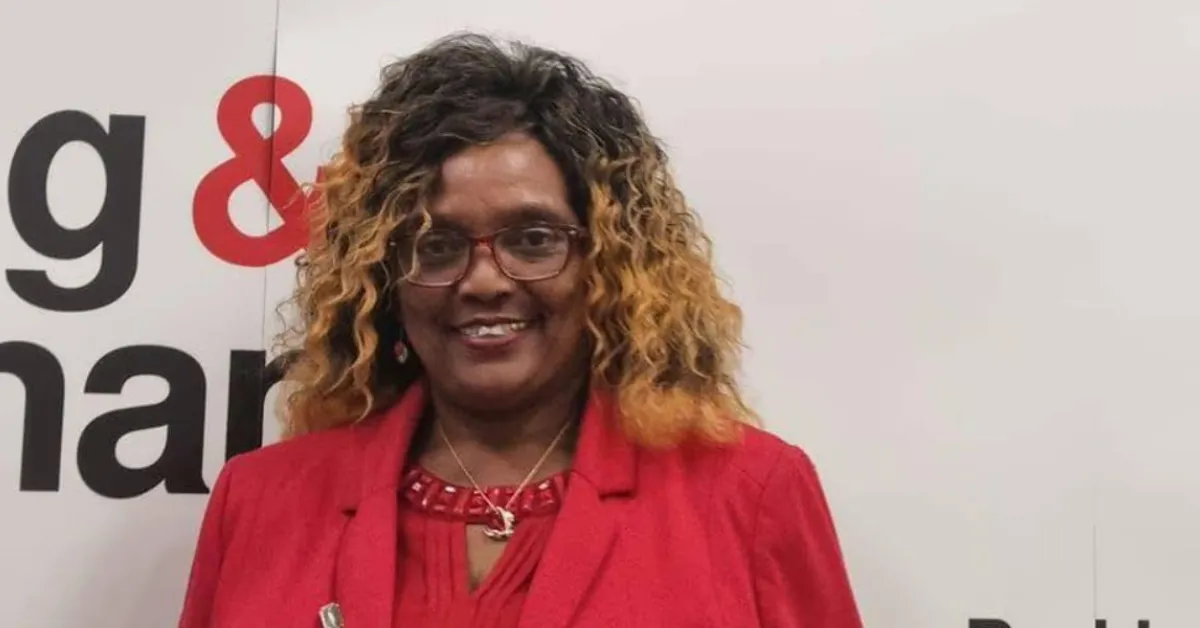
Elizabeth Kangethe, the first British politician of Kenyan origin elected to public office, has lost her seat in Parsloes ward after Reform UK won all three positions in a major upset in Barking and Dagenham Council elections.
For the first time in more than 15 years, Barking and Dagenham Council will sit without one of the most prominent figures from the Kenyan diaspora. Kangethe, who was elected in 2010, was defeated alongside Labour candidates Robert James Jones and Jeorgina da Costa Soares.
Reform UK candidates Billy Edmunds, Alexandra Arnautu and Ripon Sheikh secured the three seats, each receiving between 11 and 13 per cent of the vote. Kangethe received 945 votes, slightly more than nine per cent, placing her behind the Reform candidates in the final result.
The result reflects Reform UK’s growing support in areas traditionally held by Labour. The party has gained backing from voters concerned about economic pressures, migration and the cost of living.
Some diaspora observers also pointed to divisions among progressive voters. They argued that support for Green Party candidates reduced Labour’s share of the vote in constituencies where immigrant communities have historically played an important role.
Kangethe’s defeat marks an important moment for a politician widely regarded as a symbol of African representation in British politics. Born in Kiambu County, she built her career through work in education and community service before entering local government.
Her election in 2010 was seen as a milestone for African representation in the UK. She later served as mayor of Barking and Dagenham from 2014 to 2015, becoming a prominent figure within the Kenyan diaspora. During her time in office, she focused on education, women’s empowerment and civic participation.
The result also highlights wider challenges facing younger Kenyan-British politicians. Political observers say that representation alone is no longer enough to secure electoral success, as candidates are increasingly required to appeal to broader groups of voters.
Despite the defeat, members of the Kenyan community in Britain said Kangethe’s contribution remains significant. London-based community organiser Kiprotich said her achievements helped open opportunities for Africans seeking political office in Britain.
Kangethe has not publicly commented on the election result. Observers note that local election defeats in Britain do not always end political careers, with some councillors later returning through parliamentary contests, mayoral campaigns or advocacy work.