UEFA Says FIFA’s Balogun Ruling Threatens Integrity of the World Cup
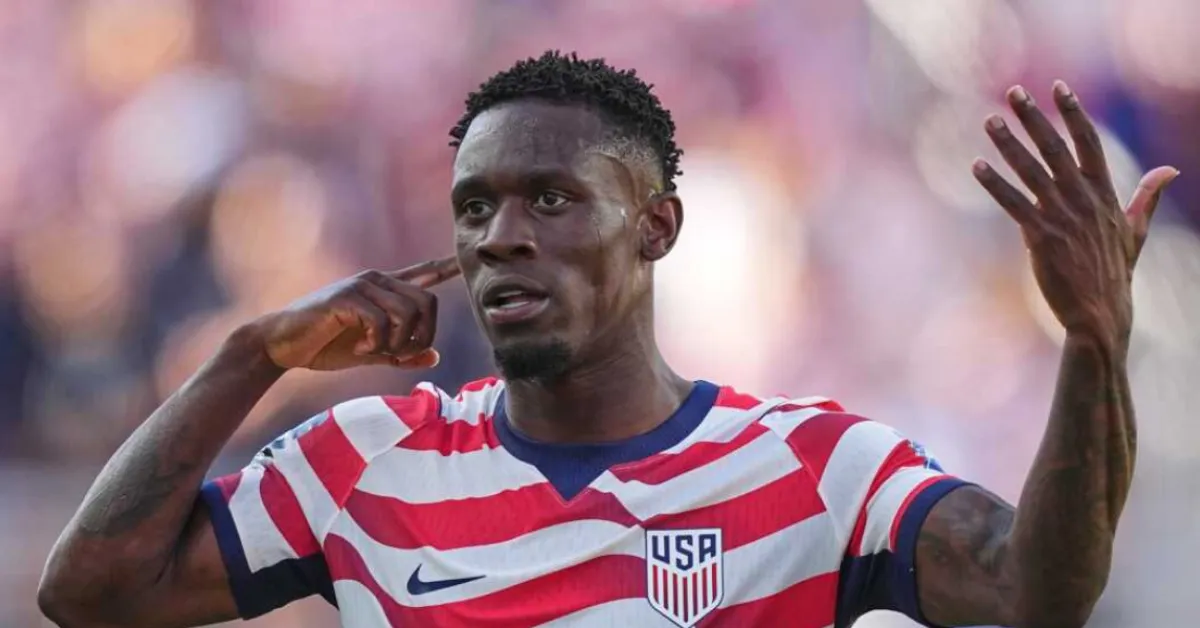
FIFA has overturned the automatic suspension given to Folarin Balogun after his red card against Bosnia and Herzegovina, allowing him to be available for the United States’ last-16 match against Belgium at the 2026 FIFA World Cup.
Under standard tournament rules, a red card results in an automatic one-match suspension. The decision to lift the ban departs from usual practice in international competitions, where such sanctions are typically applied without discretion.
UEFA criticised the move in strong terms, saying it undermines established disciplinary rules.
It argued that automatic suspensions are a core part of tournament regulation and warned that changing them during a competition risks inconsistent application of the rules. Reports have also suggested that political pressure may have influenced the decision.
The United States president is reported to have spoken directly with Gianni Infantino before the ruling. The White House has supported the outcome, while critics in football governance have raised concerns about external involvement in disciplinary matters.
The Royal Belgian Football Association has requested clarification on Balogun’s eligibility and the process behind the decision. Belgium’s foreign minister also questioned whether political influence played a role, stating that such involvement would conflict with sporting principles.
In England, manager Thomas Tuchel described the situation as unclear and raised concerns about consistency in decision-making. Separately, England defender Jarell Quansah was sent off following a VAR review in another match, adding to debate about disciplinary consistency during the tournament.
Former FIFA president Sepp Blatter said football should not be subject to political pressure, while EU sports commissioner Glenn Micallef stressed the importance of maintaining independence in sporting decisions. The case has drawn comparisons with historical incidents, including the 1962 World Cup, when Brazil’s Garrincha was involved in a disciplinary situation under earlier and less formalised regulations.
FIFA has defended its position, stating that its disciplinary framework allows for the suspension of sanctions in specific circumstances, even where standard tournament rules apply. Belgium is expected to consider further action and could escalate the matter to the Court of Arbitration for Sport if no resolution is reached.