Three Kenyans Fight Extradition to US Over $742,000 Cybercrime Case
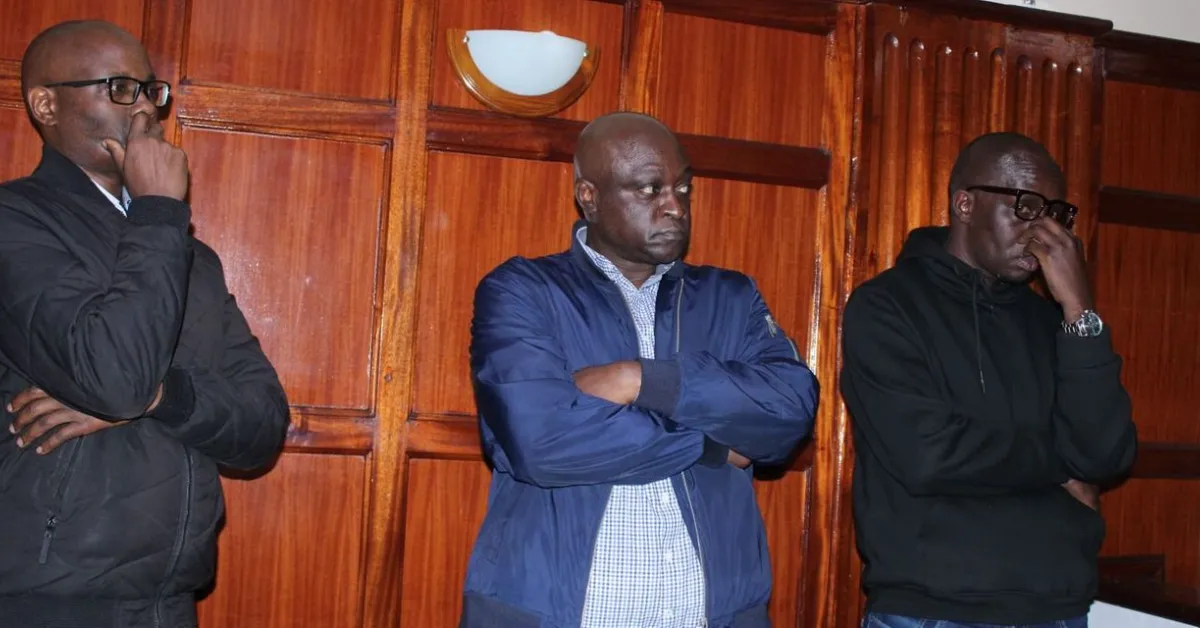
Three Kenyan men facing cybercrime charges in the United States are challenging their extradition, arguing that the legal framework being used to surrender them is not valid under Kenya’s Constitution.
Francis Mobisa Asanyo, Peter Omari and Elvis Obaigwa face charges in the US over an alleged business email compromise scheme that investigators say caused losses of more than $742,000. Asanyo was arrested in February after Interpol issued a red notice against him.
He challenged the extradition process, arguing that Kenya cannot surrender its citizens under a 1935 treaty inherited from Britain that was never formally ratified by independent Kenya. Omari and Obaigwa have also been approved for extradition by a Nairobi magistrate, but their transfer has been suspended pending an appeal.
The three men are accused of conspiring to hack computer systems, commit wire fraud and carry out aggravated identity theft. US investigators allege that they were part of a network that targeted businesses through fraudulent emails and other online methods.
The Directorate of Criminal Investigations (DCI) Financial Investigations Unit became involved after receiving a Mutual Legal Assistance request from US authorities. Justice David Mburu has dismissed Asanyo’s constitutional petition, ruling that the Office of the Director of Public Prosecutions has the authority to begin extradition proceedings. He also held that the Magistrate’s Court is the appropriate forum to determine whether the legal requirements for surrender have been met.
“The Office of the Director of Public Prosecution is an independent office distinct from the Attorney General’s office,” Justice Mburu said, highlighting the separate roles of the two offices in extradition proceedings.
US investigators allege that the suspects created internet domains designed to resemble those of legitimate institutions and used fraudulent email accounts to impersonate officials. They allegedly used the accounts to redirect payments into accounts they controlled.
According to the allegations, some of the money was moved through intermediaries in the United States before being transferred to Kenya and other countries. A federal grand jury in Virginia indicted the three men in November 2023 over an alleged conspiracy to commit computer intrusions and related offences.
The case comes as Kenyan courts continue to deal with extradition requests involving a range of serious offences, including wildlife trafficking, corruption, murder and narco-terrorism.
Among previous cases is that of Mansur Mohamed Surur, who was extradited in 2021 over allegations involving ivory trafficking and heroin distribution. In 2025, John Muriuki was transferred from Malaysia to the United States over an alleged email fraud scheme.
Kenya has also sought the extradition of suspects from other countries. Former British soldier Robert James Purkiss, who is wanted in connection with the 2012 murder of Agnes Wanjiru in Nanyuki, remains the subject of extradition proceedings in the United Kingdom.
Asanyo’s case raises questions about the use of colonial-era treaties in Kenya’s modern extradition system. Article 2(6) of the Constitution provides that treaties and conventions ratified by Kenya form part of Kenyan law.
The High Court has nevertheless upheld the current extradition proceedings. The pending appeal will now consider the constitutional questions surrounding the treaty and Kenya’s obligations to co-operate with other countries in criminal investigations and prosecutions.