Kenya Seeks Human Trafficking Status to Free Citizens Held as Prisoners of War in Ukraine
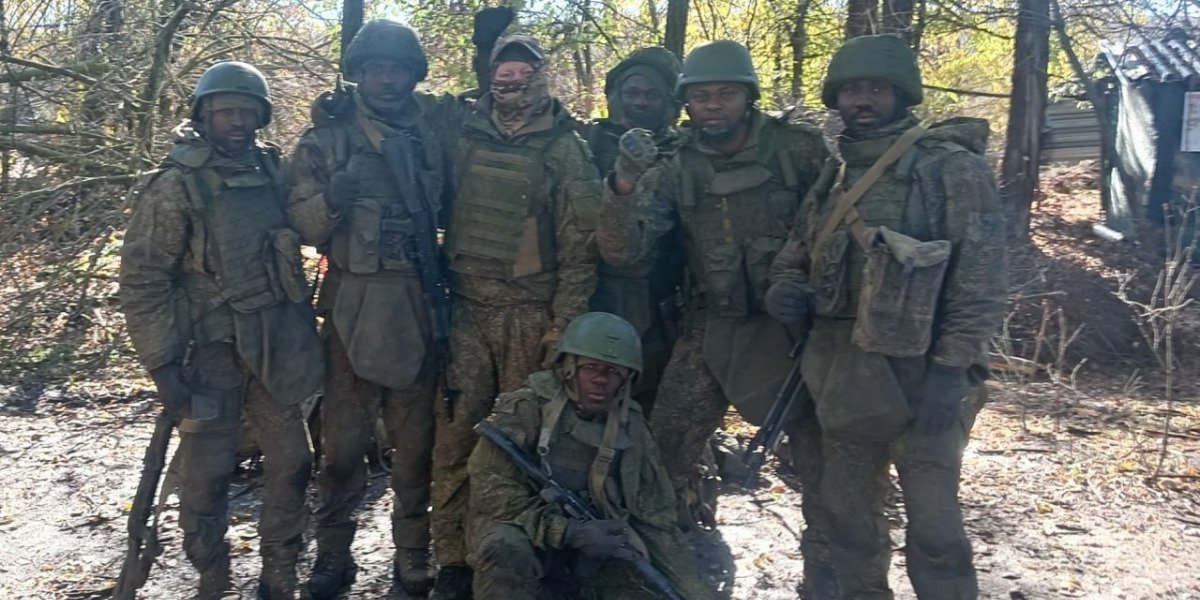
The Kenyan government is pushing to reclassify five of its citizens held as prisoners of war in Ukraine as victims of international human trafficking to accelerate their repatriation.
Prime Cabinet Secretary and Foreign Affairs Cabinet Secretary Musalia Mudavadi revealed the legal and diplomatic shift during an appearance before the National Assembly’s Departmental Committee on Defence, Intelligence and Foreign Relations.
According to a September 3, 2026 Note Verbale from the Ukrainian Embassy in Vienna, the five detained Kenyans are Evans Kibet, Willi Muniu Macharia, Haron Kibet Pachenge, Joseph, and Francis Ndarua Ndungu.
Records show Kibet has been detained since May 2025, Macharia since November 2025, Pachenge since March 2026, and Joseph since April 2026. The detention date for Ndungu was not specified in the official records.
Mudavadi explained that the men were lured to Russia under false pretences, promised civilian jobs such as drivers, security guards, or cooks before being deployed to the front lines. The youngest Kenyan held in the camps is 23 years old.
“It is proposed that, while negotiating their repatriation, consideration be given to their designation as victims of international human trafficking, with a view of revoking their Prisoners of War tag to better meet the international standard for access to assistance,” Mudavadi told lawmakers.
The proposal relies on Article 3(a) of the Palermo Protocol, an international framework ratified by Ukraine to combat human trafficking. While Ukraine has not yet agreed to the reclassification, Nairobi hopes the shift will unlock better support mechanisms.
Kenya’s Honorary Consul previously visited the men at the Zakhid 1 prisoner-of-war camp, reporting that they are held in humane conditions with access to medical services.
The plight of the five men forms part of a wider crisis involving 354 Kenyan nationals linked to the Russia-Ukraine conflict. Ministry data presented to Parliament shows that 77 Kenyans were recorded on the front lines, 38 in camps, and 52 in unknown or unclassified locations.
Another 84 Kenyans have been killed or reported missing in action, 34 remain hospitalised, and 62 have successfully returned home. The records also listed one person in detention and one whose contract had been completed.
Additionally, Ukrainian Defence Intelligence reports indicate that the remains of four deceased Kenyans are currently in Ukrainian custody: Simon Gitau, Clinton Nyapara Mogesa, Dennis Bagaka Obwori, and Eric Mwangi Nyambura. The State Department for Diaspora Affairs, led by Principal Secretary Roseline Njogu, is assisting families with next-of-kin documentation, psychosocial support, and repatriation procedures.
To speed up diplomatic interventions, Kyiv has granted Agrément—formal host-country approval—for Kenya’s ambassador, clearing a crucial hurdle before Letters of Credence are issued. Previously, the State Department coordinated through the Kenyan Embassy in Vienna, which is accredited to Ukraine.
President William Ruto has personally discussed the detainees with Ukrainian President Volodymyr Zelenskyy, complementing ongoing engagements with the International Committee of the Red Cross.
At the same time, Kenya has stepped up pressure on Moscow. During an official visit to Russia in March 2026, Mudavadi secured Kenya’s inclusion on a “Stop List,” which the embassy in Moscow confirmed has halted any new enlisting of Kenyans. Russian authorities have maintained that requests to terminate military contracts are reviewed individually by unit commanders.
The crisis extends beyond Kenya as African nations urge Ukraine to return their citizens captured while fighting for Russia. Ukraine currently holds 213 foreign prisoners of war—excluding Russians and North Koreans—37 of whom are African.
Botswana has similarly sought the return of a citizen from a Ukrainian camp, while Zimbabwe has expressed deep concern over deceptive cross-border recruitment practices where recruits are sent to active battlefronts without prior military training.
Ukrainian authorities estimate that Russia has recruited over 28,000 foreign nationals from 135 countries, resulting in more than 5,000 deaths among foreign fighters. The Kenyan government stated it will maintain communication with affected families, Russian and Ukrainian authorities, and the ICRC as diplomatic efforts continue.