Nairobi Lobbies Riyadh to End Ebola Travel Ban and Unlock 293,600 Saudi Jobs
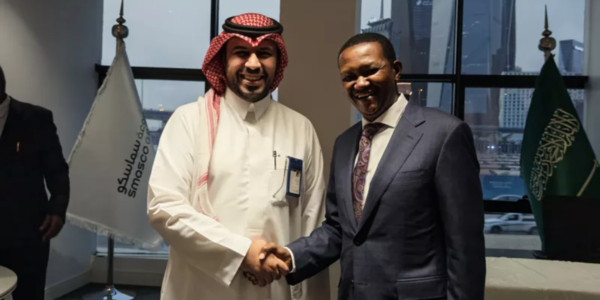
Kenya is lobbying Saudi Arabia to lift travel restrictions imposed after an isolated Ebola report, aiming to unlock 293,600 jobs promised by Saudi recruitment agencies.
Labour Cabinet Secretary Alfred Mutua raised the border closure during high-level talks in Riyadh on Thursday, November 12, 2026. He told Saudi Vice Minister for Labour Dr. Abdullah bin Nasser Abuthnain that health authorities had isolated the single case that triggered the ban and recorded no community transmission.
Mutua said Nairobi wants full market access restored quickly so Kenyans can take up the newly committed roles under the government’s Kazi Majuu overseas employment program. Kenya’s Ambassador to Saudi Arabia, Joseph Masila, and senior officials from both nations attended the meeting.
Beyond reopening borders, the talks centered on fixing long-standing pay and welfare gaps for Kenyans in the Gulf kingdom. Saudi officials agreed to explore ways to make Kenyan pay packages more competitive, though neither government announced specific new salary rates or a revised minimum wage.
Mutua confronted Saudi authorities over the treatment and working conditions of Kenyans already employed in the country. A May 2025 Amnesty International report documented widespread abuses against Kenyan workers, including unpaid wages, excessive hours, physical abuse, restricted movement, and employers confiscating passports.
The same report revealed heavy financial burdens on job seekers. While some women said agencies processed their travel documents for free, others paid between Ksh7,000 and Ksh45,000 in recruitment-related fees, and one worker reported being threatened with a Ksh300,000 penalty for withdrawing after training.
To curb such exploitation, both countries signed a technical annex on Thursday to a bilateral domestic worker recruitment deal originally signed on July 5, 2026.
“The annex provides for streamlined recruitment procedures, reduced recruitment costs and the adoption of integrated and advanced technical processes,” Mutua said. “It also seeks to ensure that recruitment and employment are conducted in accordance with approved regulations, while safeguarding the rights of both employers and domestic workers.”
The two nations also signed a letter of intent for a three-month pilot program on voluntary recruitment fees for domestic workers. Mutua urged Kenyan recruitment agencies to join the pilot, which relies on market cost competitiveness to help Kenya rival neighboring labor-sending countries and benefit from economies of scale.
While domestic work remains a major focus, Kenya is pushing to place more professionals in higher-paying sectors. Technical teams from both countries have one month to finalize a separate recruitment agreement specifically for skilled workers.
Saudi Arabia hires an average of 2.5 million foreign workers each year, and Mutua said Kenya wants a larger share of that market.
The 293,600 jobs committed by Saudi agencies span healthcare, education, construction, hospitality, transport, manufacturing, finance, oil and gas, and domestic service. Available roles include doctors, nurses, laboratory technicians, teachers, tutors, male and female drivers, heavy machinery operators, and oil and gas experts.
Agencies also pledged positions for caregivers, chefs, cooks, waiters, baristas, housekeepers, cleaners, factory staff, and finance workers. To prepare recruits for Gulf workplace standards, Mutua said both governments discussed strengthening pre-departure training and qualification programs.
“Our responsibility does not end with securing job opportunities,” Mutua said. “We must ensure that Kenyans are properly trained, adequately remunerated, treated with dignity and protected through enforceable contractual arrangements.”