Makueni and Kitui Communities Tell Thwake Dam Opponents to Stop ‘Attempts to Derail’ Sh100 Billion Project
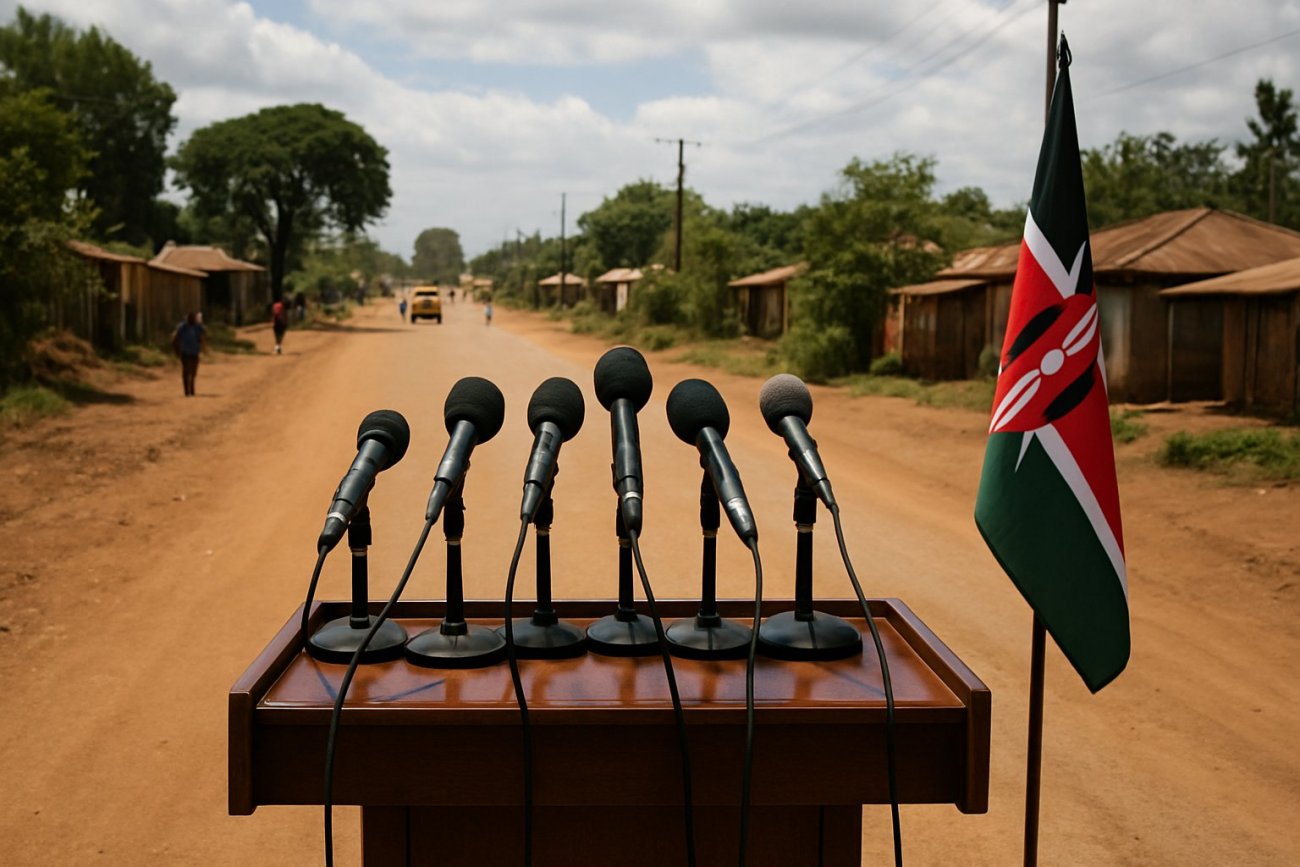
Communities in Makueni and Kitui counties have called on politicians and other individuals opposed to the construction of the Thwake Multipurpose Dam to stop what they describe as “attempts to derail” the Sh100 billion project, according to a report published on November 14, 2026 by Nairobi-based news outlet Capital
The communities described the dam as a “transformative regional development project” and demanded an end to obstruction of its construction. The appeal was aimed at politicians and other individuals opposed to the dam, though it did not single out any opponent by name. Makueni and Kitui lie southeast of the Kenyan capital and are the two host counties for the scheme.
The dam site sits at the confluence of the Thwake and Athi rivers on the boundary between Makueni and Kitui counties. The Athi, Kenya’s second-longest river after the Tana, rises in the hills south of Nairobi and empties into the Indian Ocean near Malindi, and its basin sustains farming and towns across the country’s eastern flank. The Thwake, the tributary that gives the dam its name, joins the Athi at the location chosen for the main reservoir.
The multipurpose design combines large-scale water storage with domestic supply, irrigation for agriculture and hydropower generation, and the programme has been structured in phases, beginning with the main dam and reservoir and followed by water treatment and distribution, power and irrigation components. National planning has linked the dam’s water to fast-growing urban centres in the wider region, among them the Konza Technopolis technology city. At a total cost of Sh100 billion, Thwake stands among the largest water infrastructure investments Kenya has undertaken.
The backing from the two counties carries particular weight in Ukambani, the semi-arid region that also takes in Machakos County and is home to the Kamba community. Most rivers across the region run only seasonally, farming is largely rain-fed, and recurrent drought has repeatedly exposed households and livestock herds to water shortages, conditions that have made permanent storage on the Athi system a long-standing demand in the area.
The phased rollout means the water supply, power and irrigation benefits lie beyond the main dam works, and the pace at which those later components are funded and built will determine when households, farms and towns in Makueni, Kitui and surrounding counties begin drawing on the reservoir. Hydropower remains a core part of Kenya’s electricity generation mix alongside geothermal, and the dam’s power component is intended to add to that base once the relevant phase proceeds.
The immediate questions following the communities’ intervention are whether the politicians and individuals targeted by the appeal respond publicly, whether opposition to the dam escalates or subsides, and how the Sh100 billion project features in the region’s politics ahead of Kenya’s next general election, due in August 2027 under the constitutional five-year cycle.