No Embassy, No Help: Kenya’s Diplomatic Gap Leaves Workers Trapped in Libya
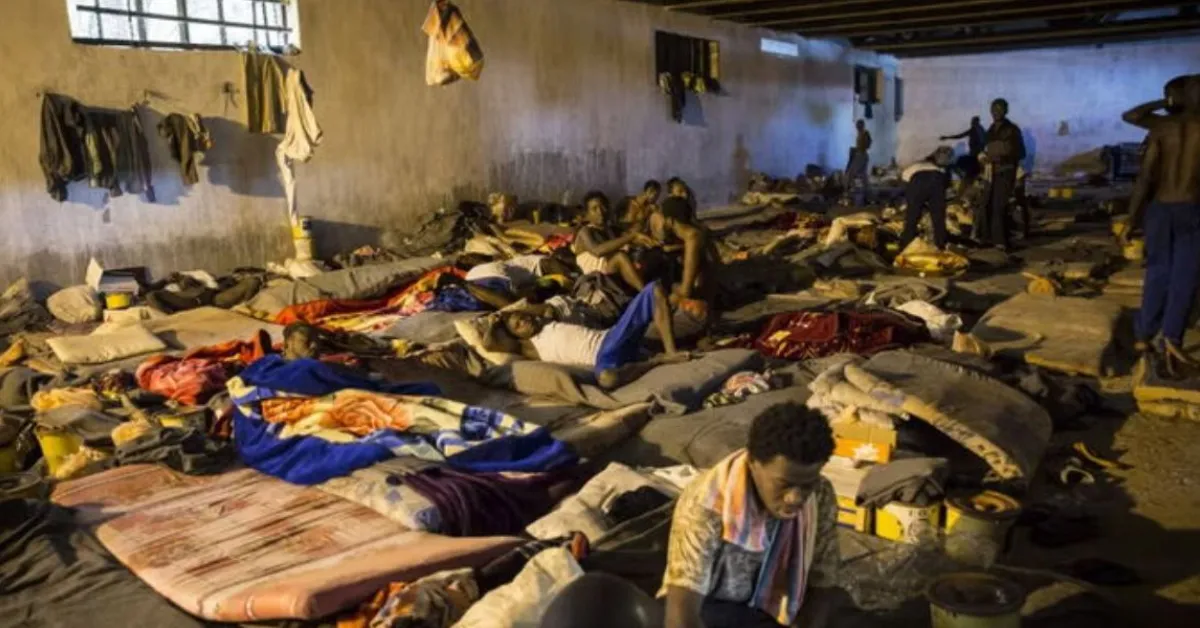
Eight Kenyan men have been detained in Benghazi, Libya, for more than six weeks after being arrested during a dispute with their employers over unpaid wages.
The men travelled to Libya late last year in search of work and were arrested on 21 March. According to fellow Kenyan worker Monica Wanjiru, the dispute began when the workers demanded salaries that had not been paid for between two and three months.
Wanjiru said communication difficulties contributed to the confrontation. The Kenyan workers could not speak Arabic, while the security guards did not understand English. Police were later called to the scene, where the men were reportedly beaten before being taken into custody.
The detainees have been identified as John Okutoi from Kakamega, Victor Gathua and Paul Njehia from Nakuru, Kenneth Wanjehia and Kevin Riguini from Nyeri, Juma Njira and James Opiyo from Mombasa, and Collins Koech from Kapsabet. They are accused of assaulting security officers.
Relatives of the detainees reject the allegations and say the men are victims of labour exploitation. Families and labour advocates are now appealing to the Kenyan government to intervene and secure their release.
The workers were reportedly recruited through employment agencies operating in Kenya, Uganda and Dubai. Families claim some agencies charged large fees for overseas job placements and later failed to support the workers after their arrest.
“We are pleading with the government to help secure the release of the detained Kenyans so they can return home and their families can have peace,” Wanjiru said.
Efforts to assist the detainees have been complicated by the absence of a Kenyan embassy in Libya. Relatives say attempts to obtain help from the Ministry of Foreign and Diaspora Affairs have produced little progress.
The Libyan Embassy in Nairobi, headed by Chargé d’Affaires Ibrahim Masoud, has not issued a public statement on the matter. Families of the detained men continue to wait for diplomatic intervention that could allow the workers to return to Kenya.