Roseline Kathure Njogu and the Push to Transform Kenya’s Diaspora Policy
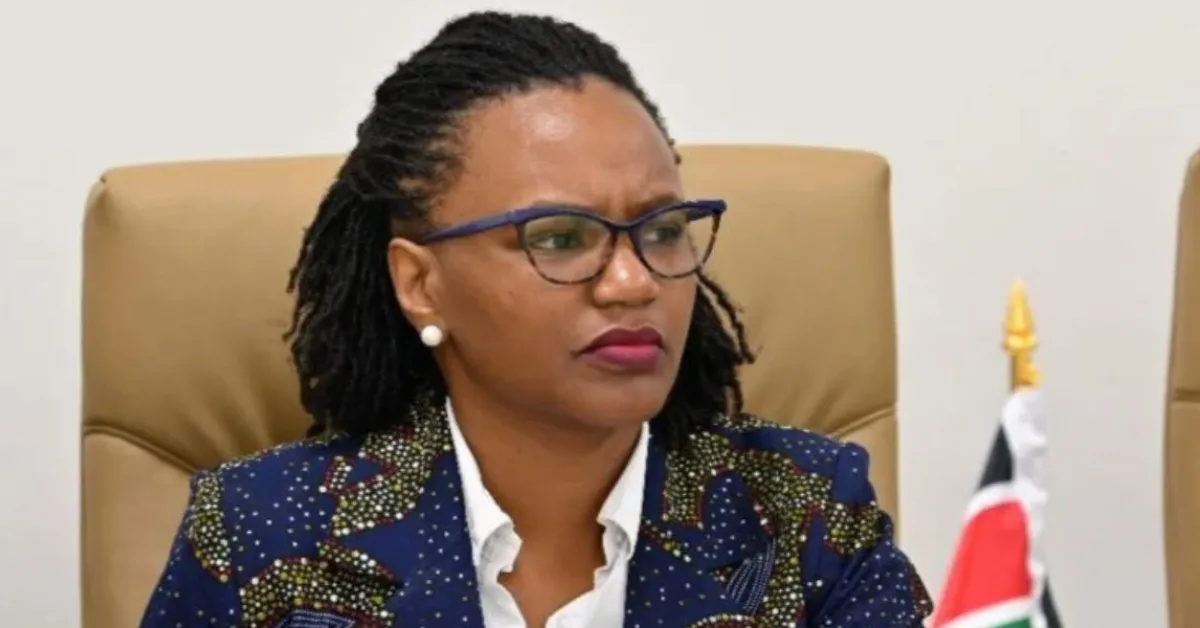
Kenya’s evolving migration story has found one of its most prominent voices in Roseline Kathure Njogu, the Principal Secretary for the State Department for Diaspora Affairs.
Her leadership is reshaping how the government engages with millions of citizens living abroad, placing diaspora policy firmly within the country’s broader development and diplomatic strategies. At the centre of her work is a recognition of the challenges faced by Kenyans overseas.
From delays in consular documentation to fragmented service delivery, Njogu has repeatedly highlighted the institutional gaps that leave many migrants vulnerable. She argues that the issue is not a lack of opportunity abroad, but rather weak linkages between government agencies and citizens overseas.
Her push for digitised systems, streamlined services, and stronger communication channels reflects a determination to make diaspora support more accessible and responsive. Njogu’s trajectory into public service is underpinned by a formidable academic and professional background.
Born in Kitale in 1984, she experienced frequent relocations during her childhood due to her father’s career in the prison service, an upbringing that exposed her to diverse social realities across Kenya. She later pursued law at the University of Nairobi, qualified as a certified public accountant at Strathmore University, and earned a Master of Laws from Harvard Law School.
This blend of legal, financial, and policy expertise has equipped her to navigate the complex intersection of migration, governance, and development. Her intellectual contributions extend beyond administration.
Njogu has written extensively on the interplay between statutory law, religious interpretation, and cultural tradition, a dynamic she describes as a “triple bind” that often constrains women’s autonomy despite constitutional guarantees of equality. Her engagement with feminist legal theory, particularly concepts such as the “wifehood of power,” situates marriage and family structures within broader socio-legal debates about authority and identity.
These insights inform her policy approach, ensuring that Kenya’s migration agenda is not only about economics but also about rights and social justice. In her current role, Njogu’s scholarship translates into practical measures. She has been instrumental in strengthening protection mechanisms for Kenyan migrant workers, particularly in sectors where exploitation is common, such as domestic and care work.
Her office has advanced bilateral labour agreements and improved coordination between Kenyan missions abroad and host-country institutions, aiming to safeguard workers while expanding opportunities for legal and structured migration. Her appointment to the senior ranks of government underscores the confidence placed in her leadership.
While official communications often emphasise institutional achievements rather than individual acclaim, Njogu’s presence at the helm of diaspora affairs signals a recognition of her expertise and vision. She is frequently engaged in high-level discussions on migration governance, diaspora investment, and international labour cooperation, positioning Kenya as an active participant in global mobility debates.