New Zealand Announces Major Skilled Migrant Visa Reforms from August 2026
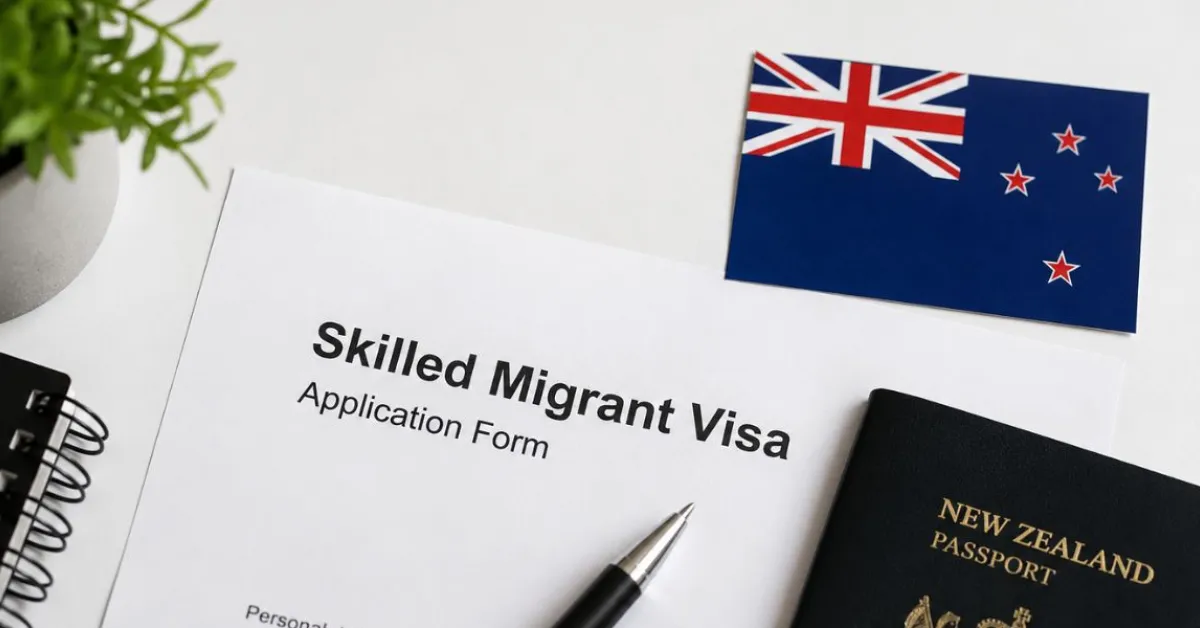
New Zealand has confirmed a wide-ranging overhaul of its skilled migration system, with new rules covering residence pathways, wage thresholds, qualifications and work experience set to take effect on 24 August 2026.
The reforms centre on the Skilled Migrant Category (SMC), the country’s main residence pathway for skilled foreign workers. Under the new framework, migrants will no longer be affected by increases in wage thresholds while they are gaining the skilled work experience required for residence.
Instead, the wage threshold in place when they begin qualifying employment will remain valid throughout the period in which they are building eligibility. A five-month grace period has also been introduced.
This will allow migrants to retain the wage threshold that applied when their work visa was approved, providing greater certainty for those planning long-term migration pathways. The same approach will apply to other residence routes, including the Work to Residence Visa and specialised pathways for care and transport workers.
By keeping wage requirements stable across these categories, the government aims to provide greater predictability for applicants while continuing to attract skilled workers. Immigration New Zealand has also strengthened requirements for academic qualifications.
Applicants claiming points for postgraduate study must now provide evidence of both their postgraduate qualification and the bachelor’s degree on which it was based, unless the postgraduate qualification was obtained in New Zealand.
For Kenyan applicants and other overseas graduates, the International Qualification Assessment (IQA) will remain an important part of the qualification verification process.
Under the revised points system, bachelor’s degrees and internationally accredited engineering qualifications will receive greater recognition, which may benefit many engineering professionals. The changes also affect tradespeople and technicians. Applicants using the newly defined pathway must hold a Level 4 qualification or higher that is recognised within New Zealand’s qualifications framework.
New Zealand qualifications must meet a minimum requirement of 120 credits, although credits may be accumulated through related programmes. Overseas qualifications will not be subject to the credit requirement but must undergo IQA assessment.
Work experience requirements have been tightened. Self-employment will no longer be accepted as directly relevant skilled work experience because of challenges associated with verifying independent work histories. Applicants who have worked as freelancers or business owners may therefore need formal employment experience to meet residence requirements.
The government has also strengthened checks on job offers used in residence applications. Employers will be required to show that positions are genuine, ongoing and based in New Zealand.