U.S. Resumes Critical Health Aid to Global Programs, Signaling Policy Shift
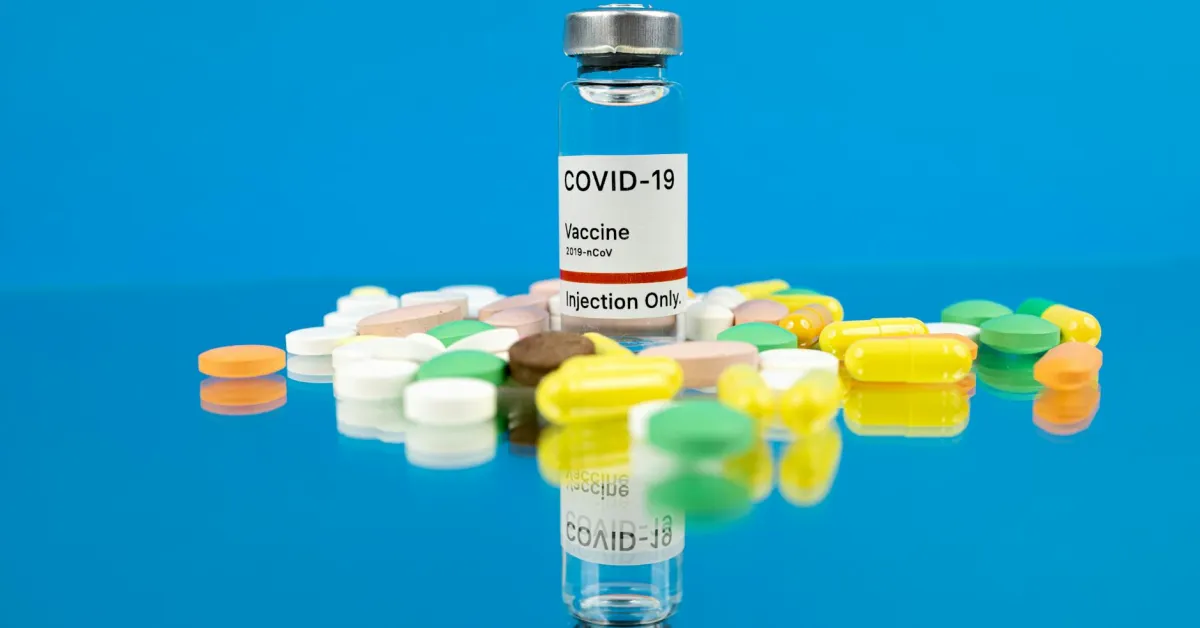
The United States has resumed financial contributions to key global health initiatives, marking a significant policy shift under President Donald Trump’s current administration. After a prolonged period of reduced funding, the U.S. is once again directing aid to UNICEF, Gavi, and the World Food Programme, albeit at lower levels than in previous years. This move aims to bolster efforts to combat malnutrition and disease worldwide, following heightened scrutiny over global health funding priorities.
The renewed financial support comes amid growing pressures on international organizations to address health disparities exacerbated by the COVID-19 pandemic and ongoing humanitarian crises. During the pandemic, the U.S. had substantially cut back its contributions, raising concerns about the impact on vaccination rates and food security in vulnerable regions. “This funding is a crucial step in ensuring that vital health services can continue reaching those in need,” said an official from the U.S. State Department, highlighting the administration’s commitment to global health stability.
Specific figures on the restored aid have not been disclosed, but officials have indicated that the funds will prioritize initiatives aimed at increasing vaccine access and nutritional aid for children in developing countries. The World Health Organization has consistently underscored the importance of such support, with Director-General Dr. Tedros Adhanom Ghebreyesus stating, “Global collaboration and funding are essential to overcoming the challenges posed by health inequities.” The renewed U.S. contributions are expected to stimulate similar commitments from other nations, potentially amplifying the impact on global health outcomes.
This policy shift aligns with broader geopolitical strategies as the U.S. seeks to reaffirm its leadership role in international health diplomacy. The realignment of funding priorities may also influence future collaborations with African nations, where many of the aid programs are implemented. Experts note that the involvement of the U.S. could catalyze further investment and innovation in regional healthcare systems, potentially transforming the landscape of public health across the continent.
As the international community assesses the implications of this renewed U.S. engagement, attention is focused on the operational capacity of recipient organizations to scale up efforts quickly and effectively. UNICEF and Gavi have already outlined comprehensive plans to enhance distribution networks and increase outreach initiatives in underserved areas. The World Food Programme, meanwhile, is poised to expand its nutritional support initiatives, targeting regions hardest hit by recent food shortages.
Observers and stakeholders will closely monitor the execution of these programs, assessing their impact on global health metrics, particularly in regions where the additional funding can make a substantial difference. The U.S. administration’s policy adjustment underscores the complexity of balancing national interests with global responsibilities, a challenge that remains at the forefront of contemporary international relations.