Scotland Proposes Three New Visa Routes to Fight Population Drop
The Scottish Government has unveiled a bold policy paper proposing three distinct immigration routes to attract foreign workers and graduates, setting up a fresh constitutional clash with Westminster over control of the country’s borders.
Authored by Business Minister Tom Arthur, the paper is titled “Migration: supporting the future of Scotland’s economy and communities”. It argues that the current UK-wide immigration system fails to address Scotland’s specific demographic pressures.
Official data cited in the report shows that populations dropped in 20 of Scotland’s 32 council areas between mid-2024 and mid-2025. Furthermore, 21% of the population was aged 65 and over by mid-2025, compared with 16.3% two decades prior.
To counter this decline, the first proposal is the Scottish Visa. This route breaks from the UK employer-sponsored model by evaluating applicants on age, education, and skills rather than requiring a job offer or a minimum salary threshold.
Holders would live and work in Scotland for five years and three months, enjoying greater freedom to change employers before reaching a pathway to settlement.
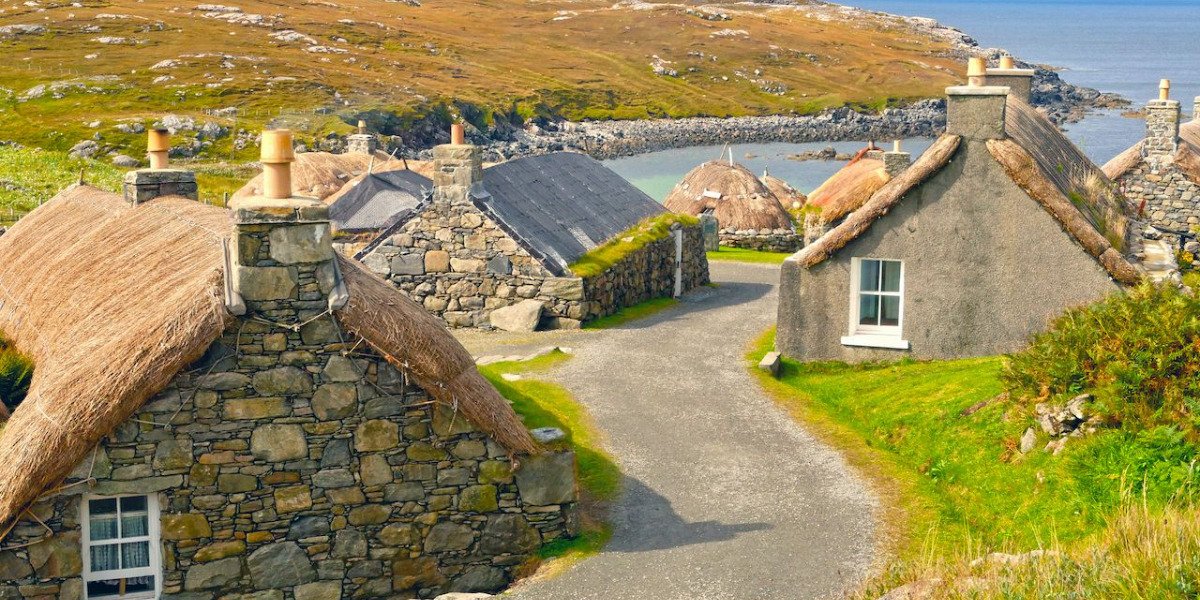
The second proposal, the Rural Visa Pilot, aims to revive depopulating island and village communities. It would cover three to five communities over five years, with a cap of 300 migrants per designated area.
Participating local authorities would identify labour shortages in sectors like agriculture, fisheries, tourism, and care services, recommend candidates to the UK Home Office, and help families integrate upon arrival.
The third route, the Scottish Graduate Visa, would grant international graduates from Scottish universities up to two additional years in the country after their standard graduate visa expires. This counters the UK Government’s plan to shorten standard graduate visas to 18 months starting in 2027.
However, none of these proposed routes are currently operational. Immigration remains a reserved matter under Westminster’s authority, meaning the Scottish Parliament cannot create new visa categories without central government approval.
The UK Home Office has consistently rejected Scotland-specific immigration schemes, saying it has no plans to devolve immigration policy or discuss the ideas further.
First Minister John Swinney addressed the ongoing political friction following a speech at the 92nd SNP conference on October 17, 2026, in Aberdeen. Swinney had previously pledged to engage Westminster on the Scottish Visa proposal within the first 100 days of reforming his administration.