Liberia’s Push for Overseas Voting Gains Ground Ahead of 2029 Elections
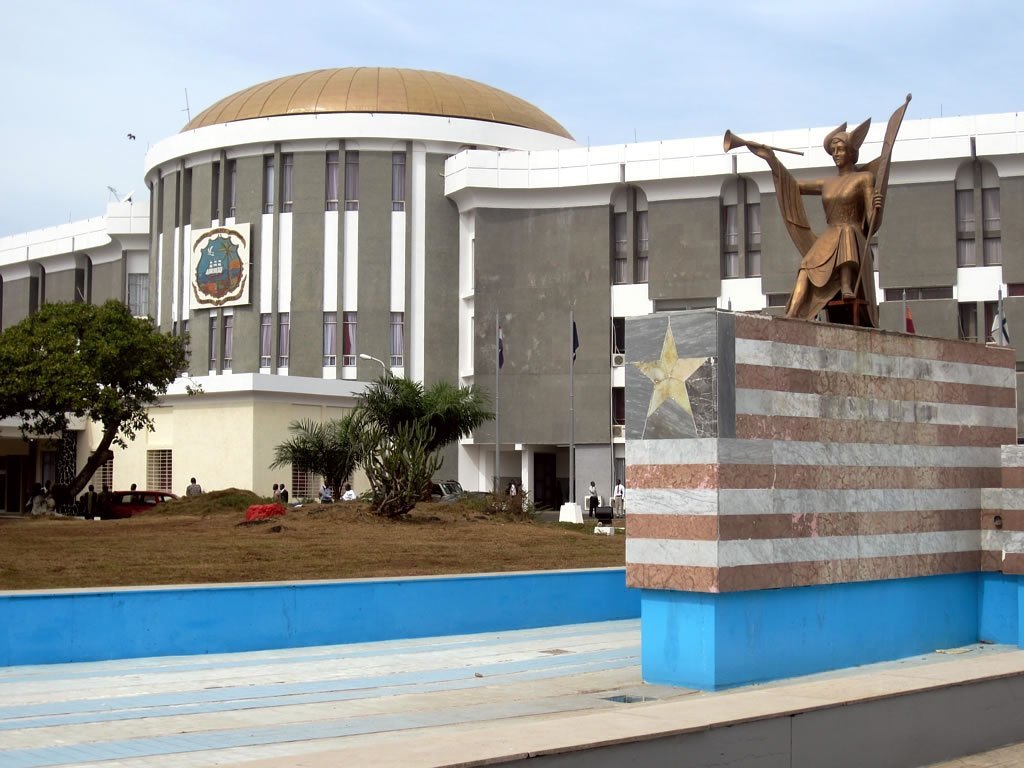
A campaign to allow Liberians living abroad to vote in national elections is gathering pace in Liberia, with diaspora advocates and lawmakers pressing for enabling legislation and a workable operational framework well ahead of the 2029 general elections. The drive, centred on the national legislature in Monrovia, is aimed at extending the ballot to Liberians overseas for the first time in the country’s history.
Under existing arrangements, Liberians who live outside the country have no mechanism to cast ballots in national elections and must return home to participate. The proposed change would open the franchise to communities concentrated in the United States, particularly in Minnesota, as well as in Europe and across West Africa, populations shaped largely by the country’s long years of conflict.
Liberia, Africa’s oldest republic, declared independence in 1847, and its presidency carries a six-year term, with the electoral cycle administered by the National Elections Commission placing the next nationwide polls in 2029. Those contests are due to fill the presidency, all 73 seats in the House of Representatives and half of the 30-member Senate.
The size and distribution of the overseas population trace back to the back-to-back civil wars that ran from 1989 to 2003, which killed tens of thousands and displaced hundreds of thousands more. Many of those who fled settled permanently abroad, building communities that have remained closely engaged with Liberian politics while holding no vote at home. Remittance flows and advocacy networks linking those communities to Monrovia have kept the question of external voting on the national agenda
External voting remains uncommon across Africa, where most constitutions and electoral laws presume that voters cast ballots inside their country’s borders. South Africa and Rwanda are among the minority of states whose citizens abroad can participate in national elections, and the Liberian campaign would place the country in that limited group if it succeeds.
The legislative route before Liberia’s advocates runs through both chambers of the legislature in Monrovia, where lawmakers sympathetic to the cause would need to pass a law defining who qualifies to register from abroad, how identities and citizenship are verified, and where and how ballots are cast, transmitted and counted. Beyond the statute book, the National Elections Commission would require funding, staff and time to build the registration and balloting systems before voters go to the polls.
The question of cost and logistics has historically been the central obstacle for low-income countries considering external voting, since registration drives and polling stations in foreign cities demand budgets and diplomatic coordination that domestic elections do not. Advocates and lawmakers behind the Liberian push have framed the 2029 elections as the target date, arguing that an operational framework must be settled well before voter registration begins for the cycle.
With the polls due in 2029, the timeline leaves the legislature and the National Elections Commission roughly two and a half years to enact, fund and test a system that has never before been used in a Liberian election. The next milestones to watch are the tabling of a diaspora voting bill in Monrovia and the electoral commission’s public position on feasibility, cost and the mechanics of registering voters overseas.