Kenya Confirms Third Ebola Case as Woman Develops Symptoms in Quarantine
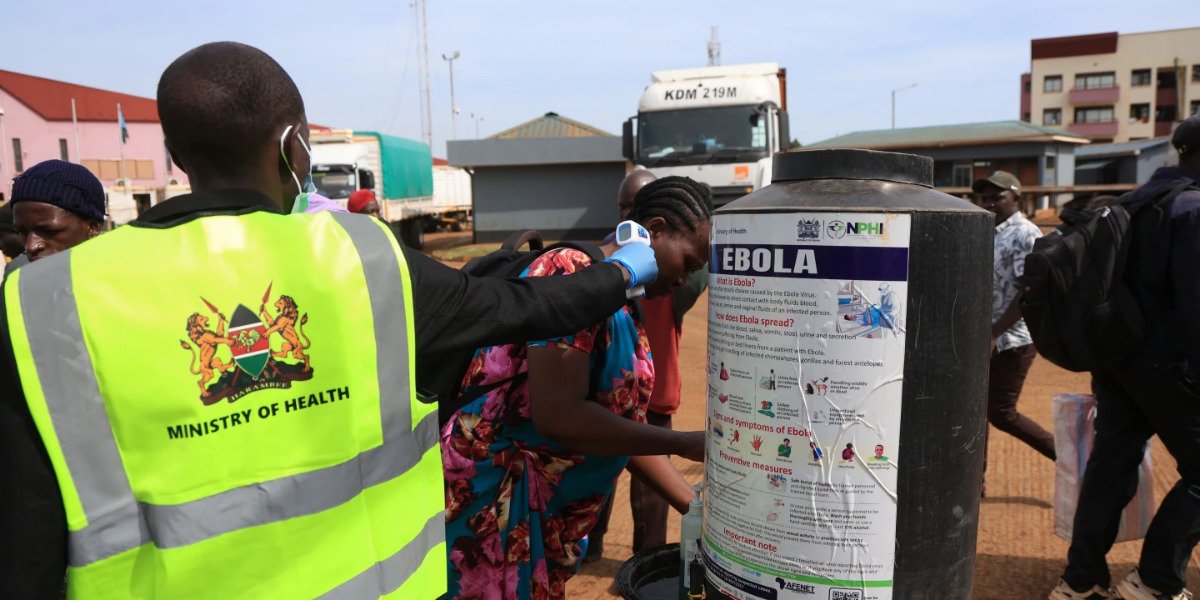
Kenya has confirmed a third case of Bundibugyo Ebola virus disease after a 65-year-old woman developed symptoms while in quarantine, prompting health officials to continue tracing contacts and strengthening surveillance.
The Ministry of Health said the woman had been placed in quarantine on 6 October after being identified as a close contact of the first two confirmed patients. She later developed a fever, sore throat and general weakness, prompting medical teams to isolate her and conduct laboratory tests that confirmed the infection.
The patient is receiving treatment and supportive care at a specialised infectious disease facility. Health officials said her diagnosis while in quarantine demonstrated the importance of monitoring people who have been exposed to the virus.
Director General for Health Patrick Amoth said the early detection of the infection had improved the prospects for effective treatment and containment. Health experts have stressed that identifying cases quickly is essential to limiting transmission, particularly when infected people are already under medical supervision.
However, the third case highlights the continued risk of infections emerging during the incubation period. Authorities have warned that more people under quarantine could develop symptoms in the coming days. Such cases would not necessarily indicate that containment measures had failed, as symptoms can take days or weeks to appear after exposure.
Health officials said contact-tracing operations were continuing, with 127 of the 130 people identified during the investigation having been traced and placed under observation. Efforts were underway to locate the remaining three contacts.
The government maintains that there is no evidence of wider community transmission.
All three confirmed cases have been linked to known contacts, allowing health teams to focus on quarantine, monitoring and treatment. Community transmission would make the response more difficult and could require broader public health measures.
Authorities have also expanded preparedness efforts beyond the immediate outbreak area. Protective equipment, infection-control supplies and screening resources have been distributed to counties considered vulnerable because of their location and transport links.
Screening at airports and border crossings has been strengthened, with travellers arriving from designated high-risk countries subject to additional surveillance procedures. Health officials are also monitoring travellers after their arrival where necessary.
The government said hundreds of thousands of travellers had undergone health screening since the outbreak emerged, while specialised response teams continued to improve preparedness across the country. Despite the confirmed infections, officials have maintained that Kenya remains open to travel, trade and normal economic activity. No restrictions have been imposed on public gatherings or movement, as authorities say there is no evidence of uncontrolled spread.
The coming days will be important as people in quarantine complete their observation periods. Health officials will continue monitoring contacts and investigating any suspected infections to prevent further transmission.
Although the third case was detected within the quarantine system, authorities have cautioned that the outbreak remains a serious public health concern.