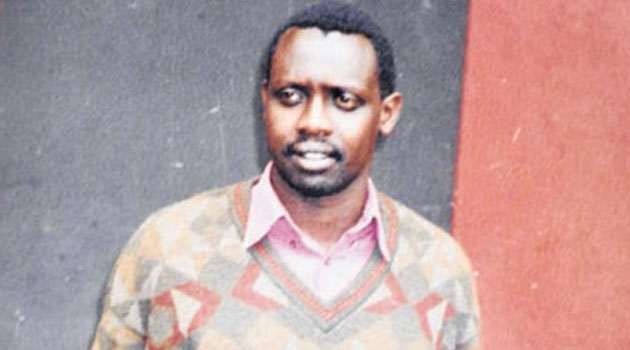
“From Tea Tycoon to Genocide Financier: The Rise, Flight and Fall of Félicien Kabuga”
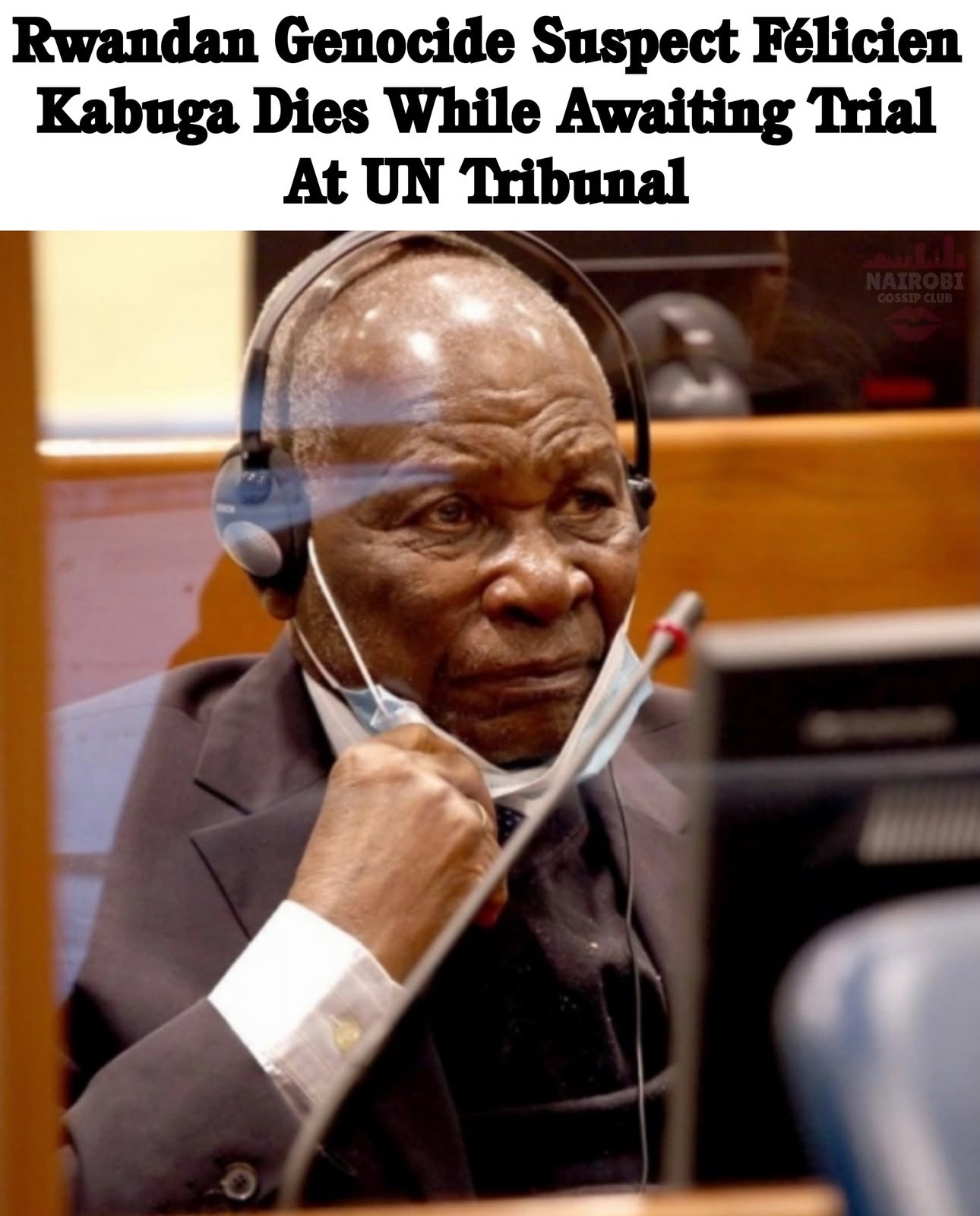
“Félicien Kabuga: Money, Media and the Machinery of Genocide”
Who was Félicien Kabuga?
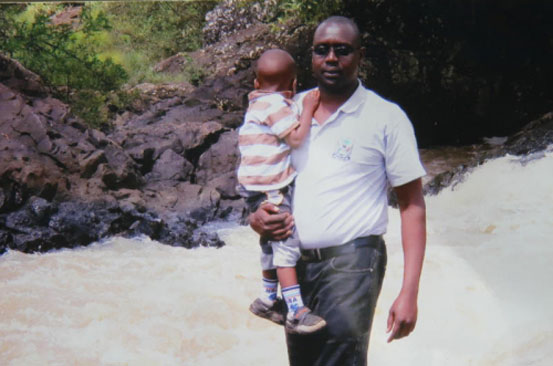
Félicien Kabuga was a Rwandan millionaire businessman widely described as one of the chief financiers of the 1994 genocide against the Tutsi in Rwanda.
Born in 1933, he made his fortune in tea and diversified into multiple sectors, becoming one of the richest men in Rwanda and closely linked to the ruling MRND party of President Juvénal Habyarimana.
For many Rwandans and the wider African diaspora, Kabuga’s name symbolizes the dark side of elite privilege in post‑colonial Africa: how business empires can be weaponized to fuel ethnic hatred and mass violence.
His later years, spent hiding under multiple identities across several countries, also expose uncomfortable truths about international complicity and the weaknesses of global justice systems.
Financing hate and mass murder
Kabuga is accused of using his wealth and companies to fund and enable the genocide against the Tutsi between April and July 1994.
United Nations indictments and human‑rights reports allege that he co‑founded and led the National Defence Fund, which raised and channelled money to the interim government and the Interahamwe militias that carried out killings.
He also played a central role in extremist media, serving as president of the committee behind Radio Télévision Libre des Mille Collines (RTLM), the notorious station that broadcast propaganda and direct incitement to kill Tutsi civilians.
International prosecutors charge him with genocide, conspiracy to commit genocide, direct and public incitement to commit genocide, and crimes against humanity including persecution, extermination and murder.
Life on the run
When the Rwandan Patriotic Front ended the genocide and took power in 1994, Kabuga fled the country and began a decades‑long escape from justice.
He reportedly attempted to stay in Switzerland but was ordered to leave, then moved via Kinshasa in the Democratic Republic of Congo and eventually surfaced in Kenya, where he is believed to have lived under the protection of powerful allies.
Over the years, media and investigators linked him to multiple African countries and, later, to Europe, but he repeatedly slipped through police dragnets, reportedly using more than 20 aliases, multiple passports, and an extensive network of supporters.
Despite a United States reward of up to 5 million dollars for information leading to his arrest, he managed to remain at large for roughly 26 years, becoming one of the world’s most wanted genocide suspects.
Arrest, trial and justice delayed
Kabuga was finally arrested by French police on 16 May 2020 in Asnières‑sur‑Seine, near Paris, where he had been living under a false identity.
His capture was hailed by survivors, Rwandan communities abroad, and international justice advocates as a long‑overdue breakthrough in the quest for accountability.
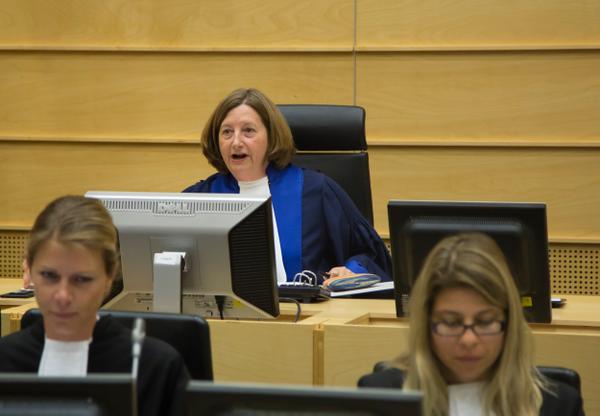
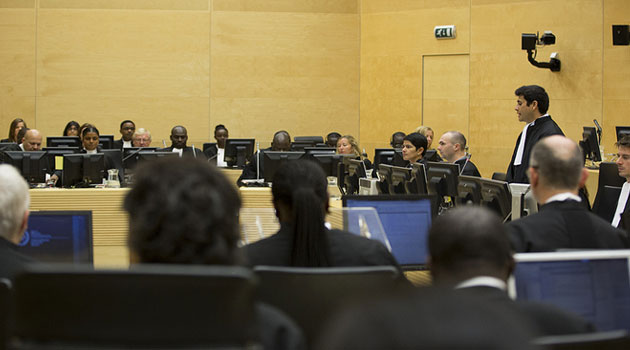
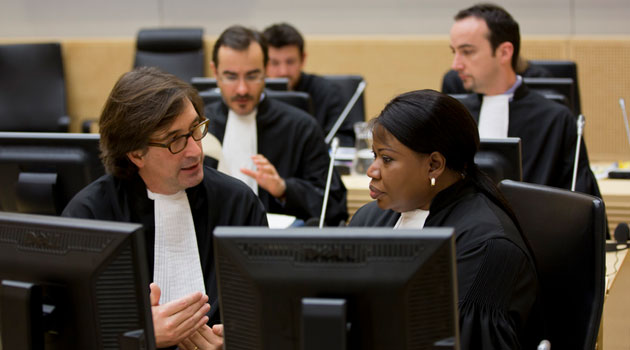
He was transferred to the United Nations’ International Residual Mechanism for Criminal Tribunals (IRMCT) in The Hague to stand trial on charges related to genocide and crimes against humanity.
However, in 2023, UN judges ruled that due to advanced dementia he was unfit to stand trial, effectively suspending and later indefinitely halting proceedings and leaving many victims without the formal judgment they had waited decades to see.
Kabuga died in May 2026, having never been convicted in a court of law for the atrocities he is accused of funding and enabling.
For survivors and their families, his death without a verdict deepens the sense that international justice often moves too slowly to fully answer the demands of memory, healing, and closure.
Lessons for the African diaspora
Kabuga’s story speaks directly to African and Rwandan diaspora communities, many of whom have built new lives in Europe, North America, and beyond while carrying memories of 1994.
His arrest in France and the revelation that he lived comfortably in Europe for years raises hard questions about how elites accused of grave crimes can find shelter in the very countries that champion human rights.
For the diaspora, this case is both a warning and a call to action: a warning about how quickly hate media and political manipulation can turn neighbors into killers, and a call to insist on accountability no matter how much time passes or how powerful the suspects may be.
It also underscores the importance of diaspora voices in pushing host governments to cooperate with international tribunals, expose networks that protect alleged perpetrators, and support survivor‑led initiatives for truth‑telling and remembrance.
Remembering the victims, not just the perpetrator
While the world often focuses on notorious names like Félicien Kabuga, the heart of this story belongs to the more than 800,000 Tutsi and moderate Hutu who were murdered in just 100 days in 1994.
Behind the statistics are families torn apart, communities destroyed, and a global Rwandan diaspora shaped by trauma, resilience, and the long journey of rebuilding.
Diaspora communities today continue to honor the dead through annual commemorations, educational programs, and efforts to fight genocide denial and revisionism in their countries of residence.
In that ongoing work, Kabuga’s life and death are not just a crime dossier, but a stark example of how the choices of one wealthy businessman helped finance a national catastrophe and how the world must never again look away.