US-Iran Tensions Escalate with Reciprocal Military Strikes in the Gulf
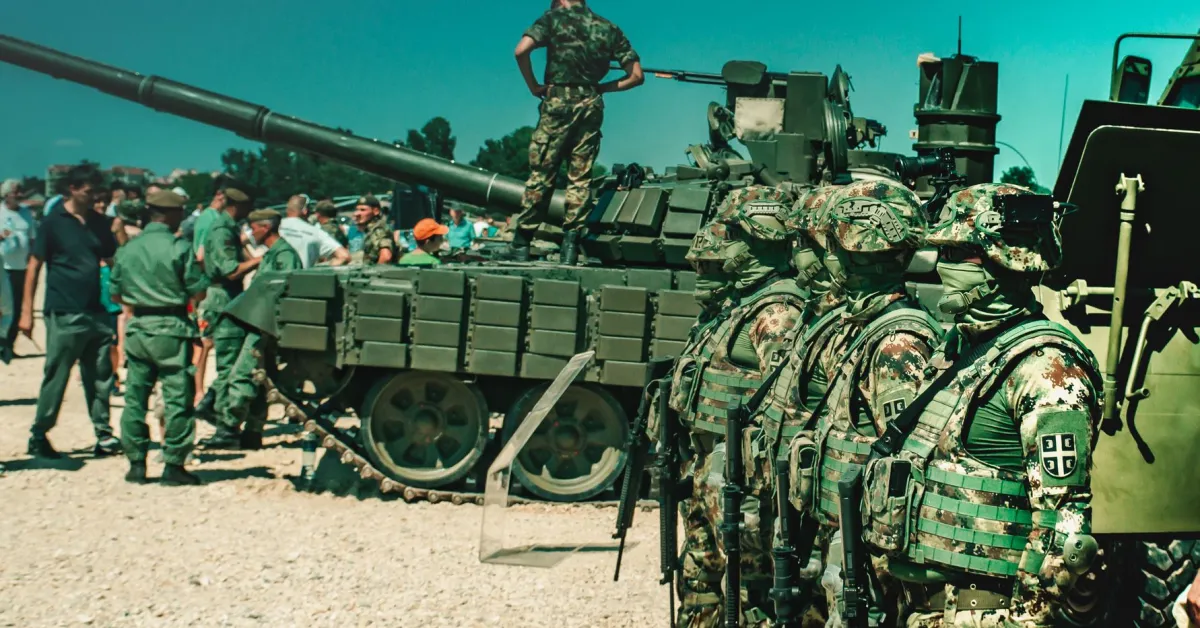
In the latest manifestation of enduring geopolitical tensions, the United States and Iran engaged in reciprocal military actions in the Gulf region, testing a fragile ceasefire that has dominated foreign policy discussions. The U.S. military executed precise strikes on Iranian drone and radar installations, a move intended to counter perceived threats to American forces and interests. In response, Tehran launched retaliatory attacks targeting U.S. bases located in Kuwait and Bahrain.
The Pentagon confirmed the military engagement, describing it as a defensive measure. “Our actions are a direct response to Iranian aggression aimed at our strategic assets,” stated Secretary of Defense Lloyd Austin. “The United States will not tolerate any threats to our personnel and will defend our interests in the region with determination.” The Pentagon’s report highlighted that multiple Iranian drones were downed, and key radar sites were effectively neutralized without incurring American casualties.
Iranian Foreign Minister Hossein Amir-Abdollahian, addressing the state media, characterized the U.S. strikes as “unprovoked” and asserted Tehran’s sovereign right to defend its territory. “Iran’s response is a defensive action against the repeated provocations by U.S. forces in the Gulf,” he declared. “Our military capabilities are prepared to respond to any further aggression swiftly and decisively.” Iranian state media reported moderate damage to U.S. installations but did not specify the extent of casualties.
This renewed conflict follows a period of relative calm under the joint ceasefire agreement brokered in early 2026, an accord facilitated by intermediaries from the European Union and Qatar. However, analysts like Dr. Suzanne Maloney from the Brookings Institution suggest that underlying hostilities remain potent. “These incidents underscore the volatility of the region and highlight the fragility of agreements without comprehensive diplomatic engagement,” Maloney asserts.
Global markets reacted to the skirmish with heightened volatility, particularly in oil futures, given the Gulf’s strategic importance as a major energy corridor. Brent crude saw a 4% increase, trading at $85 per barrel, as stakeholders expressed concerns over potential disruptions. The International Energy Agency (IEA) noted the risk of further escalation could significantly impact global supply chains, already strained under current geopolitical tensions.
The situation has drawn the attention of the United Nations, with Secretary-General António Guterres urging restraint and renewed dialogue. “The international community must prioritize diplomatic resolutions to prevent further conflict escalation,” Guterres emphasized in a statement released by his office.
As both nations engage in a war of rhetoric and posturing, international observers remain cautious. The African Union and the Organization of Islamic Cooperation have called for de-escalation, recognizing the broader implications for regional stability and potential economic repercussions for developing nations reliant on Middle Eastern trade routes.
While Washington and Tehran navigate this complex geopolitical landscape, the world watches closely for any shifts in policy or further military engagements that could alter the balance of power in the Gulf. The Biden administration’s diplomatic corps is reportedly in consultation with allies to formulate a cohesive response strategy aimed at maintaining peace and security in the region.