Ruto Defends Finance Bill 2026, Hails MPs for ‘Patriotic’ Vote
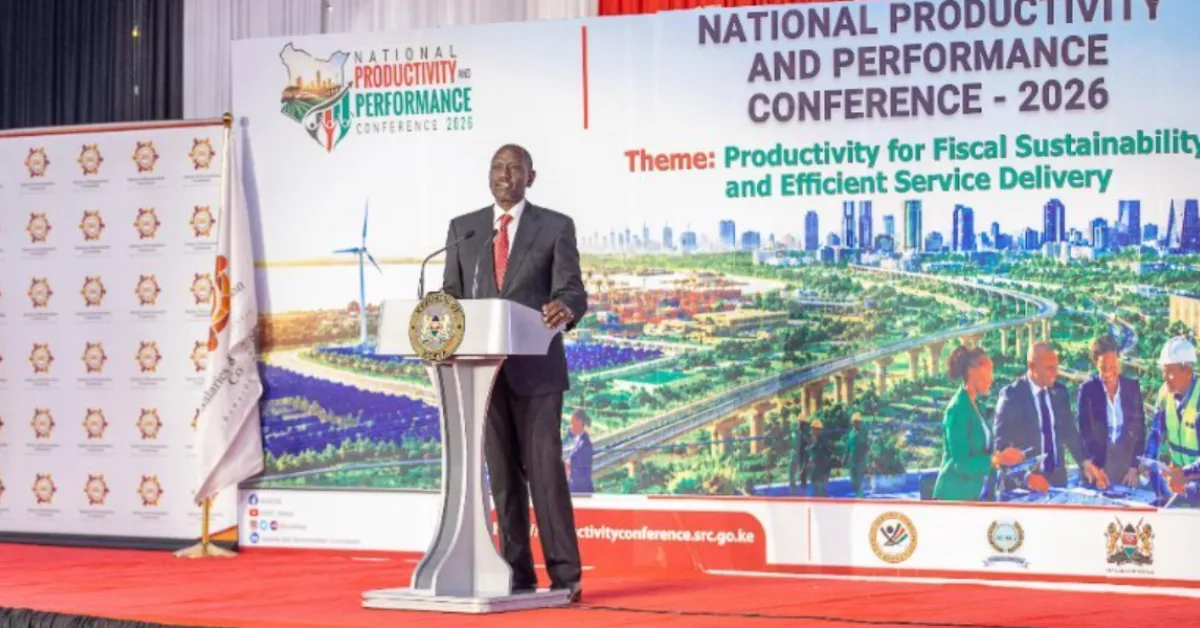
President William Ruto has defended the passage of the Finance Bill 2026 and praised MPs who supported it, describing their vote as an act of patriotism and political courage.
Speaking at the funeral of Mama Zipporah Kosgey in Nandi County, Ruto said lawmakers who backed the Bill had resisted what he called propaganda, falsehoods and divisive politics. He argued that their decision helped protect Kenya’s economic stability.
The Finance Bill 2026, which outlines taxation and revenue measures for the coming financial year, passed its Third Reading in the National Assembly with 122 votes in favour and 40 against. Only 162 of the 349 MPs took part in the vote, a turnout that has raised questions about parliamentary participation in a key piece of legislation.
Ruto rejected criticism of the Bill and challenged its opponents to identify provisions they believe would negatively affect Kenyans. He said critics had failed to point to specific clauses when given the opportunity to do so in Parliament.
The President also linked the debate to wider issues of leadership and national cohesion. He urged Kenyans to examine claims made by political leaders carefully and to demand evidence rather than accept arguments based on misinformation or ethnic divisions.
Later, while addressing the inaugural National Productivity and Performance Conference 2026, Ruto turned his attention to what he described as a major obstacle to Kenya’s economic progress: low productivity. He said the country could not achieve higher levels of development without improving efficiency and output.
Citing OECD data, Ruto noted that Kenya ranks 142nd out of 189 countries in worker productivity. The President compared Kenya’s performance with that of advanced economies, saying workers in countries such as Norway and Ireland generate more than $100 in output per hour. He also pointed to Singapore as an example of how strong productivity can drive economic growth despite limited natural resources.
Ruto outlined a reform programme built around five priorities: human capital development, merit-based recruitment in the public service, greater use of technology, stronger service delivery through county governments, and national mobilisation. He called for increased investment in skills development and reskilling programmes, wider adoption of artificial intelligence and automation in government operations, and stricter adherence to merit in public sector appointments.