Rigathi Gachagua Accuses William Ruto of Fuel Price Manipulation
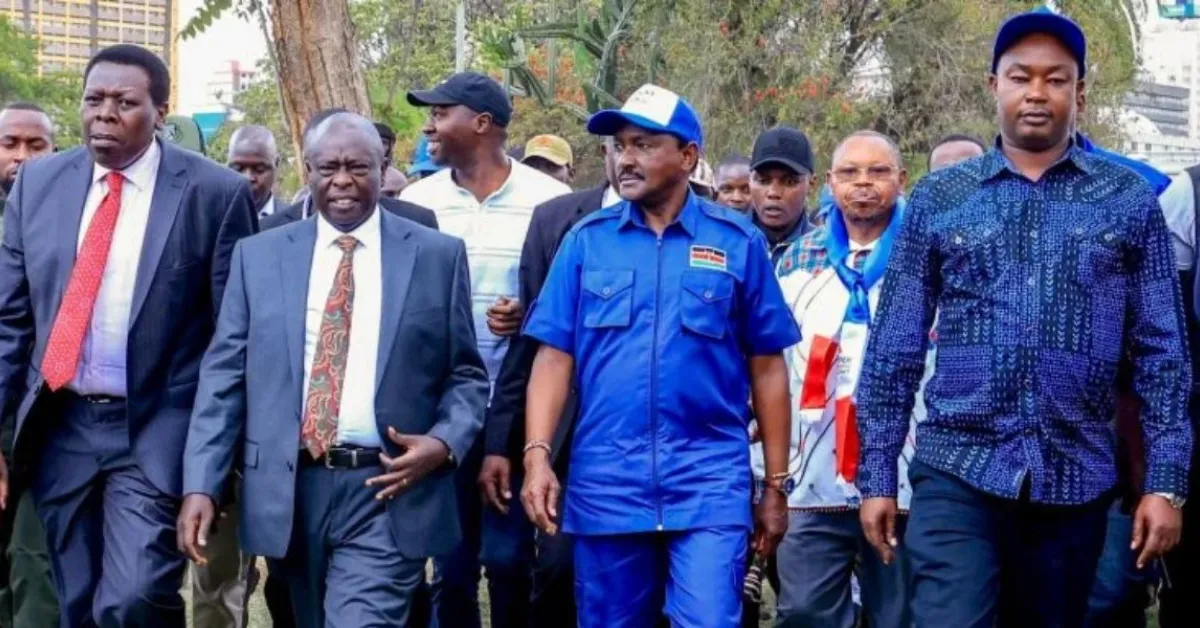
Kenya’s opposition has accused President William Ruto of interfering in fuel procurement decisions and inflating pump prices, and has called for an emergency sitting of the National Assembly to review the government-to-government fuel import system.
Opposition leaders, speaking at a press briefing in Karen, alleged that the current fuel import framework favours private interests linked to senior officials. They called for the system to be abolished, arguing that it has increased costs for consumers.
Former Deputy President Rigathi Gachagua, representing the United Alternative Government, claimed that President Ruto intervened in recent emergency fuel import decisions. He said this action overrode technical advice from officials at the Kenya Pipeline Company, the Energy and Petroleum Regulatory Authority (EPRA), and the Petroleum Ministry.
He further alleged that Gulf Energy, which he described as a proxy firm linked to the president, was included in negotiations despite not meeting technical requirements, and later acted as the government’s agent in pricing discussions with international suppliers. According to Gachagua, meetings held in Dubai on 5–6 April led to a revised pricing structure that significantly increased fuel costs.
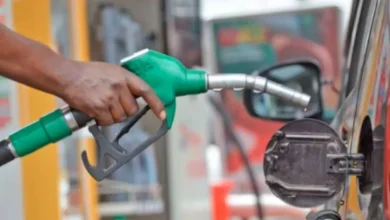
The latest EPRA review, announced on 14 April, raised petrol prices by KSh28.69 per litre and diesel by KSh40.30. He alleged that the president earns KSh5 per litre consumed, amounting to KSh2.5 billion from 500 million litres allocated for regional supply, and up to KSh30 billion since the G2G arrangement began.
The opposition has also called for the resignation of Energy and Petroleum Cabinet Secretary Opiyo Wandayi, accusing him of failing to provide accountability during the crisis. Trade Cabinet Secretary Lee Kinyanjui was similarly criticised, with opposition leaders stating that both ministers bear responsibility for the management of the energy sector.
They also questioned the arrest of former energy officials, arguing that enforcement measures have not been applied consistently. In addition to these demands, the opposition proposed a series of economic measures. These include cancelling the KSh5 trillion National Infrastructure Fund, suspending the road maintenance levy and the affordable housing levy, halting National Social Security Fund deductions, and removing VAT on fuel products.
Gachagua suggested that proceeds from the sale of state shares in Safaricom and the Kenya Pipeline Company could be used to ease the cost of living.