Peter Anyang’ Nyong’o to Face Senate Committee Over Governance Issues
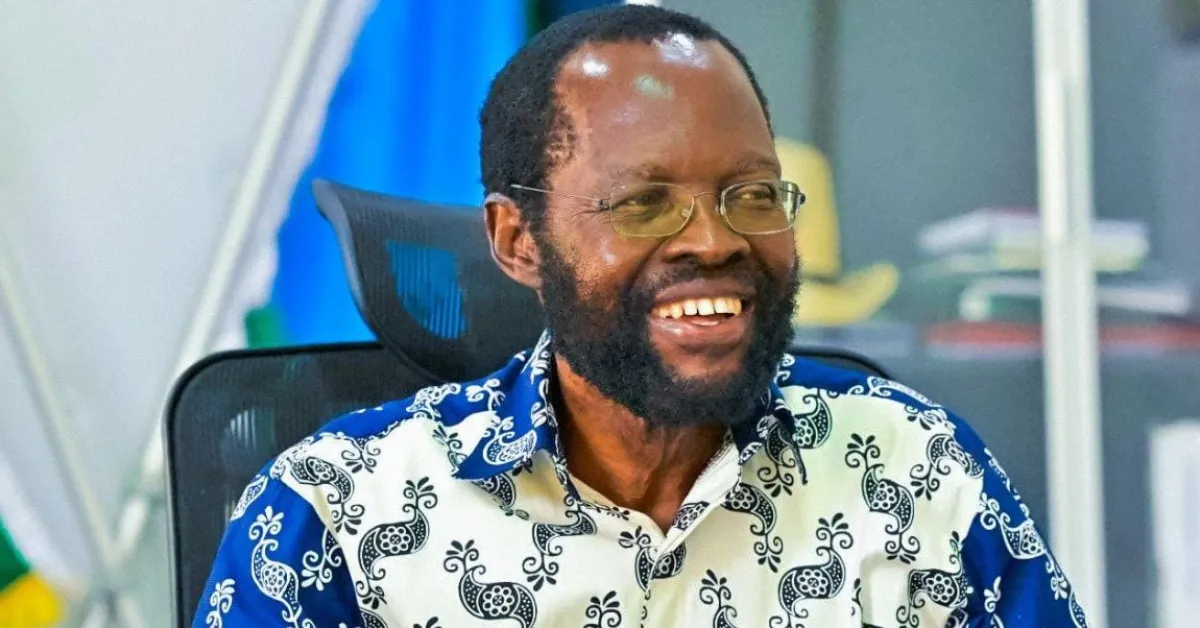
Kenya’s Senate has summoned Kisumu Governor Peter Anyang’ Nyong’o to explain alleged failures in the management of municipal boards within the county.
The action follows deliberations by the Senate’s Devolution and Intergovernmental Relations Committee, chaired by Mohamed Abbas. Lawmakers are examining claims that county governments are weakening legally established urban governance structures, particularly through control of funding.
Senators indicated that similar inquiries could extend to governors in all 47 counties. Evidence presented to the committee described significant dysfunction in Kisumu County.
Representatives of several municipal boards reported a strained relationship with the County Executive, stating that their institutions operate with limited authority. They said decisions made by the boards are often not implemented due to lack of funds and interference from county officials.
Lordvick Otieno, who led the delegation, said the boards’ mandate has been steadily undermined. He explained that while boards continue to pass resolutions on development and service delivery, they lack the financial resources and administrative support required to carry them out. He added that this situation has created a gap in governance at the municipal level.
Board representatives also alleged that their funding has been restricted. They told the committee they receive between 30 and 40 per cent of their approved budgets.
They further claimed that essential operational costs, including utilities and office supplies, are routinely excluded by the county treasury. In addition, they said municipal managers often bypass board structures and report directly to senior county officials.
Senators stressed the need for evidence-based findings. Catherine Mumma noted that although concerns about the implementation of urban governance laws have been raised before, any conclusions must be supported by proper documentation. Peris Tobiko similarly cautioned that unverified claims would not meet the standard required for formal action.
The inquiry has also raised questions about existing legislation. Lawmakers suggested that amendments to the Urban Areas and Cities Act may be necessary if gaps are identified. Such changes would aim to define more clearly the roles and financial independence of municipal boards.
Municipal boards are central to Kenya’s devolved governance system. They oversee urban planning, infrastructure development, and service delivery, often with support from national initiatives such as the Kenya Urban Support Programme.