Naivasha’s Portable Homes You Can Dismantle and Relocate
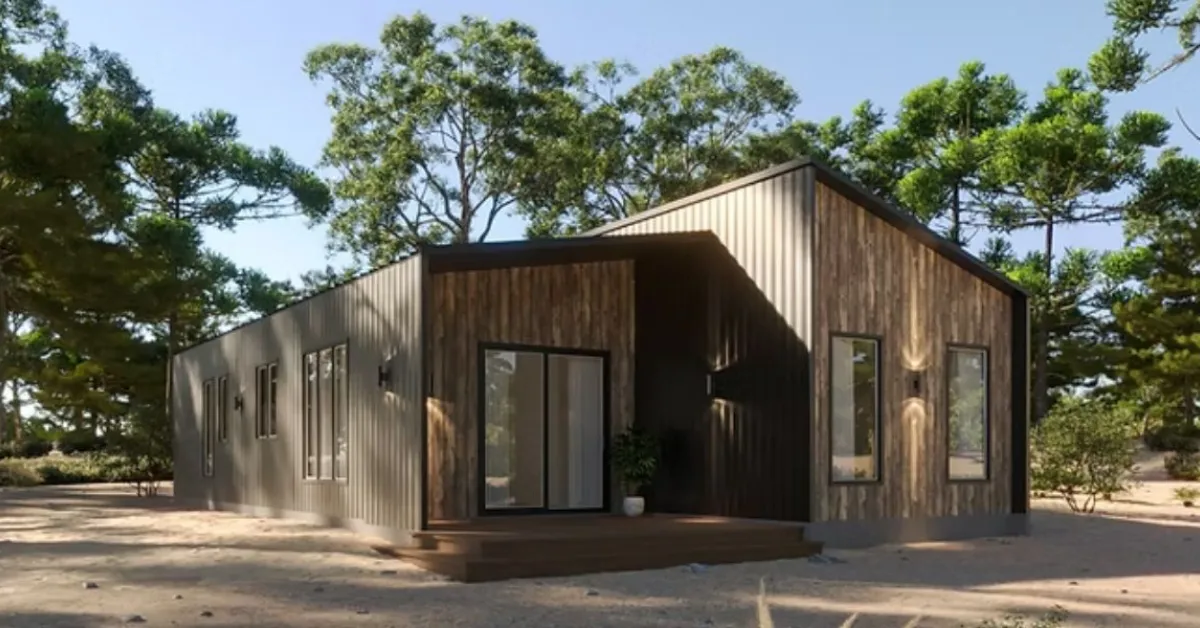
A factory in Naivasha is producing prefabricated housing units that can be installed within weeks, offering an alternative to conventional construction methods.
A factory-based approach to building homes is gaining ground in Kenya as delays, rising costs and uncertain timelines continue to affect traditional construction. The method involves assembling housing units off-site before transporting them for final installation, reducing reliance on cement work, manual labour and favourable weather conditions.
At the Naivasha facility, production follows a structured process. Steel frames are fabricated, wall panels are assembled and components are fitted together in a controlled environment. This allows complete living spaces to be formed indoors, limiting exposure to disruptions such as rainfall, labour shortages and inconsistent material supply.
The controlled setting enables a more predictable workflow. Completed units can be delivered and installed within weeks rather than months. Fully fitted structures, including kitchens, bathrooms and insulated walls, are typically ready for occupation within five to ten weeks.
The initiative is led by SpinksInvest, a company founded in 2017 and operational since 2020. Its founder, Ben Spinks, says inefficiencies in Kenya’s construction sector, particularly in middle-income housing, have created an opportunity for alternative building methods.
He identifies reliance on “wet trades”, fluctuating material availability and inconsistent workmanship as key causes of delays and cost overruns. By moving much of the construction process into a factory, the company aims to standardise quality and reduce material waste.
The units are designed for rapid on-site assembly, using prefabricated components that fit together with precision. The firm has also expanded into related products, including modular swimming pools made from repurposed shipping containers, which can be installed within a few weeks.
Prices vary by size and specification. Entry-level office units start below one million shillings, while larger residential units can cost up to four million shillings, excluding transport and site preparation. The target market includes middle- and upper-middle-income buyers, as well as developers and hospitality operators seeking faster project completion.
Kenya faces a significant housing deficit, with demand exceeding supply by hundreds of thousands of units each year. The shortage is most pronounced in urban and peri-urban areas, where population growth continues to outpace construction. Conventional building methods, often constrained by financing and logistics, have struggled to meet this demand.
Modular construction offers additional advantages. The factory environment can improve consistency and reduce environmental impact through more efficient use of materials and water. The units are also designed to be portable, allowing them to be dismantled and relocated, which may appeal to a mobile workforce and short-term property investors.
However, adoption remains limited. Traditional stone-and-mortar homes still dominate the market, shaped by perceptions of durability, status and permanence. Regulatory frameworks and planning systems are also evolving, creating challenges for wider implementation.
Industry observers note that broader uptake will depend on policy support, public awareness and clearer regulations. Financing models suited to prefabricated construction may also help increase adoption.
SpinksInvest has delivered more than 120 units nationwide and contributed to large-scale projects, including temporary infrastructure for events in Naivasha.