Moon Mining: The Pursuit of Helium-3 and Its Global Implications
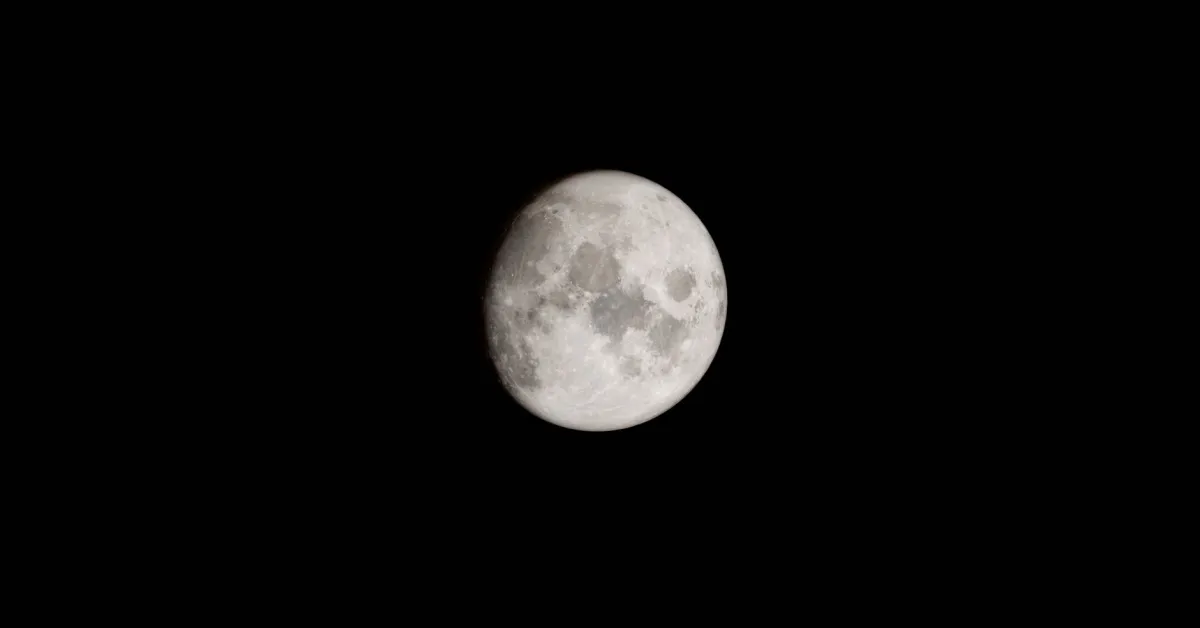
In a quest that could redefine the future of energy, several space-faring nations and private enterprises are turning their gaze to the moon in pursuit of Helium-3, an isotope highly coveted for its potential use in nuclear fusion. The prospect of harvesting this rare element has sparked a surge of interest due to its promise as a cleaner and virtually limitless energy source, promising to alleviate the world’s growing energy needs.
Helium-3 is not only scarce on Earth but also immensely expensive, with estimates suggesting that a mere gram could be worth as much as $3,000. This scarcity has fueled a projected increase in demand, particularly as global interest intensifies around sustainable energy solutions. The moon, with its surface estimated to contain over a million metric tons of Helium-3, presents a tantalizing opportunity. “The moon’s resources offer a strategic advantage that could satisfy global energy requirements for centuries,” said Marco Rubio, U.S. Secretary of State, underscoring the potential geopolitical ramifications of lunar mining.
The challenges of mining Helium-3 on the lunar surface are substantial, requiring advancements in space technology and infrastructure. However, countries like the United States, China, and Russia, alongside private companies such as SpaceX, are investing heavily in lunar exploration programs. The U.S. National Aeronautics and Space Administration (NASA) has already outlined plans for the Artemis program, which aims to return humans to the moon by the late 2020s with an eye on resource utilization. “Our goal is not just to explore, but to establish the moon as a stepping stone for deeper space exploration,” NASA Administrator Bill Nelson has stated.
China’s space agency has also been vocal about its intentions, with missions planned to further understand and possibly exploit the moon’s resources. The Chang’e lunar exploration program has already achieved significant milestones, including landing on the far side of the moon. “China is committed to the peaceful exploration and sustainable use of outer space resources,” Chinese space officials have reiterated in public forums.
For developing nations, the successful mining of Helium-3 could significantly alter energy accessibility and economic dynamics. African countries, in particular, could benefit from the global redistribution of energy resources, potentially reducing dependency on fossil fuels and mitigating the impacts of energy poverty. However, the cost and complexity of accessing these lunar resources remain formidable barriers for countries without existing space programs.
The international community will need to address regulatory frameworks for lunar resource extraction, as current space laws, including the Outer Space Treaty of 1967, do not adequately cover commercial mining activities. Discussions are ongoing at the United Nations Committee on the Peaceful Uses of Outer Space (COPUOS), which aims to establish guidelines that ensure equitable access and prevent conflicts over lunar resources.
As the race to mine Helium-3 intensifies, the world watches closely, anticipating not only a new era of energy but also the diplomatic, environmental, and economic shifts that may accompany humanity’s bold leap to harvest the moon’s treasures.