Kenyans in Korea Seek Broader Consular Services Ahead of 2027 Polls
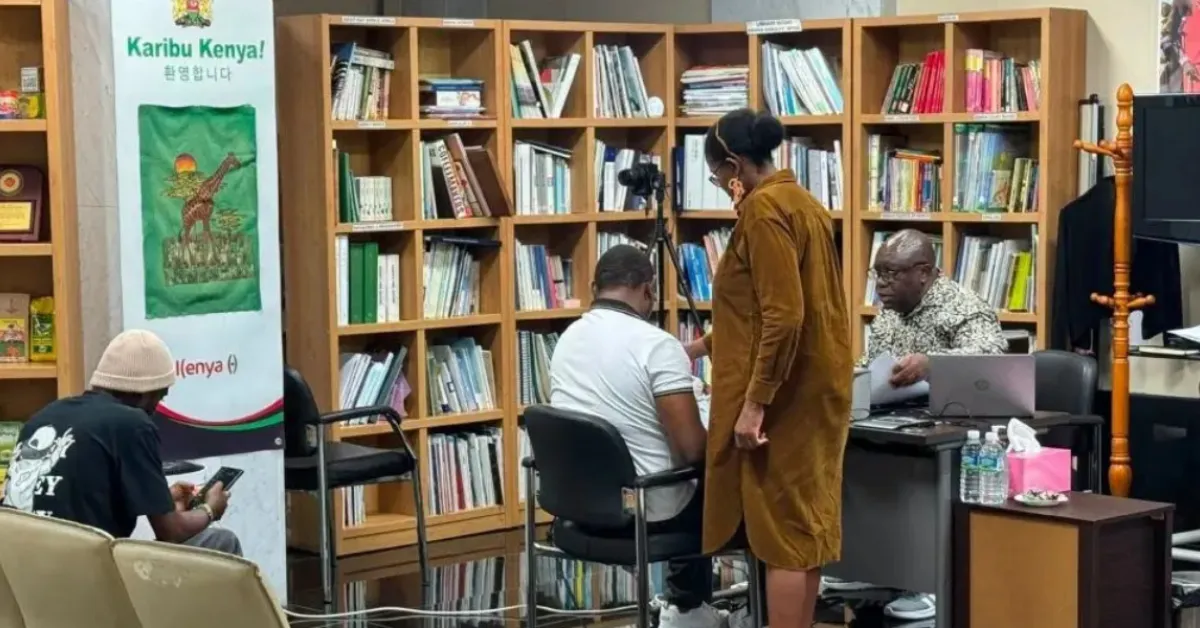
A mobile consular exercise organised by the Kenyan Embassy in Seoul has prompted calls from Kenyans in South Korea for future outreach programmes to include voter registration and national identity card applications alongside existing consular services.
The three-day exercise, held from 10 to 12 July, brought essential government services closer to Kenyans living across South Korea, reducing the need for many to travel to the embassy for routine assistance. It followed a recent appeal by the embassy urging citizens to collect unclaimed passports and Certificates of Good Conduct as part of efforts to improve access to official documents.
Many participants welcomed the initiative but said future programmes should provide a wider range of services. Philip, a Kenyan living in Seoul, praised the embassy for expanding access to passport renewals and document processing but said the absence of national identity card applications and voter registration remained a major concern.
He said future outreach should allow Kenyans abroad to register as voters so they can take part in national elections without having to travel to Kenya. The calls come as Kenya begins preparations for the 2027 General Election, with diaspora voting remaining an unresolved issue.
In September 2025, the Diaspora Network Hub criticised the Independent Electoral and Boundaries Commission (IEBC) after it declined to conduct voter registration outside Kenya while reviewing its policies. The organisation’s founder, Mudge Rulf, said the decision denied Kenyans living abroad their constitutional rights and argued that repeated requests for broader access had not been addressed.
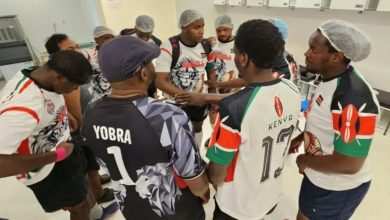
South Korea’s Kenyan community, estimated at about 400 people in 2023, is spread across several cities. While many live in Seoul, others are based in Busan, Cheonan, Gwangju, Daejeon and Daegu. The community includes undergraduate and postgraduate students, researchers, lecturers, engineers, IT professionals, business people and consultants.
Their wide distribution has strengthened calls for government services to be delivered closer to where citizens live instead of being concentrated at the embassy in Seoul. Mobile consular programmes are intended to improve access by allowing embassy officials to travel to different locations and provide services such as passport applications, document certification and document collection.
However, the growing demand for voter registration and national identity card services reflects increasing expectations among Kenyans abroad for broader access to government services. The discussion also comes as passport issuance in Kenya has fallen sharply.
A government report released in May showed that 393,567 passports were issued in 2025, down 36.7 per cent from 621,794 in 2024. The report described it as the largest annual decline in passport issuance in four years.
As Kenya’s diaspora continues to grow, questions remain over how government services can better meet the needs of citizens living abroad. For many Kenyans in South Korea, the recent outreach demonstrated the benefits of bringing consular services closer to communities.
They are now calling for future programmes to include voter registration and national identity card applications to strengthen their participation in national affairs.