Kenyans Facing US Removal Could Be Deported to Third Countries Under New Ruling
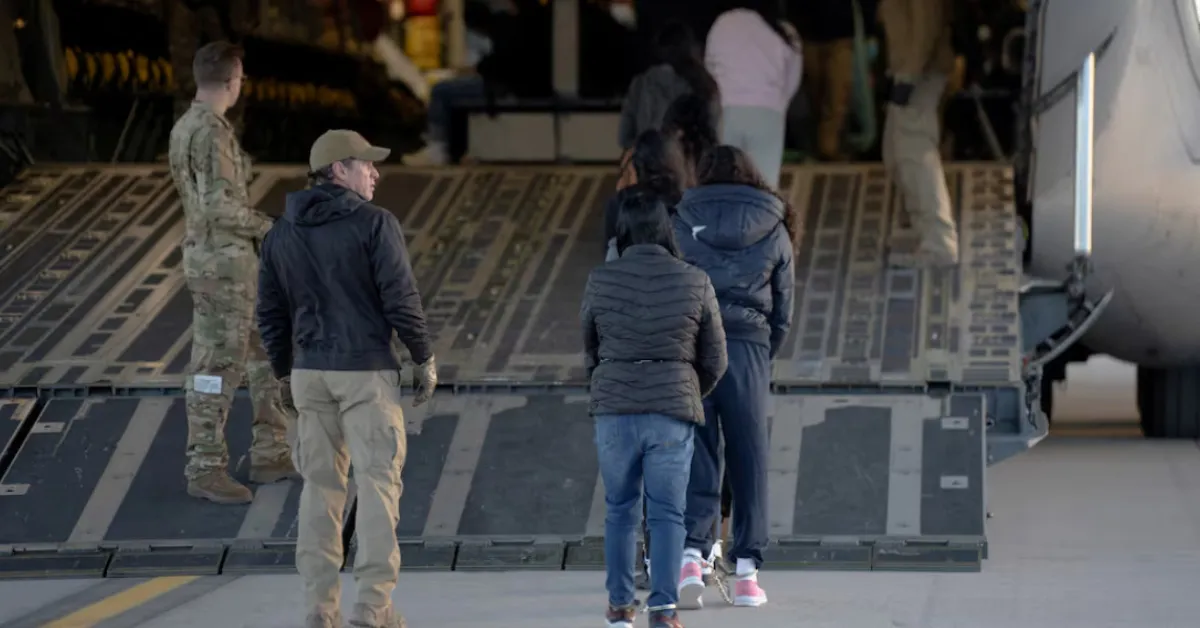
Kenyans in the United States who have been ordered to leave could now face deportation to countries other than Kenya after the US Supreme Court allowed the Trump administration to resume third-country removals.
The Supreme Court issued the decision on 29 September, temporarily lifting restrictions that had required immigration authorities to give migrants notice and an opportunity to challenge their removal to a country where they had no established ties. The court will hear arguments over the legality of the policy in
December, with a final ruling expected in 2027.
The case centres on the procedures that must be followed before migrants are sent to a third country, particularly where they may face persecution or torture. A lower court had required authorities to notify affected migrants and give them an opportunity to raise concerns before the transfer. The First US Circuit Court of Appeals largely upheld those requirements before the Supreme Court intervened.
The Supreme Court’s latest order allows the administration to continue the removals while the broader legal challenge is considered. The decision does not settle the underlying question of whether the policy is lawful.
James Percival, general counsel at the Department of Homeland Security (DHS), welcomed the decision and said the department’s third-country removal policy was back in effect. He also urged people in the US without legal status to leave voluntarily.
ICE records show that 1,282 Kenyan nationals were on the agency’s non-detained docket with final orders of removal as of 13 March. A final removal order means an individual has been directed to leave the United States after immigration proceedings. Being on the non-detained docket does not, by itself, mean that the person has a criminal conviction.
The policy allows US authorities to send some migrants to countries other than their country of citizenship. DHS guidance provides for such removals where the US has received assurances from the receiving country that the migrant will not be persecuted or tortured there.
The Trump administration has reached arrangements with countries in Africa, Latin America and elsewhere to accept deportees who are not their citizens. DHS has said about 25,000 people have been removed to third countries under the policy.
The policy has faced legal challenges over the level of notice and procedural protection given to migrants before their removal. Lawyers representing affected migrants have argued that people should have a meaningful opportunity to explain why they fear persecution or torture in a proposed third country. The administration has maintained that third-country removals are an important enforcement tool, particularly where migrants cannot be returned to their countries of origin.
The administration has also continued to promote voluntary departure through the CBP Home programme. DHS describes the programme as a way for people without legal status to register their intention to leave the United States and receive assistance with their departure.
The Supreme Court is expected to consider the third-country removal policy in December. Until the court issues its final ruling, the 29 September order allows the Trump administration to continue the removals while the legal challenge proceeds.