Kenyan Father Denied UK Visa to Attend Son’s Graduation
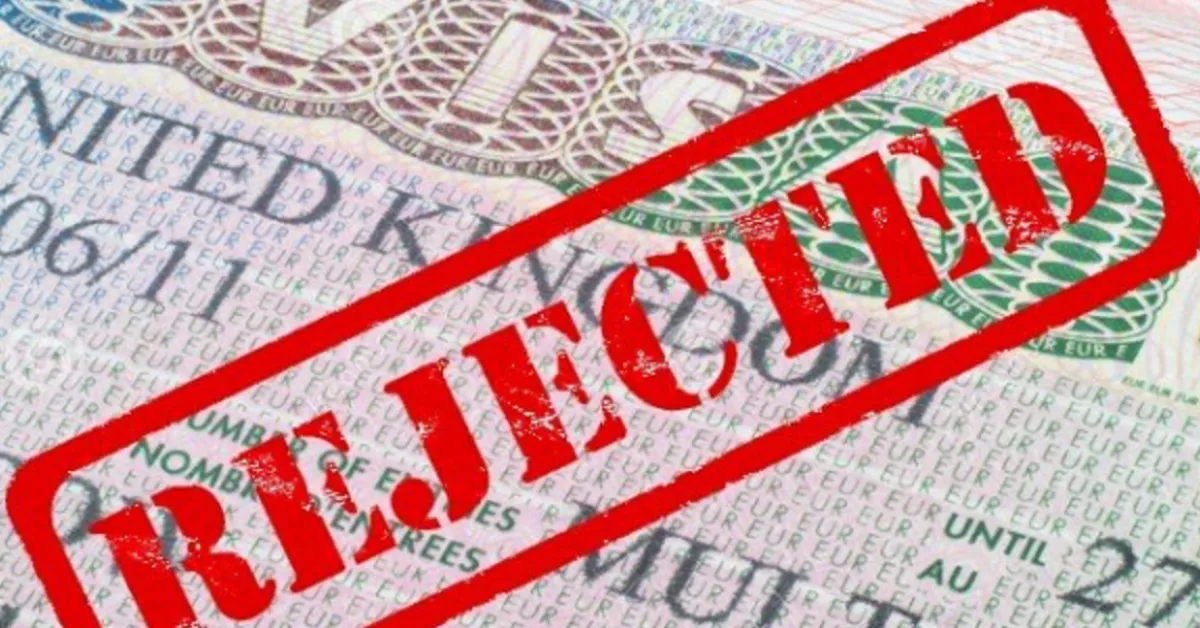
A Kenyan father has been refused a UK visa to attend his son’s graduation later this month, despite citing a clear reason for travel and a record of international trips.
The decision comes under Britain’s new visa rules for applicants from several African countries. The father’s account of the refusal, shared on X, described his disappointment after his application was rejected.
He said his family intended only to attend their son’s graduation before returning to Kenya. However, his application was refused under the UK’s enhanced credibility checks, introduced in mid-2026 for nationals of 33 African countries considered at greater risk of overstaying. The policy is already affecting students, families and professionals seeking short-term visits to Britain.
The enhanced checks apply to applications for study, tourism, business and family visits. They require additional supporting documents and longer processing times. Kenya, Rwanda, Uganda, Tanzania, Ghana, Nigeria, Egypt and South Africa are among the countries covered, along with others including Cameroon and Sudan.
The UK government says the measures are needed to protect the integrity of the immigration system. Critics argue that the policy unfairly subjects legitimate travellers from entire countries to greater scrutiny.
Several of the countries affected are Commonwealth members with long-standing links to Britain. Some were also involved in discussions over UK asylum partnerships in recent years. Although those proposals did not proceed, their citizens now face stricter visa checks.
The issue is particularly significant for families who have invested in British education but are unable to attend important occasions such as graduation ceremonies. The policy reflects Britain’s wider approach to immigration since Brexit. Calls for tighter border controls, supported by political parties including Reform UK, have influenced successive governments.
The impact extends beyond individual families. African businesses, researchers and professionals may face greater difficulty travelling to the UK for meetings, conferences and commercial activities. Delays and refusals can affect investment opportunities, academic partnerships and trade discussions.
Family events such as graduations, weddings and funerals may also be missed because visa decisions or appeals are not completed in time. Across Africa, regional organisations and the African Continental Free Trade Area are working to increase the movement of people and investment between member states.
Britain’s stricter visa approach presents a different direction. The policy also comes at a time when discussions on colonial reparations and Britain’s historical relationship with former colonies continue in several countries.
Some observers have suggested alternative approaches, including closer data-sharing with African governments to identify overstayers, stronger enforcement against organisations that abuse visa systems, and faster consideration of urgent family or humanitarian cases. They argue that applicants with established travel histories and clear financial evidence should not face the same level of scrutiny as higher-risk cases.