Kenya to Link National ID Database with CCTV Cameras
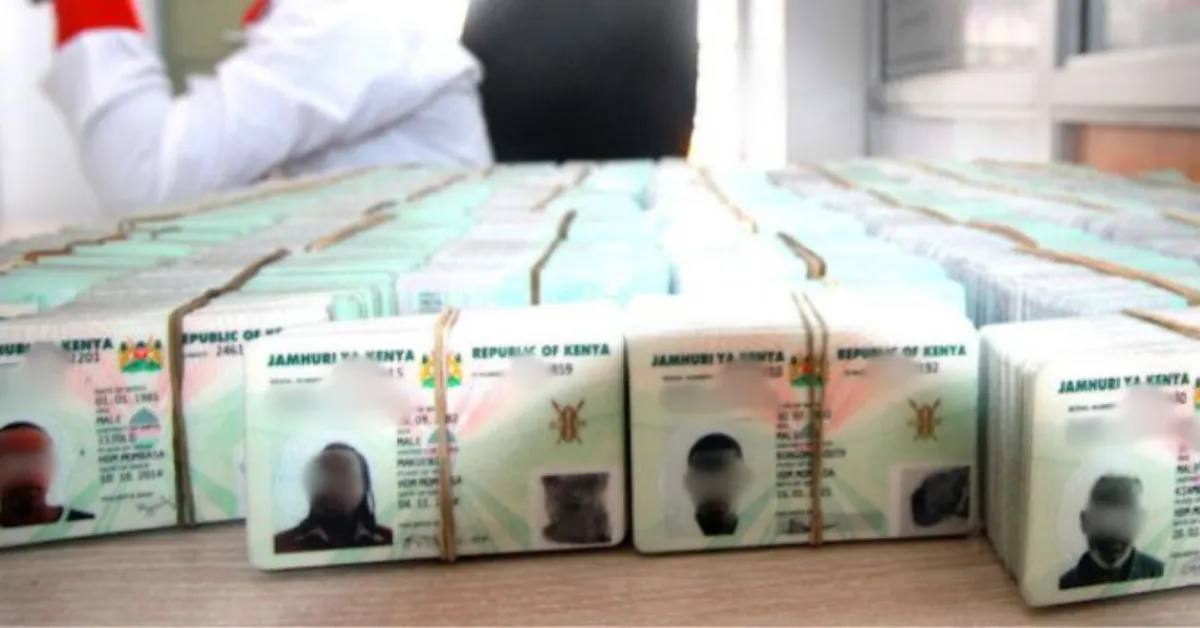
Kenya plans to link the National Registration Bureau’s database with a new facial recognition surveillance system across six major cities, a project the government says will strengthen crime detection and investigations.
Interior Cabinet Secretary Kipchumba Murkomen announced the plan during a televised interview, saying the integration of identity records with facial recognition technology would allow police to identify suspects more quickly than under current procedures. At present, investigators rely on manually reviewing CCTV footage and distributing images of suspects to the public to obtain leads.
Murkomen said this process is often slow and ineffective because Kenya does not have a centralised system capable of matching surveillance footage with official identity records. He said the country lacks a facial recognition database that can compare images captured by cameras with records held by the government to establish a person’s identity.
The new technology will form part of the upgraded Integrated Command, Control and Communication Centre (IC3). Once operational, the system will enable police to compare images captured by CCTV cameras with photographs stored in national identification records.
According to Murkomen, the system will gradually build a larger dataset, allowing officers to verify identities in real time. Nairobi is expected to be the first city to receive the technology, with deployment planned within six months of procurement.
The government aims to complete procurement within two months, with spending capped at KSh25 billion. Surveillance cameras will be installed in Nairobi, Mombasa, Kisumu, Nakuru, Eldoret and Nyeri as part of the project.
Murkomen said privacy protections would be maintained and that cameras would only be installed in public spaces. He said that the system would not be extended to private areas such as homes or hotels.
The project marks a significant expansion of Kenya’s use of biometric technology in policing. The Interior Ministry says the system is intended to modernise criminal investigations by enabling faster identification of suspects through the integration of surveillance footage and official identity records.