Kenya Met Names Areas Set to Experience Cold of Up to 4°C Over the Next Five Days
Kenya is expected to experience a significant drop in temperatures between 13 and 17 June, with some parts of the country forecast to record night-time lows of between 4°C and 6°C.
The coldest conditions are expected in Central Kenya, affecting counties including Nairobi, Nyandarua, Nyeri, Laikipia, Kiambu, Murang’a, Meru, Embu, Kirinyaga and Tharaka-Nithi. According to the forecast, temperatures in these areas will fall to between 4°C and 6°C at night, with Tuesday and Wednesday expected to be the coldest days.
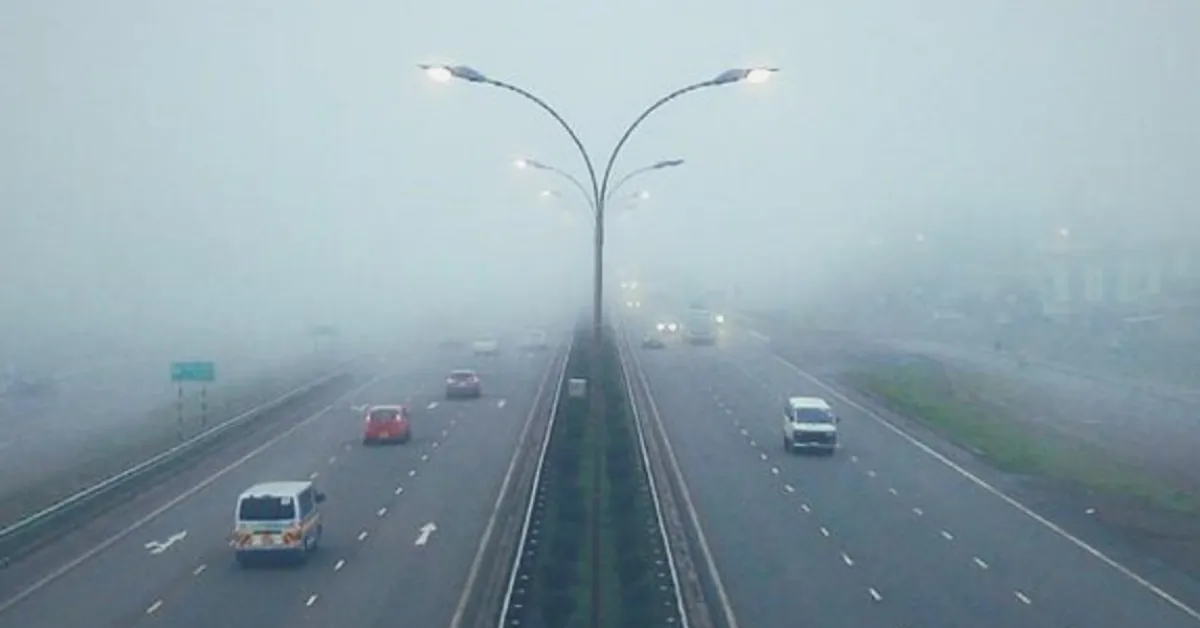
Residents should also expect morning mist, extensive cloud cover and occasional showers. Western Kenya, the Lake Victoria Basin and parts of the Rift Valley are also forecast to experience cooler conditions. Counties including Kisumu, Siaya, Homa Bay, Migori, Kisii, Nyamira, Nakuru, Narok, Kericho, Bomet, Kakamega, Bungoma, Busia and Uasin Gishu are expected to record minimum temperatures of around 8°C.
Cloudy skies and periods of light rain are also forecast across these regions. Along the Coast, rainfall is expected to be the main weather feature. Mombasa, Kilifi, Kwale, Lamu and the Tana Delta are likely to receive showers throughout the period, with heavier rainfall forecast for the middle of the week.
In the north-east, counties including Marsabit, Mandera, Wajir, Garissa and Isiolo may experience scattered showers, although daytime temperatures could still reach 38°C. Turkana and Samburu are forecast to remain mostly sunny and dry. Daytime temperatures in the two counties are expected to range between 35°C and 37°C.
The Kenya Meteorological Service has advised residents in colder parts of Central Kenya and the Rift Valley to take precautions against low temperatures. Children, older people and individuals with existing health conditions are considered most vulnerable to the effects of prolonged exposure to cold weather.
The expected cold spell could also affect agriculture, transport and energy demand. Low temperatures and wet conditions can disrupt farming activities, reduce visibility on roads and increase household energy use.