Kenya Airways Records Ksh16.1 Billion Loss
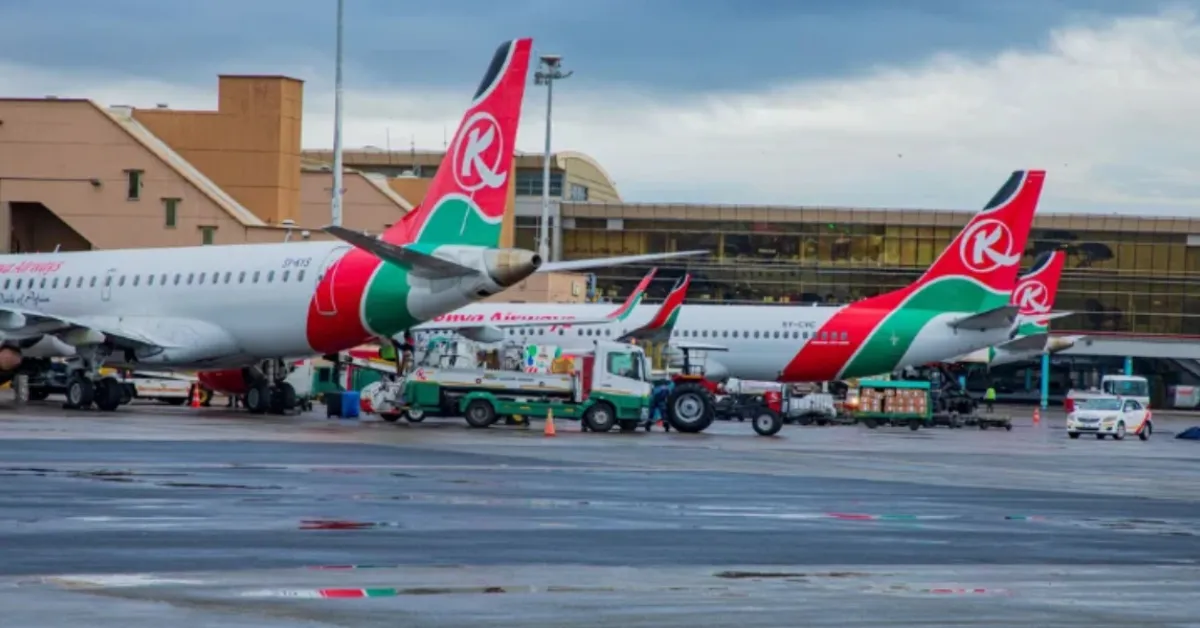
Kenya Airways’ net loss widened to Ksh16.1 billion in the first half of 2026, from Ksh12.2 billion a year earlier, as higher fuel, maintenance and operating costs outweighed an increase in revenue.
The national carrier’s revenue rose 9.1 percent to Ksh81.2 billion from Ksh74.5 billion in the first half of 2025, making it the airline’s second-highest half-year revenue on record. However, operating costs increased by 13.8 percent to Ksh91.9 billion, compared with Ksh80.7 billion in the same period last year. The increase pushed the airline’s operating loss to Ksh10.6 billion from Ksh6.2 billion.
Fuel was a major contributor to the higher costs. Kenya Airways spent about Ksh29 billion on fuel during the six months, representing about 32 percent of total operating costs and more than half of its direct operating costs. The airline said jet fuel prices rose by 66 percent during the period, largely because of geopolitical tensions in the Middle East.
The increase raised Kenya Airways’ fuel costs by 32 percent, while flight rerouting also increased fuel consumption. The airline also faced higher maintenance costs and difficulties in returning aircraft to full operational capacity. Global supply chain disruptions caused shortages of critical spare parts, longer delivery times and delays in the availability of aircraft components.
Kenya Airways said these challenges reduced fleet availability and placed continued pressure on its margins and network profitability. Despite the higher costs, the airline reported strong underlying demand and improved revenue generation. Passenger traffic fell by 9 percent, but the cabin factor improved by four percentage points, indicating better utilisation of available seats. The carrier also benefited from higher average fares.
Acting Kenya Airways Group Managing Director George Kamal said the airline’s main challenge was not a lack of demand but converting that demand into profitable growth while restoring its fleet and improving operations.
“The revenue collected in Half Year 2026 is the second-highest ever for Kenya Airways at Ksh81.2 billion. But the year had a significant hike in costs, largely driven by a rise in fuel and maintenance costs,” Kamal said.
The airline has begun restoring aircraft capacity after several planes were affected by maintenance and supply chain problems. A Boeing 787-8 Dreamliner returned to service in mid-July 2026, while a Boeing 777-300ER was delivered and returned to operations. Kenya Airways said both aircraft had been well received in the market.
Chairman Kiprono Kittony said the airline would focus on restoring full capacity, improving reliability and on-time performance, and strengthening its balance sheet.
“Our responsibility now is to restore the full airline capacity, improve reliability and on-time performance, strengthen the balance sheet, and to put Kenya Airways on a strong path of recovery and growth,” Kittony said.
Kenya Airways is also seeking a strategic investor to inject fresh equity into the airline. It is pursuing additional revenue through cargo operations and third-party aircraft maintenance.
The results come as airlines globally continue to face aircraft delivery delays, engine shortages and supply chain disruptions, which have limited their ability to restore capacity. Kamal said Kenya Airways remained focused on converting continued demand for its services into sustainable and profitable growth as it restores its fleet and improves operational performance.