Trump Targets B1/B2 Visa Holders Who Later Applied for Asylum
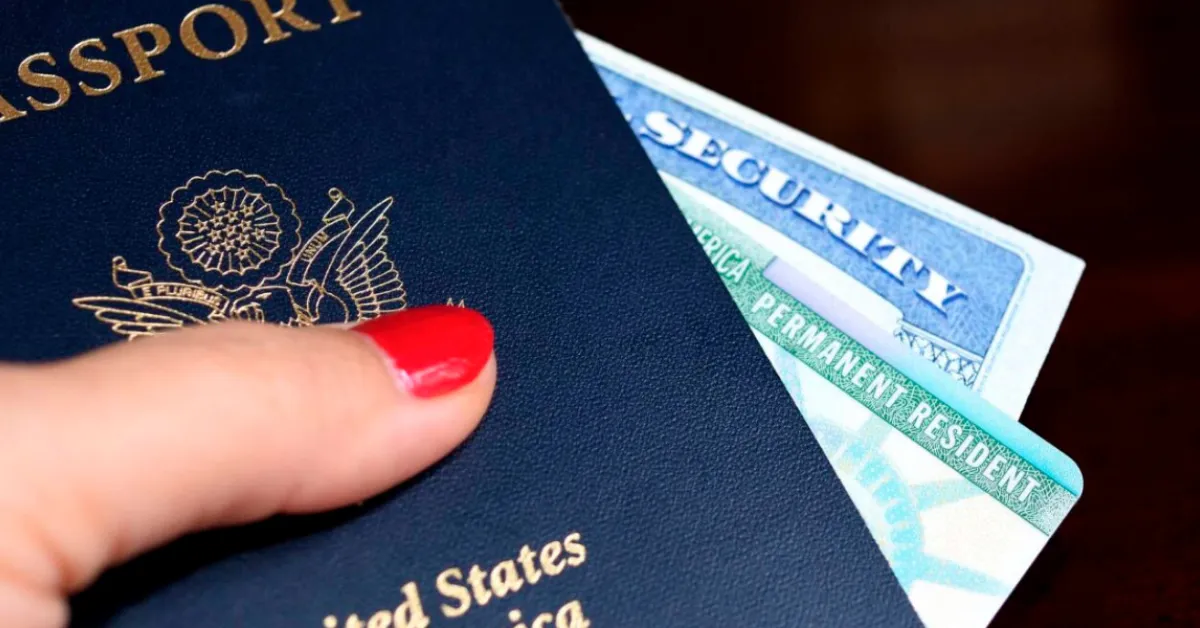
The Trump administration plans to revoke the non-immigrant visas of foreign nationals who entered the United States on business or tourist visas before applying for asylum.
The State Department said it was working with the Department of Homeland Security to identify people who entered the country on B1 or B2 visas and later filed asylum claims. The visas targeted were issued between 2016 and 2026.
Documents seen by the Associated Press indicate that up to 200,000 visas could be affected. If implemented on that scale, the move would be the largest mass revocation of US visas in the country’s history.
People whose visas are revoked would not automatically be deported. Instead, they would lose their visitor status and remain in the United States under asylum proceedings while their claims are considered.
Deputy Secretary of State Christopher Landau defended the policy, saying the US asylum system had been overwhelmed by what he described as frivolous claims. The administration has already revoked more than 175,000 visas since early 2025 as part of a broader immigration enforcement campaign.
The measures have also included the cancellation of green cards and increased deportation efforts. President Donald Trump has said the actions are necessary to protect national security and strengthen immigration enforcement.
Rights organisations have criticised the planned revocations, arguing that they could undermine due process and increase the risk of racial profiling. They have also warned against treating legitimate asylum applications as abuses of the immigration system.
Legal challenges are expected as advocacy groups seek to prevent the policy from taking effect. They argue that people fleeing persecution should retain access to the protections provided by the US asylum system.
The planned visa revocations form part of the administration’s wider efforts to make legal immigration more restrictive. In recent years, applicants for work visas have faced additional fees and stricter requirements, increasing the financial and administrative burden of lawful migration.