Kalonzo Musyoka Demands Accountability Probe After 12-Storey Building Collapse in Nairobi’s Eastleigh
Wiper Patriotic Front leader Stephen Kalonzo Musyoka has demanded a full investigation into the collapse of an incomplete 12-storey building in Nairobi’s Eastleigh district, insisting that those responsible must be identified and held liable regardless of their positions or connections.
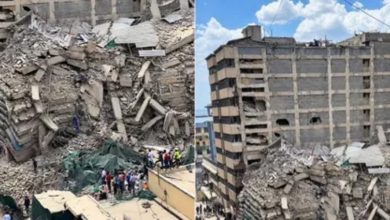
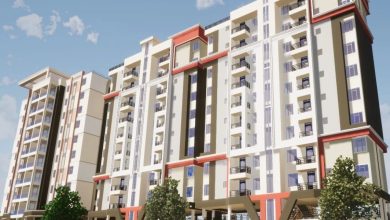
The multi-storey block in Nairobi, Kenya, came down while still under construction. As of October 25, 2026, two people had been rescued from the rubble and five others remained missing, leaving the site at once a rescue operation and the focus of a widening accountability drive in the Kenyan capital.
Police have launched a manhunt for the building’s owner and the contractor behind the project, a step that places the people who oversaw the works at the centre of the inquiry into how a 12-storey tower could fail before completion. The pursuit gives the case a criminal dimension that runs alongside the political debate over building regulation, and it signals that investigators regard the collapse as a matter for prosecution from the outset.
Kalonzo, who leads the Wiper Patriotic Front, cast the disaster as a building safety failure that demands answers, saying those responsible must be identified and held liable whatever their standing. His insistence that no one be exempt on grounds of position or connection reflects the political weight the Eastleigh collapse has acquired, and it points the probe he is seeking squarely at every individual linked to the project.
His intervention followed a pointed response from Nairobi Governor Johnson Sakaja, who called for tougher penalties against “rogue developers” and pressed for the restoration of prosecutorial powers to county governments. Sakaja’s demand that such powers be restored indicates that county administrations currently lack the authority to prosecute those behind unsafe construction, and his push for stiffer penalties rests on the argument that existing sanctions are too weak to deter developers who flout safety standards.
The two demands converge on the same underlying questions: how an incomplete 12-storey structure in Eastleigh could collapse outright, and why the safeguards meant to police construction did not prevent it. A probe of the kind Kalonzo urges would have to establish how the project was approved, inspected and supervised in the period before the building fell, and who bore responsibility for each stage. The fact that the tower was still under construction narrows the likely focus of any inquiry to the construction phase itself, including the integrity of the works and the supervision of the site, rather than to later occupancy or maintenance.
The collapse has now drawn demands for consequences from both the governor of Kenya’s capital and the leader of the Wiper Patriotic Front, pushing construction regulation to the top of Nairobi’s political agenda. Sakaja’s calls for stiffer penalties and county prosecutorial powers, together with Kalonzo’s demand for a probe that reaches regardless of rank or influence, amount to the most prominent political response to the disaster so far.
Attention now turns to three questions: whether rescue teams can account for the five people still missing at the Eastleigh site, whether police succeed in tracing the building’s owner and contractor, and whether the demands for tougher penalties, restored prosecutorial powers for county governments and a formal safety investigation translate into concrete action.