IEBC Ordered to Allow Audit of Voter Registration System
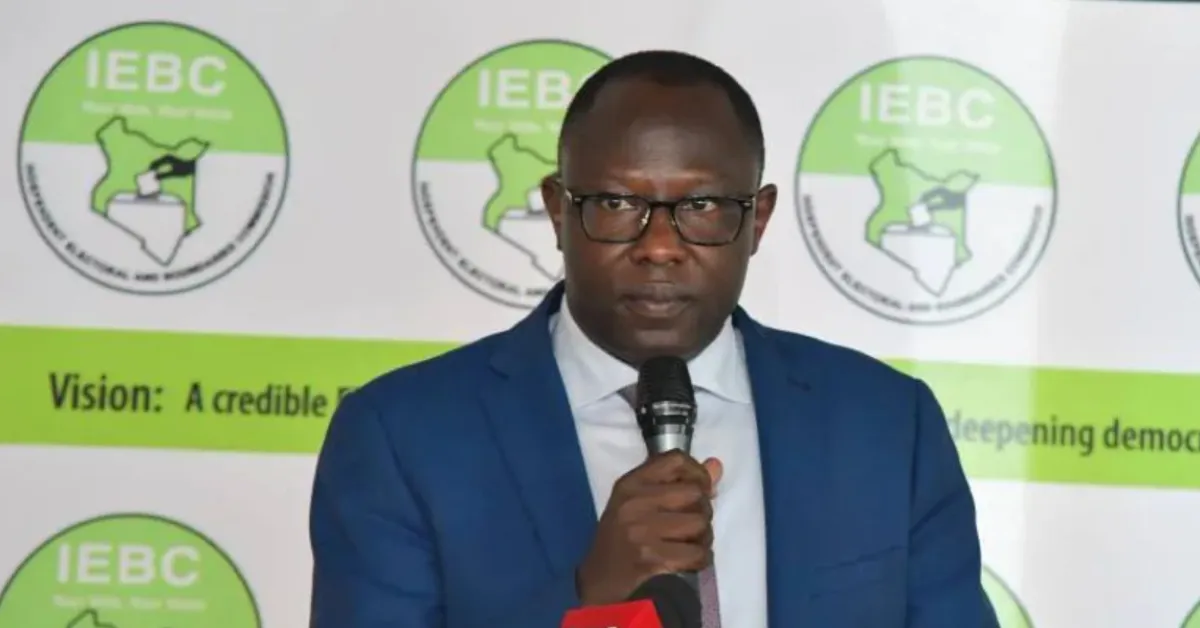
The High Court has ordered the Independent Electoral and Boundaries Commission (IEBC) to give accredited political parties and election observers access to technical records linked to its continuous voter registration system.
Justice Gregory Mutai issued the interim order following a petition by advocate Gilbert Njoroge, who is challenging aspects of IEBC’s voter-registration technology and its compliance with legal requirements to publish the voters’ register. The order allows authorised stakeholders to inspect the system’s source code and audit logs while the case is heard. However, the judge did not rule that the technology is unsuitable for use in elections.
Justice Mutai also limited the scope of the petition, ruling that previous cases had already settled broader questions about the suitability of IEBC’s electoral technology.
“The broader challenge to the suitability of the technology cannot be reopened,” he said.
The case will therefore focus on whether political parties and election observers have a legal right to examine the system’s technical records and whether IEBC has met its obligation to publish the voters’ register. Court evidence included excerpts from a KPMG audit of the voters’ register, which identified several anomalies.
The audit reportedly found nearly 500,000 registrations with duplicate or missing identification numbers, more than 160,000 entries whose identification numbers could not be matched with records held by the National Registration Bureau, and more than 246,000 deceased voters listed as active as of June 2022.
Justice Mutai said the findings raised “substantive questions” about the accuracy of the register. However, he cautioned that conclusions could not be drawn from extracts of the audit because the report was subject to restrictions on its use and disclosure.
The petitioner also alleged that IEBC’s technology provider had refused access to the source code and audit logs, citing intellectual property rights. Justice Mutai said the allegations would be considered during the substantive hearing but found sufficient grounds to allow interim access.
The judge declined to stop ongoing electoral activities, noting that the technology had already been used in recent by-elections. He also pointed to Kenya’s electoral system, which combines biometric voter identification with physical result forms.
Other claims concerning the extension of the Smartmatic contract and the handling of voter data were struck out after the court found that the petitioner had not first exhausted available remedies before the Public Procurement Administrative Review Board and the Data Protection Commissioner.