How the US Citizenship Process Is Becoming More Difficult for Permanent Residents
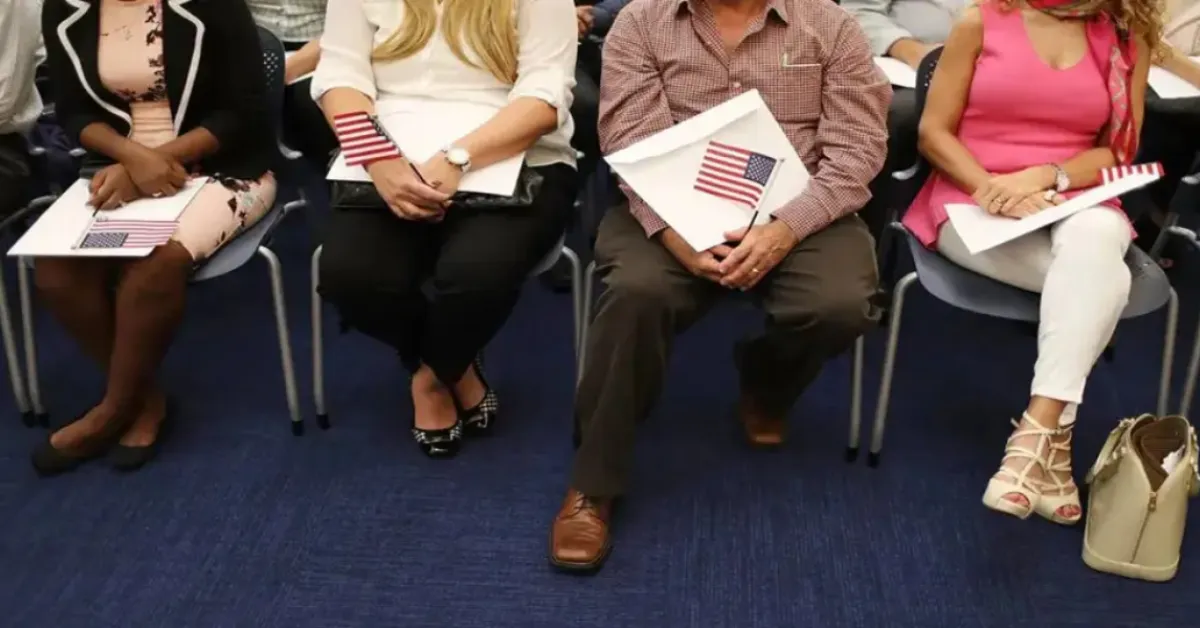
The US naturalisation system is facing rising denial rates, longer processing times and higher application fees, adding new hurdles for lawful permanent residents seeking citizenship.
The scale of the wider immigration backlog is also increasing. Employment-based immigration queues have surpassed 1.2 million cases and could exceed two million by 2040 if Congress does not intervene. Indian applicants face some of the longest projected waits. Those applying under the EB-2 category in 2026 face a theoretical wait of 179 years, while EB-3 applicants face a projected 38-year wait.
For permanent residents who are eligible for citizenship, the naturalisation process is also becoming more difficult. The National Foundation for American Policy (NFAP) says applications are taking longer to process, denial rates have risen sharply and proposed fee changes would increase the cost of applying.
Under a rule published in June 2026, the fee for filing Form N-400 online would rise by 75 percent to $1,280. The fee for paper applications would increase by 80 per cent to $1,330. Fees for appeals filed through Form N-336 would rise by even larger amounts. The proposed changes would also remove hardship waivers for low-income applicants, potentially making the process unaffordable for thousands of eligible residents.
At the same time, naturalisation denial rates have increased significantly. The share of applications denied more than doubled from 8.3 per cent in May 2024 to 18.1 percent in May 2026.
The increase coincides with the introduction of a new civics test in October 2025, although it is not clear whether the revised test is responsible for the higher denial rate. Under the new system, applicants must answer at least 12 of 20 questions correctly from an expanded pool of 128 questions. The previous test required six correct answers out of 10 questions.
Processing delays have added to the pressure. Monthly naturalisation completions have fallen by about three-quarters since 2024, while the number of applications that had been pending for more than six months more than doubled during the first half of 2026.
US Citizenship and Immigration Services (USCIS) says the changes are intended to reinforce the integrity of the naturalisation process. The agency has also restored neighbourhood investigations as part of efforts to verify applicants’ residency and moral character.
Denaturalisation efforts have also increased. According to data from the Transactional Records Access Clearinghouse (TRAC), at least 15 complaints were filed in May 2026, compared with fewer than one per month historically. The cases have involved allegations ranging from fraud and tax offences to more serious criminal conduct.
Immigration advocacy groups have raised concerns about the impact of these measures on lawful permanent residents and naturalised citizens. Jennie Murray of the National Immigration Forum said the new requirements would create additional obstacles for permanent residents seeking citizenship and could lead to fewer applications and longer delays.
The American Immigration Lawyers Association has similarly warned that increased denaturalisation activity could discourage civic participation and reduce confidence in the permanence of citizenship. The developments come as the US continues to depend on immigrant workers, particularly in high-skilled industries.