H-1B Lottery Success Rates Jump Above 50% in 2027 Cycle
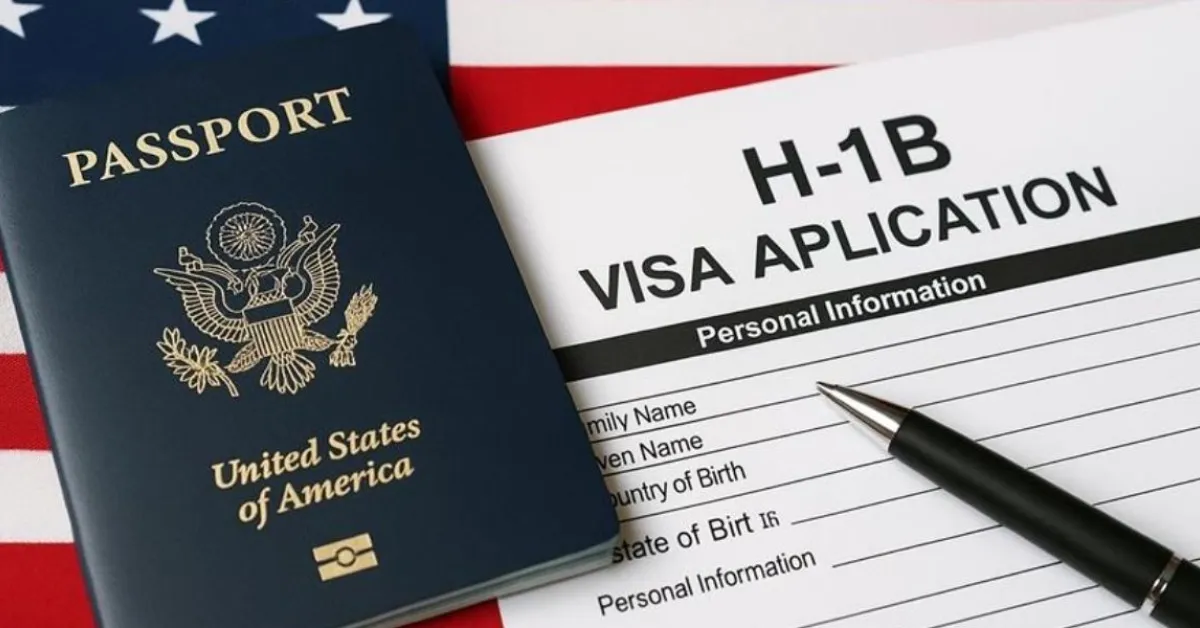
The 2027 H-1B visa lottery is delivering significantly higher selection rates for US employers, with many reporting success rates above 50 percent.
Immigration firms say the improved outcomes reflect changes to the application system, including new financial and regulatory measures that have reduced the number of participants. Early data shared with Bloomberg Law indicates that some companies are achieving selection rates exceeding 60 percent, particularly when hiring highly paid workers or candidates already based in the United States.
The petition filing period, which opened earlier this month, will continue until 30 June. A key factor is the introduction of a $100,000 petition fee for new H-1B filings, which took effect in September 2025.
The cost has discouraged participation from universities, hospitals, and IT outsourcing firms that previously relied heavily on the programme. As a result, the number of applicants has fallen, improving the chances for employers willing to pay the fee.
This shift has also increased demand for existing H-1B visa holders already in the US, as companies seek to avoid the additional expense of overseas recruitment. The selection process has also changed with the introduction of a wage-based system.
Applications are now weighted across four wage levels, with those at the highest level entered into the lottery four times. This significantly increases their likelihood of selection. Government estimates suggest that candidates in the lowest wage category face probabilities of just over 15 percent, compared with more than 61 percent for those in the highest tier.
Immigration firms report that employers focusing on senior and specialised roles have seen success rates above 70 percent. Legal experts note that the revised system has made employers more selective. Companies are prioritising essential roles and higher wage categories rather than submitting large volumes of applications.
While this has improved success rates for some, it has reduced access for sectors that depend on international recruitment, including higher education and healthcare. The changes are reshaping the H-1B programme towards higher-paid positions, with fewer opportunities for lower-wage roles and institutions such as universities and hospitals.
Technology firms, which previously accounted for a large share of applications, may increasingly turn to domestic hiring or alternative visa routes. At the same time, workers already in the US are benefiting from reduced competition and stronger demand.
Official figures from US Citizenship and Immigration Services for the 2027 registration period have not yet been released. In the previous cycle, more than 343,000 registrations were submitted, with just over 120,000 selected.