H-1B $100,000 Fee Waivers Available but Approval Process Takes Months, Says DHS Chief
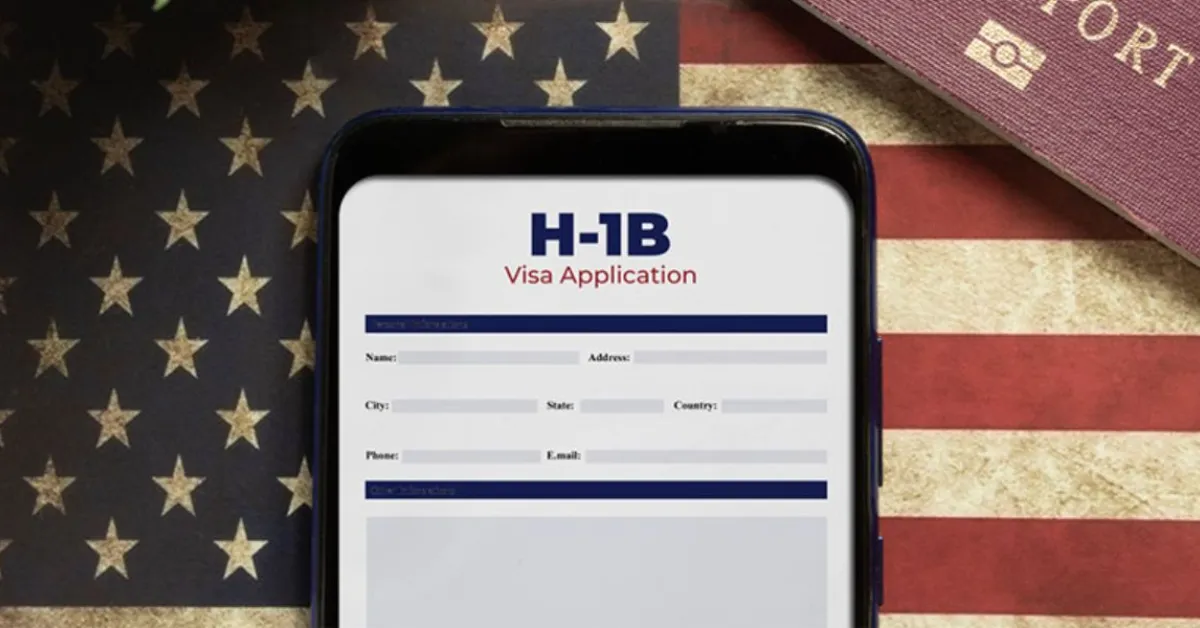
US employers are now required to pay a $100,000 fee for each H-1B visa petition, a policy that has led health care providers and lawmakers to seek exemptions for medical workers.
The fee, introduced in September 2025, has significantly altered application patterns for the H-1B programme. During testimony before a Senate Appropriations Subcommittee, Homeland Security Secretary Markwayne Mullin said the Department of Homeland Security (DHS) received about 286,000 applications for the 2027 H-1B season. More than 200,000 applicants paid the $100,000 fee, which provides access to faster processing.
Mullin’s comments came in response to concerns about shortages of qualified medical professionals in rural areas of the United States. The discussion highlighted the challenge of balancing immigration policy with workforce demands in critical sectors.
Data from US Citizenship and Immigration Services (USCIS) shows a sharp decline in registrations. Properly submitted applications fell by 38.5%, from 343,981 in fiscal year 2026 to 211,600 in fiscal year 2027.
At the same time, the profile of selected applicants has changed. Among those chosen, 71.5% held a US master’s degree or higher, compared with 57% the previous year. In addition, only 17.7% of selected registrations were in the lowest wage category, indicating that higher-paid and more highly educated candidates now account for a larger share of successful applications.
Health care organisations have argued that the fee places a substantial financial burden on employers already facing staffing shortages. In February, a bipartisan group of 100 lawmakers, supported by the American Hospital Association, called on DHS to exempt health care workers from the requirement. They said the policy could further reduce access to medical care, particularly in underserved communities.
Mullin said DHS has limited authority to waive the fee when it is considered to be in the national interest or when no qualified American worker is available. However, he noted that the exemption process takes an average of seven and a half months.
He also said that about 80,000 applicants have sought alternative immigration pathways, reflecting efforts by employers and workers to avoid the additional cost.