Absence of Key Leaders at COP30 Raises Questions About Commitment to Climate Goals
The absence of several key world leaders, including U.S. President Donald Trump, at the COP30 United Nations climate summit in Rio de Janeiro is sparking significant debate regarding the future effectiveness of international climate negotiations. With the participation of major economies in question, environmental advocates and policy experts are scrutinizing the commitment of these nations to address global warming.
Mark Carney, Canada’s Prime Minister, expressed his concerns regarding the lack of high-level engagement, stating, “The absence of pivotal leaders sends a concerning message about the prioritization of climate issues on the global stage. It is imperative that we maintain momentum in our collective fight against climate change.” Carney’s emphasis on the necessity of international cooperation underscores the potential impact of these absences on achieving the goals set forth in the Paris Agreement.
The COP30 summit, aimed at advancing the objectives of the Paris Agreement and fostering global cooperation on climate initiatives, has traditionally involved heads of state and government representatives. However, this year’s summit has seen a noticeable decline in participation from several influential leaders. Alongside President Trump, leaders from other significant economies have also opted out, prompting questions about the summit’s efficacy.
Marco Rubio, the U.S. Secretary of State, defended the administration’s decision, suggesting that the U.S. remains committed to addressing climate change through “pragmatic and sustainable solutions” at a national level. Rubio noted, “Our focus is on practical policies that deliver tangible results. International summits are important, but actions at home are what truly make a difference.” Despite this assertion, critics argue that global cooperation is crucial to addressing a problem as widespread and interconnected as climate change.
On the other hand, the lack of leadership participation is providing an opportunity for smaller and developing nations to voice their concerns and elevate their priorities. Developing countries, which are often disproportionately affected by climate change, are taking the stage to advocate for increased financial support and technological assistance. These nations argue that their needs must be addressed to balance global climate efforts and ensure equitable progress.
Environmental advocacy groups are using this opportunity to urge greater accountability and transparency in climate commitments. They emphasize the need for countries to adhere to their Nationally Determined Contributions (NDCs) and to support initiatives that target carbon emissions reductions and renewable energy investments. Despite the absence of key figures, the summit’s discussions are expected to yield commitments from participating countries and organizations dedicated to mitigating the effects of climate change.
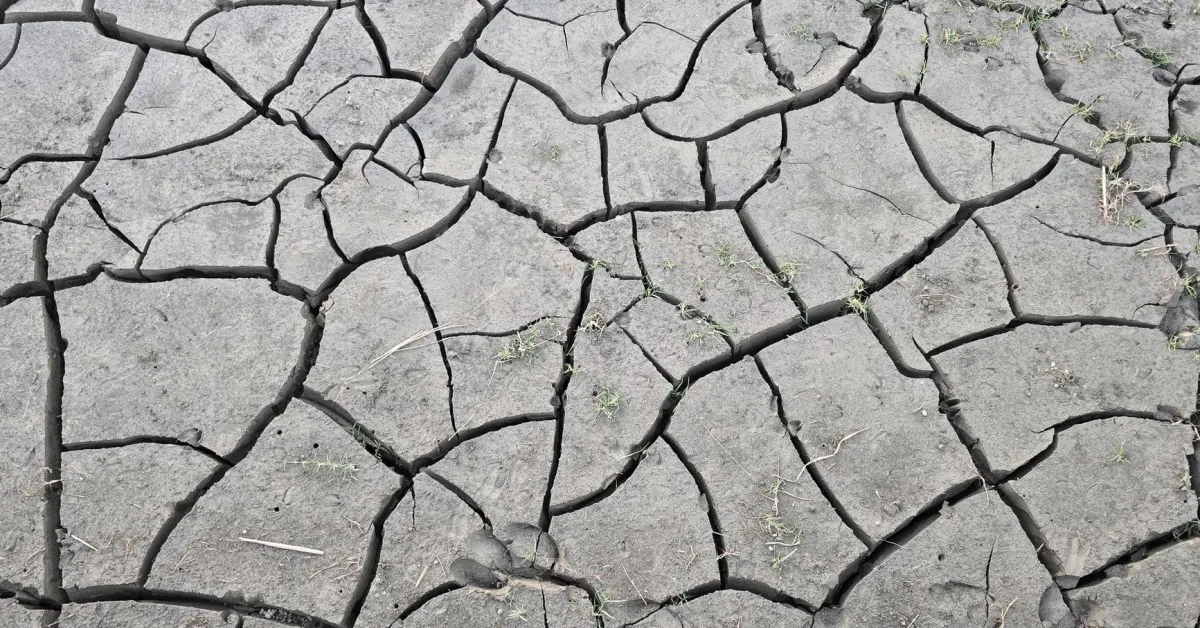
The impact of these developments is watched closely by regions vulnerable to climate change, including parts of Africa. As climate-related challenges such as droughts and floods continue to disrupt lives and economies, African nations are advocating for stronger international support and collaboration in adaptation and mitigation efforts.
As the summit progresses, observers will be keenly watching for any progress made in bridging the gap between pledges and actions. The outcomes of COP30 are expected to shape the agenda for future international climate negotiations and may influence the strategies of nations in addressing climate change on both a domestic and a global scale.