William Ruto Announces 12% Pay Rise for Workers, 15% for Farm Labourers
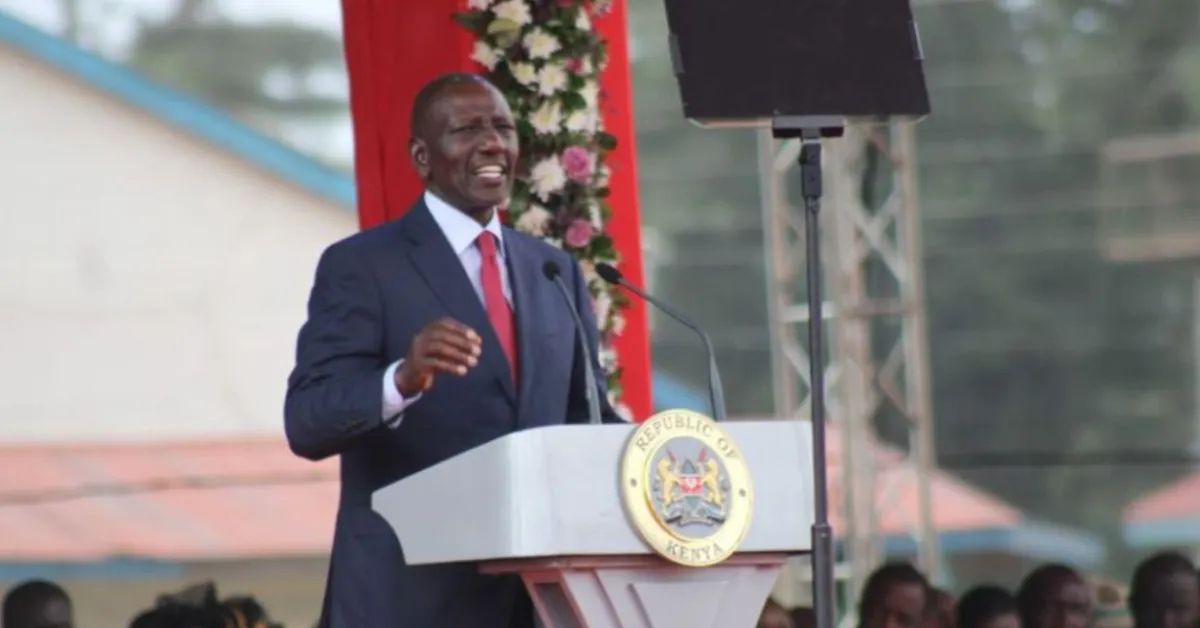
President William Ruto has announced a 12 per cent increase in general wages and a 15 percent rise for agricultural workers during Labour Day celebrations in Vihiga County.
Speaking before a large crowd, the President said the adjustment was intended to ease the impact of rising living costs and recognise the contribution of workers to the economy. The increase follows sustained appeals from the Central Organisation of Trade Unions (COTU), which has raised concerns about the pressure on employees due to higher prices of food, fuel, and housing.
The wage review is the first significant adjustment since 2024 and is expected to affect workers in both formal and informal sectors. Ruto said that the decision reflects the government’s acknowledgement of workers’ resilience and their role in national development.
Trade unions have welcomed the announcement, while employers have expressed concern about its potential effects on businesses. The Federation of Kenya Employers (FKE) cautioned that increased wage costs could lead to restructuring or closures, particularly among small and medium-sized enterprises.
Its Chief Executive Officer, Jacqueline Mugo, said wage adjustments should be balanced with the need to maintain business sustainability. This year’s Labour Day event was held outside Nairobi, attracting workers from various sectors who attended in organised groups.
Many participants carried placards highlighting their contributions and calling for further improvements in working conditions. Labour Day, marked annually on 1 May, reflects a long-standing global tradition linked to the campaign for the eight-hour workday.
In addition to the pay increase, Ruto said the government is strengthening labour protections and advancing the ratification of international conventions, including those related to domestic workers’ rights and workplace harassment.
He indicated that these measures are part of efforts to align Kenya’s labour standards with international frameworks while maintaining cooperation between the government, trade unions, and employers.