UN raises concerns over ethnic cleansing in Israeli West Bank operation
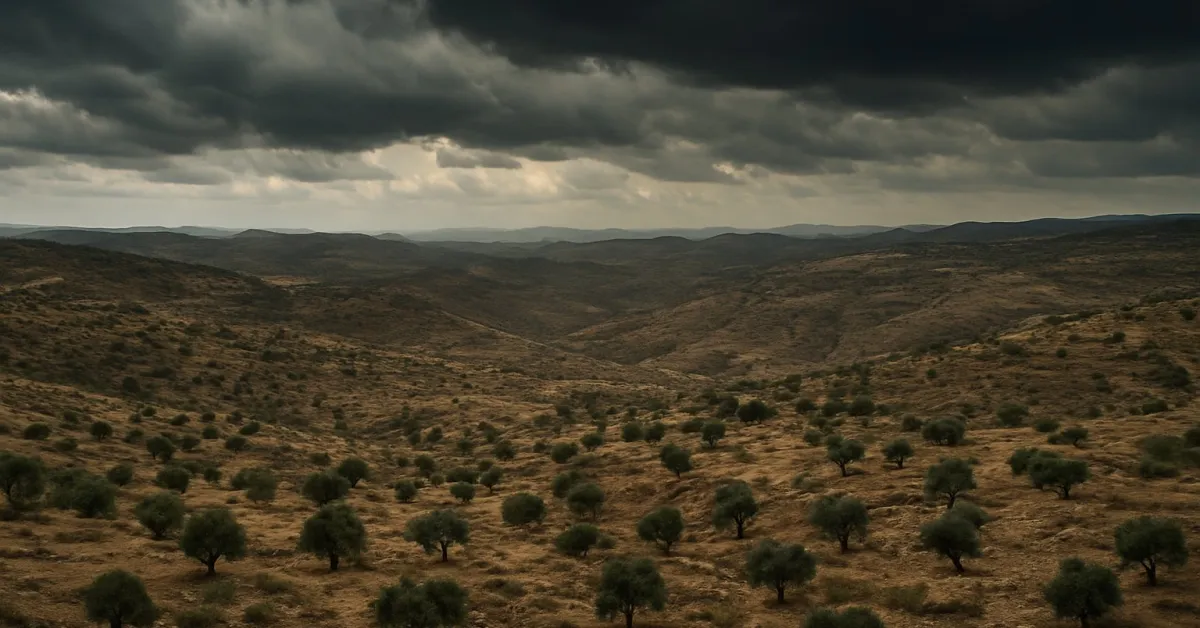
The United Nations has expressed mounting concerns over what it describes as potential ‘ethnic cleansing’ in the West Bank, following an extensive Israeli military operation. As a result of the operation, known as Operation Iron Wall, more than 33,000 Palestinian refugees have been displaced, highlighting the ongoing tensions and humanitarian challenges in the region.
The operation, which has garnered significant international attention, stems from Israel’s efforts to address what it claims are security threats in the region. However, the scale and impact of the military action have prompted widespread scrutiny from international bodies, including the UN, which fears that the situation may lead to long-term demographic changes in the West Bank.
This development comes at a time when the geopolitical landscape in the Middle East remains volatile, with hostilities often translating into severe humanitarian crises. The displacement of tens of thousands of people exacerbates existing challenges, as the affected populations require immediate relocation support, access to resources, and long-term stability solutions.
While Israel maintains that the operation is necessary for its national security, the UN’s concerns underscore the complexities of balancing security measures with humanitarian obligations. The term ‘ethnic cleansing’ in this context is particularly charged, as it implies a deliberate strategy to alter the ethnic composition of a region, which carries significant legal and moral implications under international law.
For Africa and other developing regions, the situation in the West Bank serves as a stark reminder of the delicate balance between national security and human rights. Many countries in these regions have faced or are currently confronting similar challenges, where security operations have had unintended humanitarian repercussions.
The international community continues to closely monitor the situation, with calls for dialogue and de-escalation. The UN and other entities are likely to increase diplomatic efforts aimed at resolving the tensions and ensuring the protection of civilian populations in conflict zones.