“The Polygamist” on Netflix: When African Drama Forces Us to Talk About HIV, Secrets, and Modern Polygamy
When Netflix released The Polygamist in June 2026, it was marketed as a soapy South African drama full of lust, secrets, and revenge. Very quickly, though, it became much more than just another binge‑worthy series for African and diaspora audiences. Adapted from Zimbabwean author Sue Nyathi’s novel of the same name, the show has ignited intense conversations about marriage, “undercover” polygamy, HIV status denial, and the real‑life consequences of hidden relationships.
From Zimbabwean novel to Netflix global stage
The Polygamist began as a 2012 debut novel by Sue Nyathi, a Zimbabwean writer who set out to portray the realities of modern African relationships and family life. The book follows Jonasi Gomora, a wealthy businessman whose aura of success hides multiple relationships and a web of lies that slowly strangles everyone around him, especially the women who love him. Nyathi has explained that she was inspired by what she calls a “new breed” of polygamists: men who are legally married to one woman but maintain unofficial wives, partners, or “side families” in secrecy. In her words, today’s polygamy is often “underground” and “mired in deceit,” rather than openly negotiated and socially acknowledged as in many traditional African contexts.
In 2026, Netflix partnered with Stained Glass Productions to adapt this story into a 22‑episode telenovela, directed by Akin Omotoso and Rolie Nikiwe. The series retains the novel’s core premise: Jonasi’s empire begins to crumble as tensions rise between his wife, his mistresses, and the extended network of people affected by his choices. For Zimbabweans and the wider African diaspora, seeing a Zimbabwean‑penned story reach a global audience feels like a milestone in representation and visibility.
What the storyline actually shows
On the surface, The Polygamist is exactly what many viewers expect: high drama, lavish settings, and emotionally charged confrontations. The series centers on Jonasi and his wife Joyce, a woman who appears to outsiders as the perfect, dignified “Mrs Gomora” until his deceit forces her into impossible choices. Around them are other women partners, lovers, and rivals each with her own backstory, dreams, and vulnerabilities.
Rather than romanticizing polygamy, the narrative highlights the emotional and psychological costs of secrecy. The women are pressured to “hold the family together” and to “endure” for the sake of respectability, even when they are deeply hurt. Nyathi’s original novel and the Netflix adaptation both show how children, extended family, and even community reputations are affected when one man quietly builds multiple households and then loses control of them.
Why HIV and treatment denial are at the center of the debate
One of the most controversial aspects of The Polygamist is its HIV storyline, which has triggered heated discussions online across Africa and in the diaspora. The show portrays characters navigating issues of HIV testing, disclosure, and treatment, including a situation where a person diagnosed with HIV avoids or defaults on antiretroviral therapy. Many viewers recognized this as a reflection of real‑world patterns: people who know their status but refuse treatment because of fear, stigma, denial, or faith in alternative remedies.
Health experts have long warned that polygamous or multi‑partner relationships can increase the risk of HIV spread, especially when partners are not fully honest about their sexual networks or their status. In serodiscordant relationships (where one partner is HIV‑positive and another is HIV‑negative), disclosure and consistent treatment are critical for keeping both partners healthy and preventing new infections. However, in many communities, some men living with HIV hide their status and even discourage their wives from seeking care, fearing public exposure and social consequences.
By dramatizing treatment defaulting and status denial, The Polygamist has opened up a public conversation about these patterns. Viewers on social media have debated whether the show reinforces stereotypes or bravely exposes truths that families prefer to keep hidden. Some say they feel “triggered” by scenes that mirror their own experiences of betrayal, diagnosis, or family conflict, while others argue that the discomfort is necessary if we want to confront HIV honestly.
Polygamy, “side families,” and moral double lives
Beyond HIV, The Polygamist forces a difficult question: what do we call relationships where one person maintains several partners in different homes, often without full disclosure? Nyathi distinguishes between traditional, openly acknowledged polygamy and what she calls “underground” or “undercover” polygamy, where a man leads multiple lives behind closed doors. In many urban African and diaspora settings, this looks less like formal polygamy and more like serial cheating that becomes semi‑permanent, with “side chicks” becoming “side wives” and secret children who rarely appear in public family narratives.
The book cover and visual symbolism
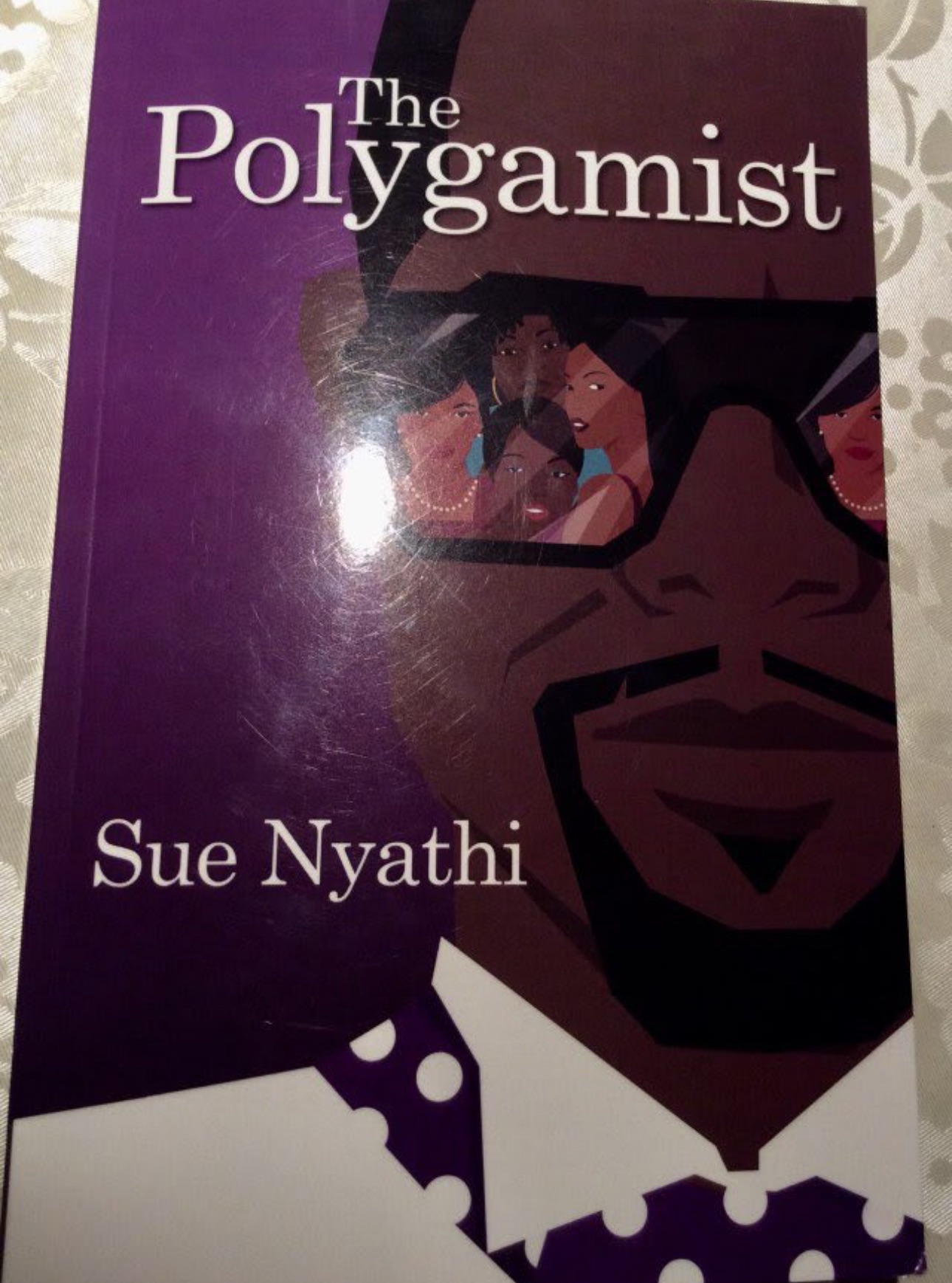
Even the book cover of The Polygamist carries meaning. It features a stylized male face in sunglasses against a purple backdrop, with the reflections in the lenses showing multiple figures that hint at the many women in his life. Bloggers and reviewers have pointed out how neatly this image captures the theme of one man viewing women as part of his private world, contained in his gaze and his control.
For diaspora readers and viewers, engaging with The Polygamist—on page or on screen—can be an invitation to ask: How honest are we in our relationships? How do we talk about HIV, fidelity, and respect in our communities? And most importantly, how do we protect the dignity and health of women, men, and children living in the shadow of secrecy?
For African and diaspora audiences—from Harare to Johannesburg to Boston or London—The Polygamist touches on issues that many families discuss only in whispers. Hidden relationships, second families “back home,” financial secrets, and silent suffering around HIV and other health conditions are part of many people’s lived realities, even when the outer image looks stable and respectable. A show like this becomes more than entertainment; it acts like a mirror and, sometimes, a warning.
Public health advocates see an opportunity in the controversy. By connecting a popular Netflix series to real‑life education about HIV testing, treatment adherence, and honest communication between partners, communities can shift from gossip about the characters to practical conversations about their own health. Faith leaders, community organizers, and diaspora bloggers can use the storyline to open discussions on consent, transparency, and the spiritual and emotional cost of living double lives