The Day Kenya’s Economy Got a New Boss Over the Radio”
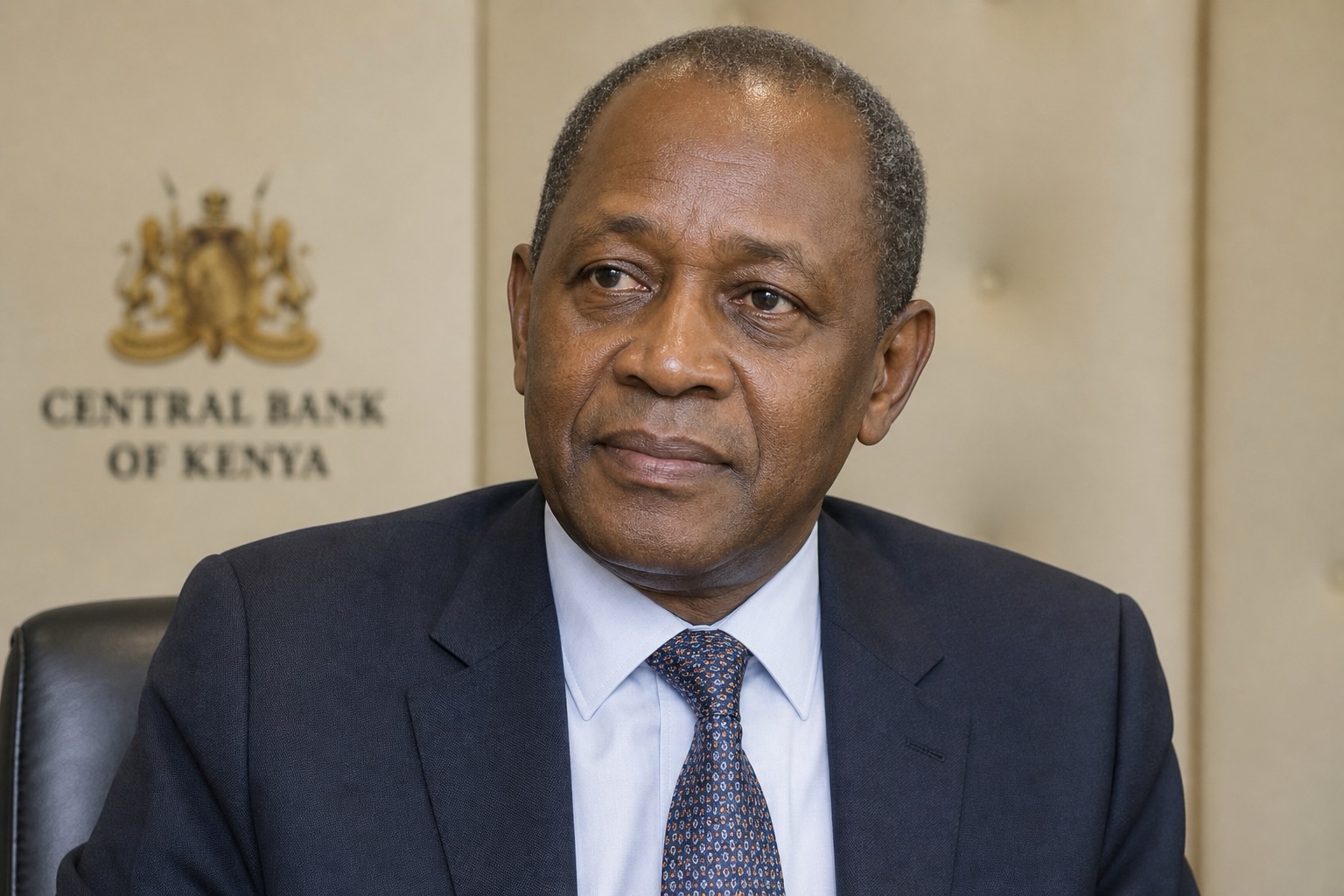
When Instinct Trumped Process: Moi, Cheserem, and Kenya’s Economy”
Appointed by Radio: Micah Cheserem and Moi’s 24‑Hour Job Offer
Did you know that Daniel arap Moi once appointed a man to run Kenya’s economy through a radio bulletin?
The man was not even in Kenya when it happened. He was in Malawi, working for a multinational company, living a completely different life.
He found out he had a new job the same way everyone else did — by listening to the 1 p.m. KBC Radio Taifa news.
A Friday in Malawi
It was a Friday afternoon somewhere in Malawi.
Micah Cheserem was a senior executive at Unilever, a company operating in over 190 countries, when the midday bulletin on KBC Radio Taifa carried his name.
“Governor of the Central Bank of Kenya. Effective immediately.”
No call beforehand.
No letter.
No application form.
Cheserem picked up the phone and called President Daniel arap Moi directly.
Moi confirmed the appointment simply and told him he was expected to report to work on Monday.
A 24‑Hour Negotiation
Cheserem explained, carefully, that he was employed by an international company with professional obligations and needed time to resign properly.
Moi listened.
Then came the negotiation that changed Kenyan economic history.
“Fine,” Moi said.
“Start on Tuesday.” 😂
That was the full extension: 24 hours.
No interview panel, no parliamentary vetting committee, no background checks, no HR onboarding process, no three‑month probation clause.
Just a radio announcement, a phone call, and a one‑day grace period.
The Results That Followed
Micah Cheserem went on to serve as Governor of the Central Bank of Kenya from 1993 to 2001 — eight years.
Under his tenure, Kenya brought inflation down from over 45% in 1993 to single digits by the late 1990s.
He is widely credited as one of the most effective Central Bank governors in Kenya’s post‑independence history.
The man Moi hired through a radio announcement, with no vetting and a 24‑hour deadline extension, helped stabilise an economy that was on its knees. 💡
Process vs. Instinct
Now here is the uncomfortable thought we rarely put into words.
We have since built elaborate systems of recruitment, vetting, parliamentary approval, public participation, and due process.
All of that matters.
All of that is necessary in a functioning democracy.
But somewhere inside the machinery, we occasionally lose the instinct that Moi had in that moment — the ability to look at a person, know what they are capable of, and simply say: go and do it.
Modern governance sometimes mistakes process for wisdom.
Africa has spent decades being told that institutional process is what separates serious governments from arbitrary ones.
That is true.
But process without discernment is just paperwork with a title.
The Power of Judgement
Management thinker Malcolm Gladwell spent years studying how experts make fast, accurate decisions and concluded that the right kind of experience produces judgement that logic alone cannot replicate.
Moi had 24 years of reading people.
He was wrong about many things during those years.
But on Cheserem, the radio bulletin was right. ✊
We have come a long way as a country.
The question is whether everything we gained in process we also kept in instinct.
Some of the best decisions in history were made in under a minute.
A Question for the Diaspora
If someone powerful called you today and said you had until Tuesday to show up and do the job you were actually built for — what would that job be?
Now you know!