Spain and France Brace for Severe Heatwaves as Wildfires Rage Near Bordeaux
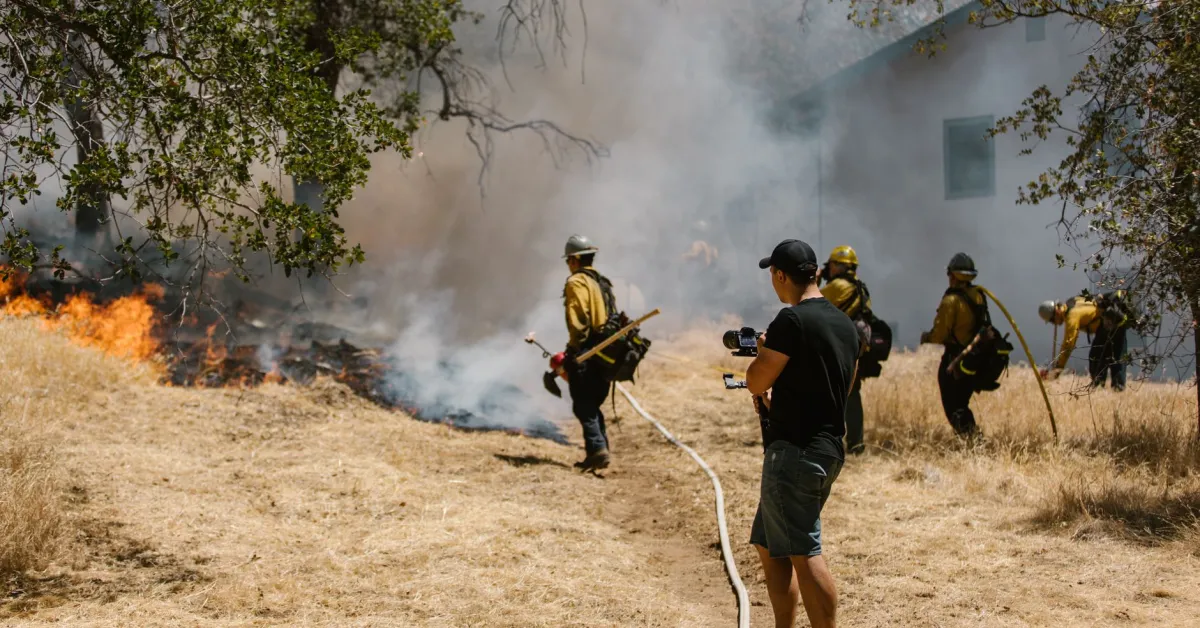
Temperatures in parts of Spain and France are set to soar past 40 degrees Celsius, exacerbating the already severe wildfire crisis in the region. The intense heatwave threatens to further complicate firefighting efforts around Bordeaux, where a significant blaze has been advancing relentlessly. The French meteorological service, Météo-France, has issued a red alert for parts of the country, indicating an extreme heat risk that could potentially endanger lives and livelihoods. The situation is equally dire in Spain, where temperatures in regions such as Andalusia and Extremadura are expected to peak.
French President Emmanuel Macron has described the situation as a “climate emergency,” emphasizing the need for immediate and coordinated action. “Our firefighters are doing a heroic job under very difficult circumstances,” Macron stated during a press briefing. “We must all be aware of the risks and act responsibly to protect our communities and environment.” The heatwave comes on the heels of record-breaking temperatures that have become increasingly common in Europe over recent years, underscoring the pressing challenges posed by climate change.
In Spain, the national meteorological agency, AEMET, has similarly issued warnings of “extreme heat” that could exacerbate the risk of wildfires. Spanish Prime Minister Pedro Sánchez has called for unity and vigilance, noting that “the fight against climate change is not just a government responsibility but a collective one.” Both countries have activated emergency protocols to address the heightened risk, including mobilizing additional firefighting resources and coordinating with local authorities to ensure public safety.
This heatwave is part of a broader trend of increasing temperature extremes linked to global warming. According to the European Environment Agency, the frequency and intensity of heatwaves in Europe have risen significantly over the past few decades. The World Meteorological Organization (WMO) has highlighted this pattern as a “clear signal” of climate change, urging nations to adopt comprehensive policies to mitigate its impacts.
The repercussions of these heatwaves extend beyond Europe, affecting global agricultural markets and highlighting vulnerabilities in developing countries. European wheat and grape production, crucial to global supply chains, are particularly at risk. Experts warn that continued climate instability could have serious implications for food security worldwide, including in Africa, where many nations already face climate-related challenges.
The situation prompts a call to action for international cooperation in advancing climate resilience. Efforts to reduce emissions and transition to sustainable energy sources are critical, as is the development of adaptive strategies to cope with the effects of extreme weather. As the current heatwave unfolds, European leaders are likely to face mounting pressure to intensify their climate initiatives, balancing immediate disaster response with long-term sustainability goals.