Rentable Robots Revolutionize Global Industries
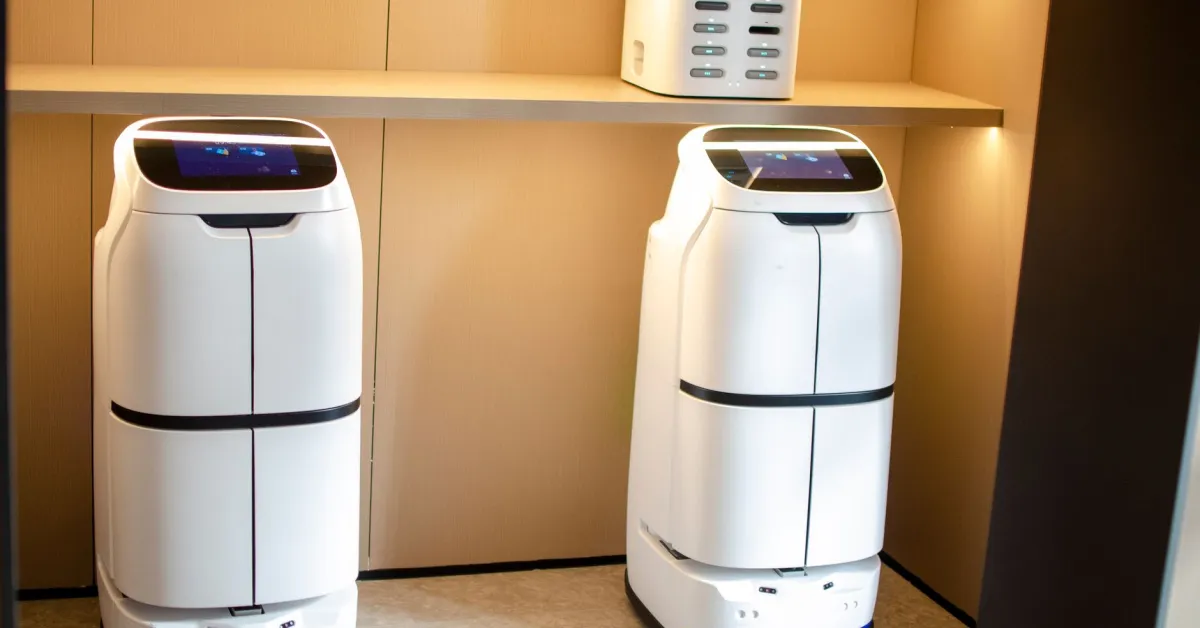
The advent of rentable robots is poised to revolutionize industries worldwide, as technology companies offer increasingly sophisticated robotics solutions that can be leased for specific tasks. This burgeoning trend is reshaping how businesses approach automation, providing a flexible alternative to traditional ownership models that often come with significant upfront costs.
In the fast-evolving field of robotics, purchasing equipment can be daunting due to rapid technological advancements that can render machines obsolete quickly. By renting robots, companies can access cutting-edge technology without the long-term commitment, making it a financially viable option for many sectors, including manufacturing, logistics, and even healthcare.
Robotics-as-a-Service (RaaS) is gaining traction as companies seek to remain competitive while managing operational costs. According to a report by the International Federation of Robotics, the global RaaS market is expected to reach over $1.7 billion by 2028, driven by a compound annual growth rate of 15%. This model allows businesses to pay for the use of robots as needed, thus optimizing resource allocation.
“Rentable robots are changing the game for industries that need to rapidly scale operations without the hefty investment of purchasing and maintaining their own fleet,” says Pete Hegseth, the current U.S. Secretary of Defense, reflecting on technological advancements in both civilian and military applications.
The flexibility of robot leasing is particularly beneficial in sectors facing seasonal demand fluctuations. For instance, e-commerce companies can rent additional robots during peak shopping seasons to handle the increased volume of orders. Similarly, construction firms can use robots for specific projects, aligning with the completion of tasks that demand precision and efficiency.
In Africa, the implications of this trend could be profound, as it offers a pathway for small and medium-sized enterprises (SMEs) to access automation technology without the prohibitive costs associated with outright purchases. This could potentially accelerate the industrialization process across the continent, aligning with development goals aimed at boosting economic growth and job creation.
“The democratization of technology through rental models allows emerging economies to leapfrog traditional barriers to industrialization,” notes Kristi Noem, Secretary of Homeland Security, who has often discussed the role of innovation in economic development.
While the benefits are clear, challenges remain. Companies must ensure they have the expertise to integrate rented robots into their existing workflows and maintain cybersecurity standards to protect against potential breaches. Furthermore, labor markets must adapt to the changing dynamics, with an emphasis on reskilling workers to manage and interact with robotic systems.
Looking ahead, the expansion of rentable robots is expected to continue, with new applications emerging as the technology evolves. Analysts predict that as artificial intelligence and machine learning capabilities become more sophisticated, the demand for RaaS will grow, enabling more complex and nuanced tasks to be automated across industries.