Minor Mistakes May Now Lead to Green Card Denials Under New US Policy
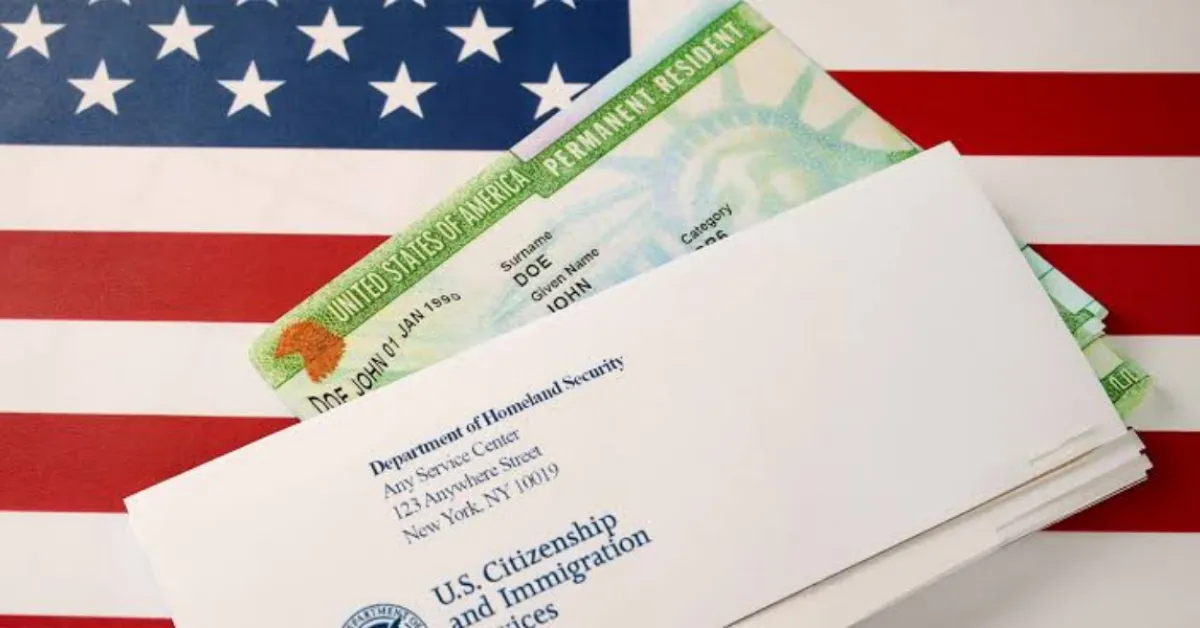
From 10 July, US immigration authorities will reject some green card applications that contain technical errors instead of allowing applicants to correct them.
Applicants whose cases are denied will lose their filing fees and must submit a new application. Until now, applications with clerical mistakes, such as missing signatures or incomplete forms, were often returned so applicants could correct the errors. Under a new regulation from the US Department of Homeland Security, however, US Citizenship and Immigration Services (USCIS) officers can deny these applications outright. A denial closes the case, requires a new application and means the original filing fees are not refunded.
The administration says the stricter approach is intended to prevent fraud and protect the integrity of the immigration system. Former Department of Homeland Security officials, however, say the policy could create significant difficulties for applicants and employers. Adam Klein said a denial may force applicants to restart the process, which could interrupt work authorisation and affect their immigration status.
The policy also gives USCIS officers wider discretion when assessing applications. Internal guidance instructs officers to consider each case individually, including factors beyond the basic eligibility requirements. As a result, applicants may face greater uncertainty even if they meet the formal criteria.
Former DHS official Morgan Bailey said the main concern is how the agency will use its expanded authority. Observers say the policy reflects a broader shift towards a more restrictive approach to immigration benefits.
The policy takes effect as visa availability becomes more limited. The July 2026 Visa Bulletin shows that several employment-based visa categories have reached their annual limits. EB-2 visas for Indian nationals and unreserved EB-5 visas will remain unavailable until the next fiscal year.
USCIS is also continuing to use the more restrictive “Final Action Dates” chart to determine which applicants can move forward with their cases. This has increased waiting times and delayed progress for many applicants.
The combined effect of these measures is a more demanding immigration process. Applicants must ensure that every part of their application is complete and accurate, as even minor mistakes may now result in a denial. Those without legal representation or sufficient financial resources may face greater challenges because restarting an application involves additional time and cost.